
🥭 Drupe Fruits: Types, Benefits, and Culinary Uses
What Are Drupe Fruits?
Drupe fruits, commonly known as stone fruits, are a class of fleshy fruits that have a unique internal structure. They are made up of three layers:
Exocarp: The outer skin
Mesocarp: The juicy flesh
Endocarp: The hard pit or stone that encloses the seed
The hard inner core protects the seed and plays a crucial role in the fruit’s survival and dispersal. Typically, drupe fruits contain a single seed, though some varieties may contain more due to species variations.
🍒 Common Types of Drupe Fruits
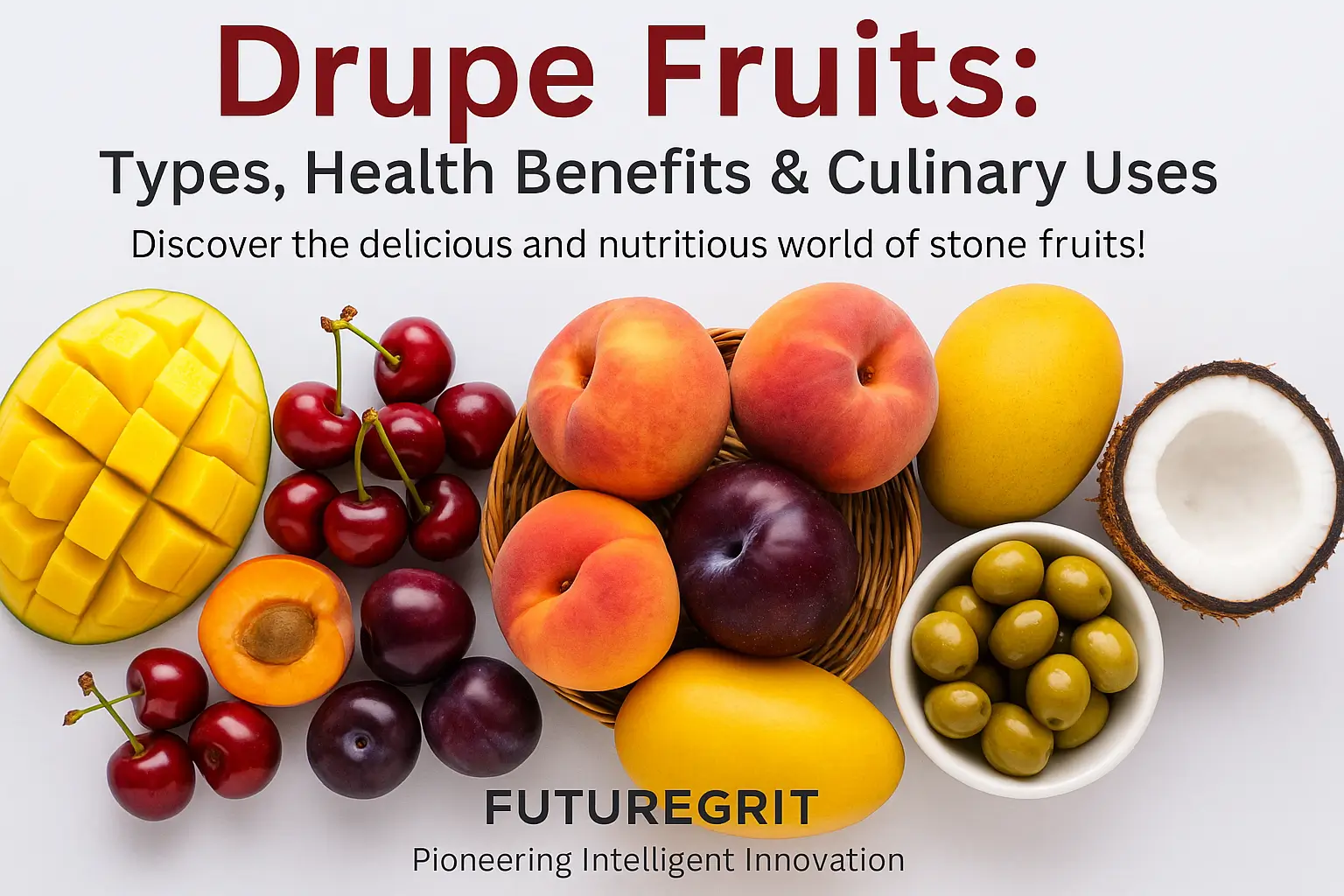
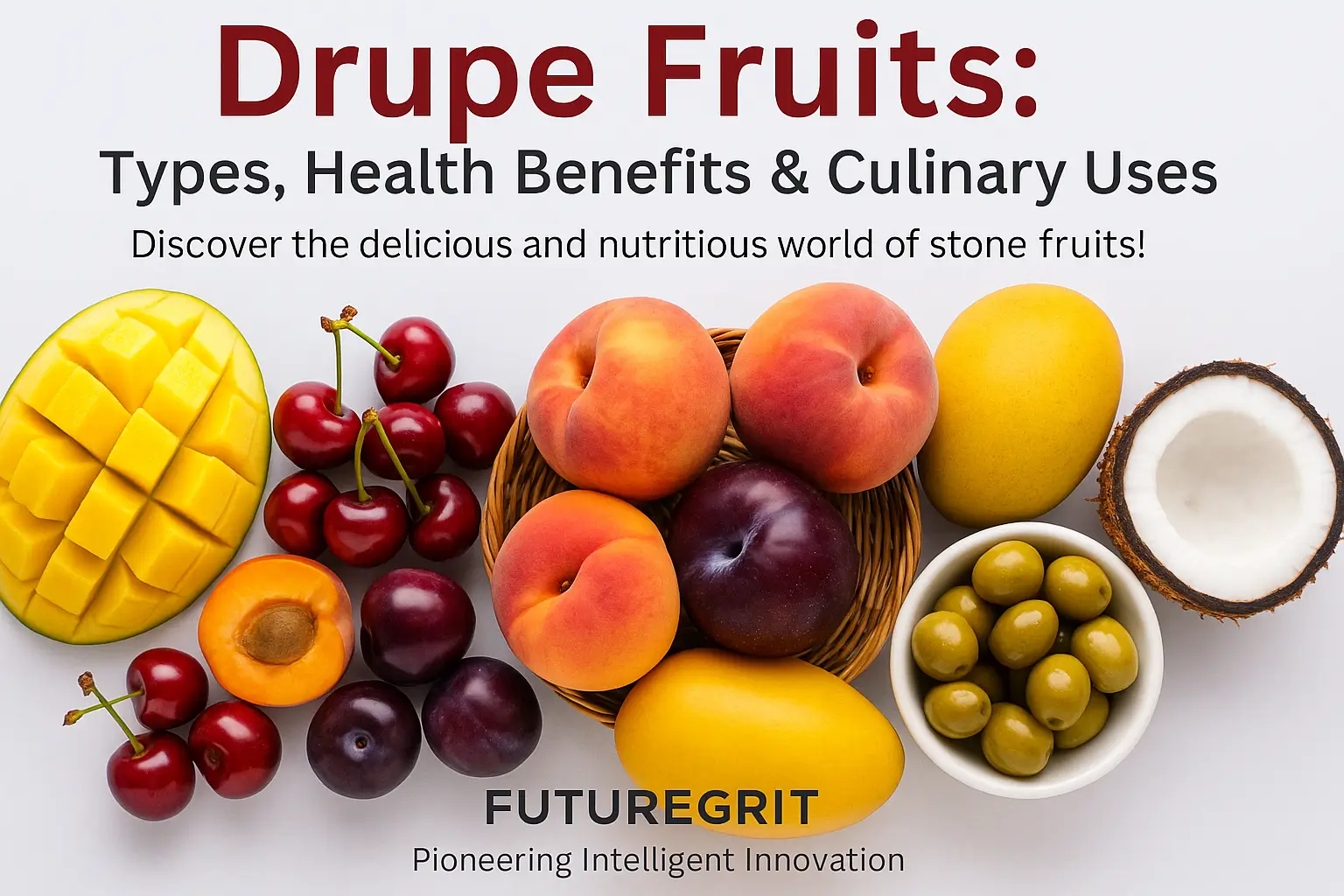
Some of the most popular drupe fruits include:
Cherries: Sweet or tart, great in desserts or eaten fresh.
Peaches: Rich in vitamins A and C, excellent for skin health.
Plums: Known for digestive benefits, especially when dried into prunes.
Apricots: Slightly tart with a golden hue, packed with antioxidants.
Olives: A source of heart-healthy monounsaturated fats.
Mangoes: Sweet, tropical fruits high in vitamins and antioxidants.
Coconuts: Unique for offering both water and meat, also used in skincare.
🌿 Botanical Structure of Drupe Fruits
Drupe fruits are botanically defined by their three-layered composition:
Exocarp: Thin, protective outer layer that varies in texture and color.
Mesocarp: The edible part, rich in moisture, sugars, and nutrients.
Endocarp: A hard or soft shell that encases the seed, varying across species.
This structure not only aids in reproduction but also contributes to the fruit’s unique texture, taste, and usability.
🥗 Nutritional Value of Drupe Fruits
Drupe fruits are nutrient-dense and low in calories, making them ideal for a healthy diet. Key nutritional highlights include:
Vitamins: High in vitamins A, C, and E which boost immunity and improve skin health.
Fiber: Promotes digestion and helps maintain gut health.
Antioxidants: Includes polyphenols and anthocyanins that combat inflammation and oxidative stress.
Healthy Fats: Especially present in olives and coconuts, beneficial for heart and brain health.
💪 Health Benefits of Drupe Fruits
Here are the top health benefits of regularly consuming drupe fruits:
Improves Digestion: High fiber content supports bowel regularity and gut microbiota.
Boosts Immunity: Rich in vitamin C and antioxidants that strengthen immune defense.
Supports Heart Health: Olives and potassium-rich plums help manage cholesterol and blood pressure.
Reduces Disease Risk: Antioxidants help lower the risk of chronic diseases like diabetes and cancer.
Hydration & Weight Control: Their high water content makes them ideal for weight management and hydration.
🍴 Culinary Uses of Drupe Fruits
Drupe fruits are highly versatile in both sweet and savory dishes. Here’s how they can be used in cooking:
Sweet Uses:
Peach cobbler
Cherry pies and tarts
Apricot jam or glaze
Savory Uses:
Plum sauces for meats
Peach or mango salsa
Olive tapenade for Mediterranean dishes
Pro Tip: Select ripe, slightly soft fruits for optimal flavor. Store at room temperature until ripe, then refrigerate to extend freshness.
🧾 Conclusion: Why You Should Add Drupe Fruits to Your Diet
Drupe fruits are a delicious, nutritious, and diverse group of fruits that offer remarkable health benefits. With options like cherries, mangoes, olives, and peaches, they cater to a wide range of tastes and dietary needs. Whether you’re enjoying them fresh, in desserts, or in savory dishes, their contribution to your overall well-being is significant.
Make drupe fruits a part of your daily routine—for better health, enhanced flavor in your meals, and a natural way to enjoy the goodness of nature.