
What Is an Anal Fistula? Complete Guide to Symptoms, Causes, Diagnosis & Treatment
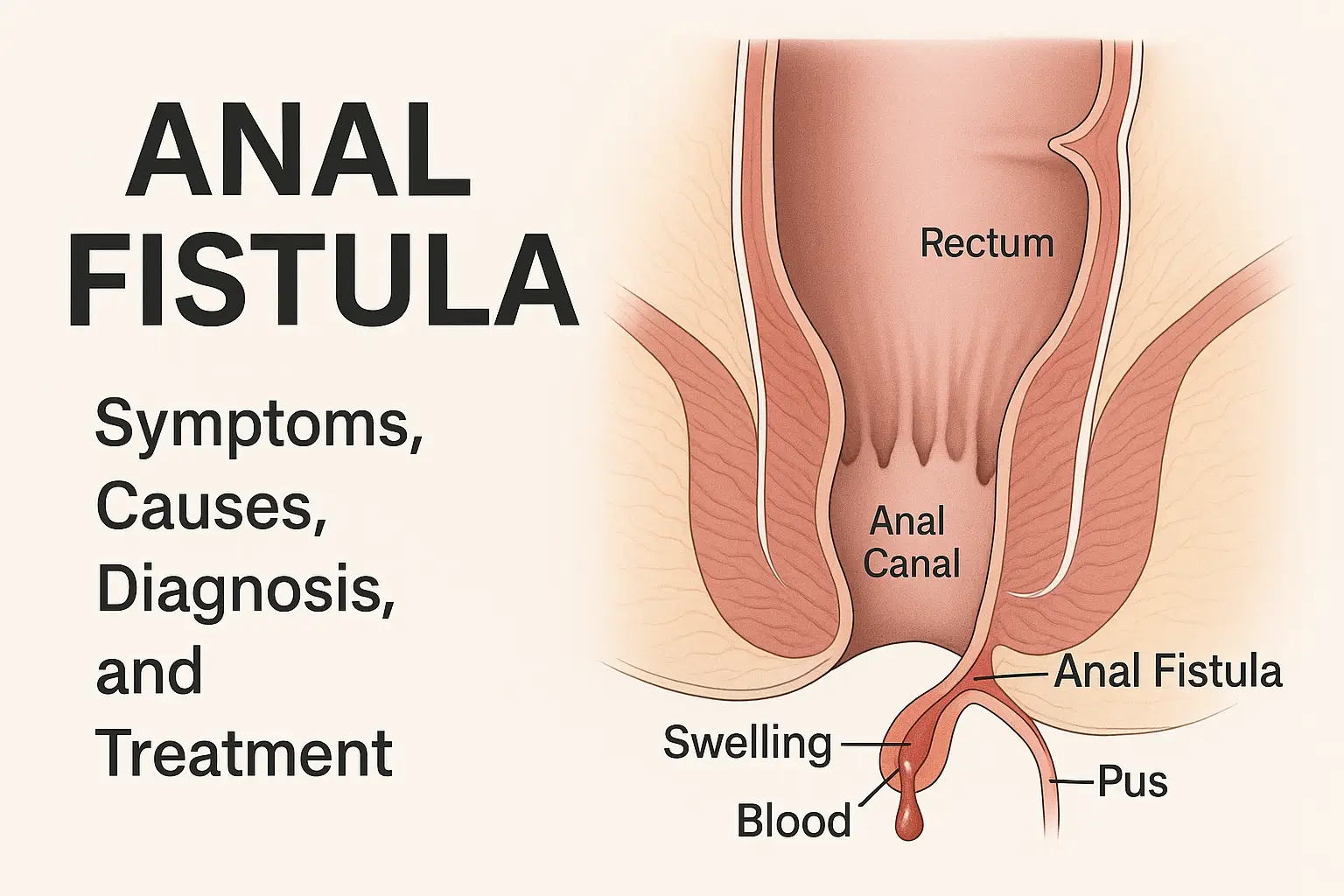
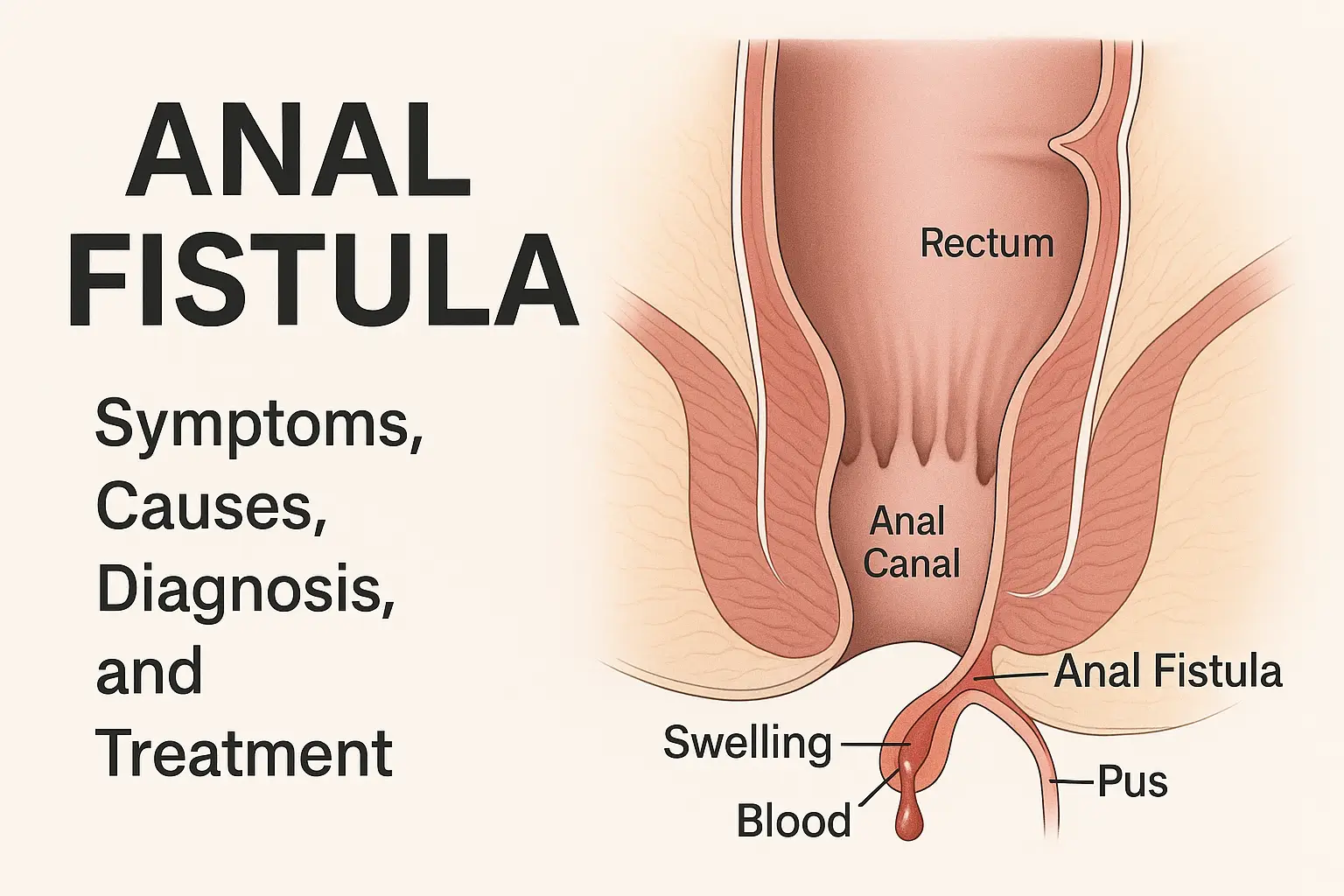
An anal fistula is a small tunnel that forms between the anal canal and the skin near the anus, often resulting from an infection or abscess. This condition can cause discomfort, pain, and recurring discharge, making early detection and treatment crucial.
🔍 Common Symptoms of Anal Fistula
The symptoms of an anal fistula can range from mild irritation to severe pain. Recognizing these signs early can help prevent complications:
- Pain during bowel movementsA persistent, sharp, or throbbing pain during or after defecation is one of the earliest indicators.Swelling or redness around the anusInflammation may develop near the anal opening, often causing discomfort during sitting or cleaning.Pus or bloody dischargeA noticeable foul-smelling discharge or spotting on underwear can suggest infection.Recurrent abscesses or infectionsChronic or recurring abscesses may signal an underlying fistula tract.Changes in bowel habitsIndividuals may experience constipation, urgency, or pain during bowel movements.
Advanced imaging tests
MRI: Offers detailed images of fistula tracts and nearby tissues.
Endoscopy: Allows doctors to examine the internal rectal and anal canals.
Antibiotics: Used to control infection but not to heal the fistula directly.
Sitz baths: Relieve pain and promote healing around the anus.
Maintain anal hygiene with warm water and gentle cleaning.
Avoid straining during bowel movements.
Attend follow-up appointments for proper healing assessment.
Report any new or returning symptoms to your doctor immediately.
These symptoms may mimic other conditions like hemorrhoids or anal fissures, so timely diagnosis is essential.
🔬 Main Causes of Anal Fistula
Anal fistulas can be caused by various underlying health issues or complications:
Inflammatory Bowel Disease (IBD)Conditions like Crohn’s disease or ulcerative colitis inflame the intestinal lining, increasing fistula risk.Anal abscessesInfected anal glands may develop pus-filled abscesses that evolve into fistulas if untreated.Infections or STIsSexually transmitted infections like HIV or gonorrhea may damage anal tissue and lead to fistula formation.Childbirth or surgical traumaInjury from rectal surgeries or difficult deliveries can create abnormal tracts.Cancer or tumors (rare)In rare cases, anal or rectal cancers can cause fistulas as they erode surrounding tissues.
Identifying the root cause is critical for selecting the right treatment strategy.
🧪How Is an Anal Fistula Diagnosed?
Diagnosis typically involves:
Medical history reviewYour doctor will ask about symptoms, any recent infections, or surgeries, and past conditions like IBD.Physical and digital rectal examinationA thorough inspection of the anal area for visible swelling, discharge, or pain points helps locate the fistula opening.
These methods ensure proper mapping of the fistula for effective treatment.
🩺 Effective Treatment Options for Anal Fistula
Treatment depends on the complexity of the fistula and the patient’s overall health.
✅ 1. Conservative Care
✅ 2. Surgical Interventions
FistulotomyThe most common procedure where the fistula is opened and flattened to allow natural healing. Best for simple cases.Seton PlacementA thin surgical thread is inserted to gradually open and drain the fistula, useful for complex or high fistulas.Advancement Flap SurgeryHealthy tissue is used to close the internal opening of the fistula. Ideal for complex or recurring cases.
Each method has pros and cons, including possible side effects like temporary pain or in rare cases, incontinence.
🩹 Post-Treatment Care & Recovery Tips
📌 Final Thoughts
An anal fistula can significantly impact daily comfort and health if not addressed promptly. Recognizing the early symptoms, understanding the causes, and exploring the available treatment options can help you manage the condition effectively. Always consult a healthcare professional for diagnosis and personalized treatment.