
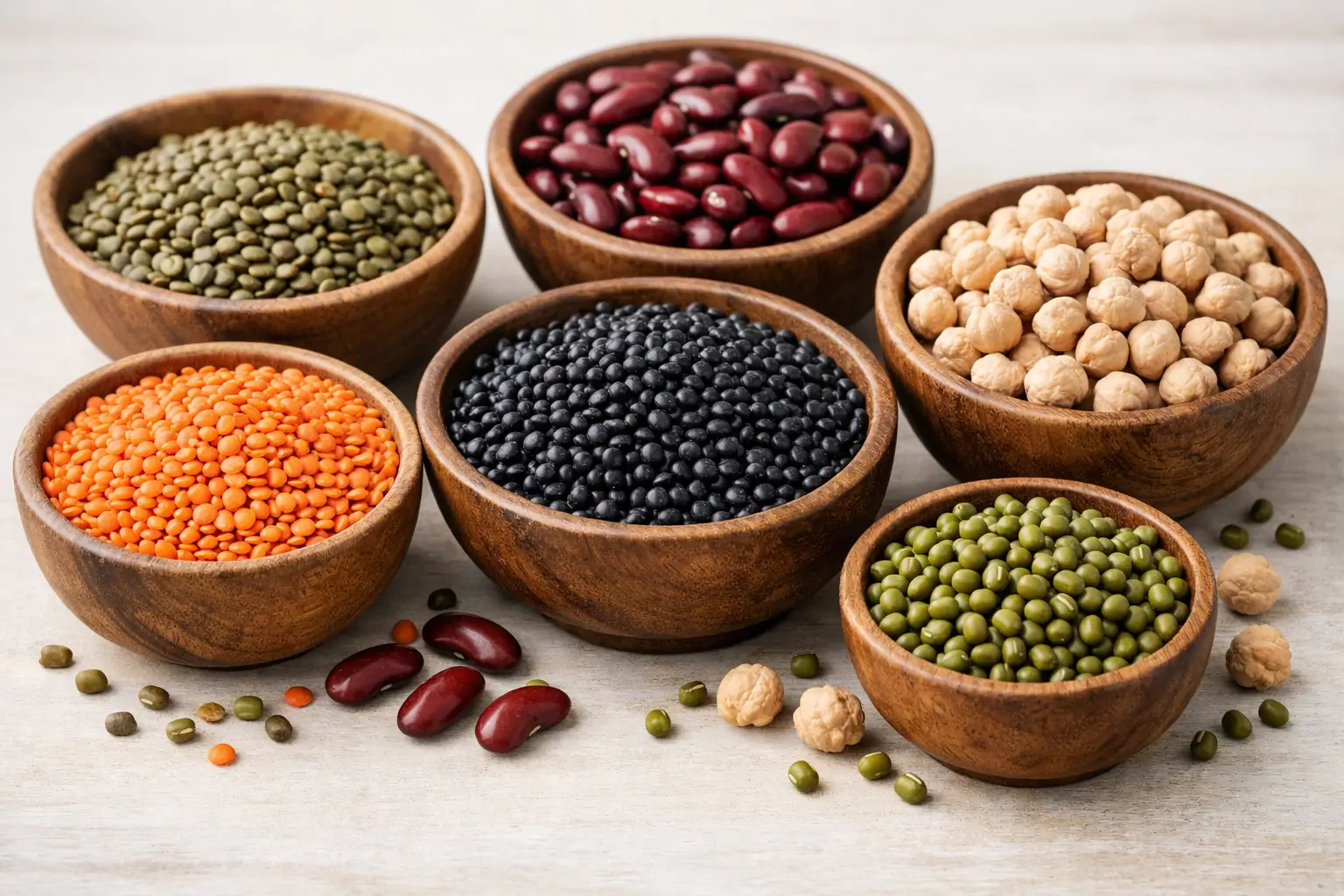
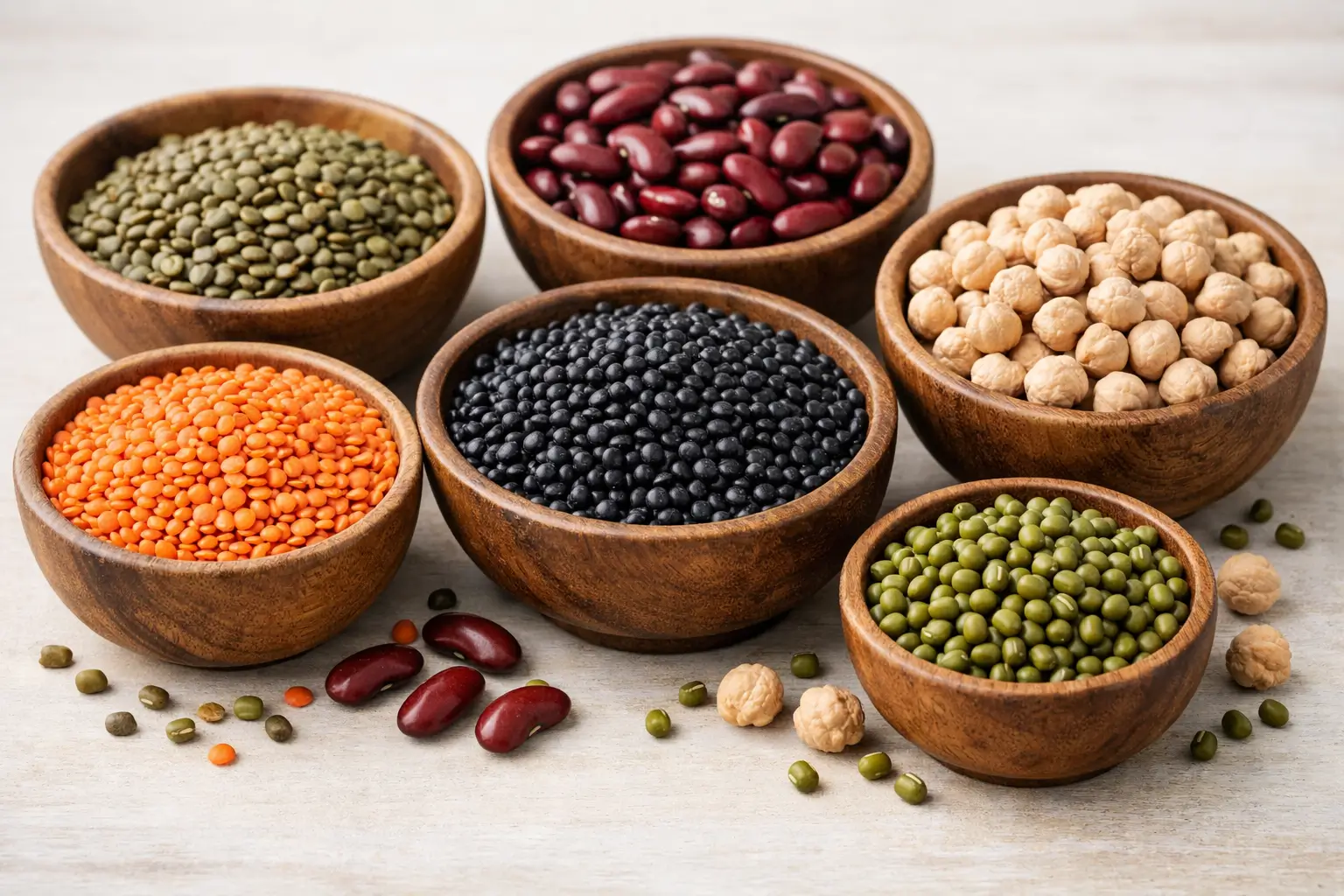
Introduction to Lentils and Legumes
Lentils and legumes are among the oldest cultivated foods in human history, belonging to the Fabaceae family. These nutrient-dense plant foods have been a dietary staple across civilizations due to their long shelf life, adaptability, affordability, and exceptional nutrition.
Lentils are small, lens-shaped seeds, while legumes include a broader group such as beans, peas, chickpeas, and peanuts. Together, they form the backbone of many traditional diets—from Indian dals and Mediterranean chickpea dishes to Latin American bean stews.
Beyond culinary versatility, lentils and legumes are recognized globally as powerful plant-based protein sources that support heart health, digestion, blood sugar balance, and sustainable eating.
Nutritional Benefits of Lentils and Legumes
Lentils and legumes are often labeled as nutritional superfoods, and for good reason.
Key Health Benefits
High in Plant-Based Protein: Essential for vegetarians and vegans
Rich in Dietary Fiber: Improves digestion and gut health
Low in Fat & Cholesterol-Free: Supports heart health
Slow-Digesting Carbohydrates: Helps stabilize blood sugar
Loaded with Antioxidants: Reduces inflammation and chronic disease risk
Their regular consumption is associated with a lower risk of diabetes, obesity, and cardiovascular disease, according to nutrition research published by World Health Organization and Harvard T.H. Chan School of Public Health.
Common Types of Lentils and Their Uses
1. Red Lentils
Cook quickly and become creamy
Ideal for soups, curries, and Indian dals
High in folate, protein, and fiber
2. Green Lentils
Firm texture with a mild peppery taste
Best for salads and side dishes
Rich in iron and complex carbohydrates
3. Black (Beluga) Lentils
Shiny, small, and nutrient-dense
High in antioxidants and iron
Excellent for gourmet and protein-rich meals
4. Brown Lentils
Most common and versatile variety
Suitable for soups, veggie burgers, and stews
Packed with protein, folate, and manganese
Popular Types of Legumes
Legumes go far beyond lentils and include a wide range of nutrient-rich foods.
Beans
Kidney Beans: Support heart and muscle function
Black Beans: High in antioxidants and fiber
Pinto Beans: Creamy texture, excellent for Mexican dishes
Chickpeas (Garbanzo Beans)
Rich in B vitamins, zinc, and protein
Used in hummus, curries, and salads
Peas
High in vitamin K and plant protein
Support bone health and immunity
Peanuts
Technically legumes
Rich in healthy fats, vitamin E, and niacin
Lesser-Known but Powerful Lentils and Legumes
Adzuki Beans: Antioxidant-rich, popular in East Asian cuisine
Mung Beans: Aid digestion and blood sugar control
Lupins: Extremely high in protein and low in starch
Pigeon Peas (Toor Dal): Staple in Indian cooking, rich in potassium
Including diverse legumes improves nutrient diversity and gut health.
Vitamins and Minerals in Lentils and Legumes
Lentils and legumes are micronutrient powerhouses.
Nutrient Benefit
Iron Oxygen transport & energy production
Folate (B9) DNA synthesis & pregnancy health
Magnesium Muscle, nerve & blood sugar control
Zinc Immunity & wound healing
B-Complex Brain and metabolic health
One cup of cooked lentils provides nearly 90% of daily folate needs and over 35% of iron requirements.
How to Add Lentils and Legumes to Your Daily Diet
Easy Preparation Tips
Soaking: Improves digestion and reduces cooking time
Sprouting: Enhances nutrient absorption
Slow Cooking: Improves flavor and texture
Meal Ideas
Breakfast: Lentil porridge or bean vegetable scramble
Lunch: Lentil salad or chickpea Buddha bowl
Dinner: Dal, lentil pasta sauce, or bean curry
Snacks: Roasted chickpeas or lentil hummus
These meals provide long-lasting energy, better satiety, and balanced nutrition.
Environmental Benefits of Lentils and Legumes
Lentils and legumes:
Require less water than animal protein
Improve soil fertility through nitrogen fixation
Produce a lower carbon footprint
This makes them a smart choice for eco-friendly and sustainable diets.