
Reza Pahlavi Return to Iran: Monarchy Restoration in 2026 War?
Will Reza Pahlavi return restore monarchy if he returns to power in Iran 2026 war? Exiled prince eyes transitional leader role post-Khamenei, with 33% Reza Pahlavi support polls favoring democracy referendum over kingship.
US-Israel-Iran War: Detailed Timeline Up to March 6, 2026
The conflict erupted on February 28, 2026, when the US and Israel launched Operation Epic Fury and Roaring Lion—nearly 900 airstrikes in the first 12 hours targeting Iran's nuclear sites, missile arsenals, air defenses, and leadership. Supreme Leader Ali Khamenei was killed, alongside dozens of officials, marking a regime-change push under President Trump.
February 28: Opening Strikes and Civilian Tragedy
US B-2 bombers and Israeli F-35s hit Natanz, Fordow, and IRGC bases. A precision strike near Minab's IRGC naval complex destroyed the Shajareh Tayyebeh girls' school, killing 168-180 children (aged 7-12) and staff—denied as deliberate by the Pentagon but condemned by the UN as a potential war crime. Iran retaliated with Operation True Promise IV: 300+ missiles and drones at Israel, US bases in Qatar and Bahrain, and Gulf allies.
March 1: Gulf Escalation
IRGC vessels attacked shipping in Hormuz; US-Israel hit Tehran hospitals, IRIB HQ, and Isfahan sites. Hezbollah's intelligence chief died in Beirut strikes. Iran struck US embassy in Kuwait and Bahrain port; explosions rocked Jerusalem, Dubai, Abu Dhabi, Doha.
March 2: Hormuz Blockade
Iran fully blocked the Strait of Hormuz, halting Qatar's LNG. Hezbollah barrages hit Israel; Iranian missiles targeted UAE and Saudi refineries. Oil surged 10%+.
March 3-5: Air and Proxy Wars Intensify
Israel invaded southern Lebanon, degrading Hezbollah; US claimed 3,000 targets hit, 43 Iranian warships sunk. Iran mined Hormuz, struck Halliburton in Basra, and sank a US destroyer off Oman (28 sailors killed). Casualties: Iran 1,000+, Lebanon 570, US/Israel minimal.
March 6: No End in Sight
Trump declared "no time limits," confident in "BIG victory." Israel hammered Tehran and Hezbollah in Beirut. Iran warned Europe of retaliation; Dubai airport hit by drones. Total Iranian deaths exceeded 1,300.
Developments March 7-11, 2026: Intensifying Stalemate
March 7: US Milestone, Iranian Defiance
US Central Command announced strikes on 3,000+ Iranian targets, destroying 43 warships since Day 1. Trump demanded unconditional surrender via Truth Social, vowing to "end the regime's terror." Iran’s deputy FM Saeed Khatibzadeh labeled Europe "legitimate targets" if aiding US-Israel, launching fresh barrages on Qatar, Kuwait, Saudi Arabia, and UAE—hitting Aramco facilities and causing 15 civilian deaths.
Oil crisis deepened: Hormuz mines sank two tankers; global release of 400 million barrels approved to cap prices at $90/bbl. India's rupee fell 5%, stocks dipped 3% on import fears. Protests swelled in Tehran post-Minab school strike, with crowds chanting for nuclear weapons; unverified IRGC leaks claimed 90% enriched uranium stocks for 10-12 bombs "in days."
Lebanon front: IDF ground push killed 100+ Hezbollah fighters; Nasrallah vowed "river of blood." Casualties mounted: Iran 1,450 dead, Lebanon 620.
March 8: Naval Clashes Escalate
CENTCOM destroyed 16 Iranian minelayers near Hormuz, but IRGC drones hit USS Eisenhower carrier group—3 sailors wounded, minor damage. Israel struck Tehran suburbs, claiming IRBM factories destroyed; Iran retaliated with hypersonic Fattah missiles at Dimona reactor (intercepted).
Economic ripple: Europe released SPRs; US gas averaged $3.50/gal. China mediated Oman talks—failed. Trump approval dipped to 41% on war handling. Iranian Pezeshkian offered neighbor truce unless attacked from there, but Dubai airport drone strike killed 4.
Proxy flare-ups: Houthis sank Greek tanker; US Navy responded with Tomahawks. Total warships lost: Iran 50+, US 1 damaged.
March 9: Air Superiority Push
US F-22s achieved "virtual control" over Iranian airspace; 500 sorties hit Quds Force HQs. Israel targeted Bushehr nuclear plant—radiation leak reported, 20 dead. Iran claimed 650 US casualties (disputed); launched 200 drones at Bahrain, intercepted 95%.
Global fallout: UNSC emergency session; Russia/China vetoed sanctions. Oil hit $92; India rationed diesel for trucks. Iranian missile stocks dwindled to ~1,000 per NDTV intel. Street protests in Isfahan demanded "bomb now," echoing Minab grief—state funerals for 200 school victims broadcast nationwide.
US domestic: Protests in NYC, DC against "Trump's war"; polls showed 55% opposition.
March 10: Hormuz Mine War, Tehran Waves
UK maritime warned of 3 ships hit near Hormuz; Iran mined aggressively—US cleared paths but Prima tanker exploded (22 crew lost). Israel launched "additional wave" on Tehran: IRIB silenced again, 50+ regime officials killed.
Iran's largest op yet: 400 missiles/drones at Tel Aviv, US Qatar base—minimal damage, 5 Israeli dead. CENTCOM: "Iran air force decimated." Lebanon invasion deepened; Hezbollah lost 800 fighters.
Economy: Dow fell 1,200 pts; global SPR release peaked. India GDP forecast cut 0.5%; rupee at 88/USD. Trump addressed nation: "Unlimited ammo, victory near."
March 11: Stalemate Signals
US-Israel hit 4,000 targets; Iran down to 800 missiles. IDF degraded western militia assets; Hezbollah Beirut HQ razed. Iran struck Halliburton Basra again; Dubai refinery fire killed 10.
Death toll: Iran 1,800+, Lebanon 700+, US 15, Israel 25. Oil stabilized at $88 amid releases, but Hormuz 80% blocked. Oman talks resumed—Tehran floated ceasefire if strikes halt.
Protests intensified: Tehran rallies for nukes drew 100,000; Reza Pahlavi (exile) eyed return. Trump: "Surrender or more pain." Analysts predict attrition war, risking $100 oil if Hormuz fully closes.
Reza Pahlavi role and potential return to Iran March 2026
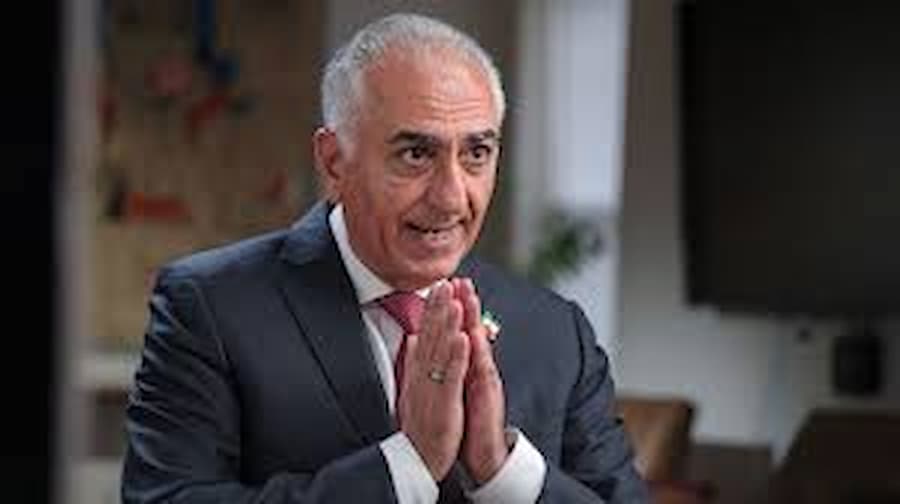
Reza Pahlavi, the exiled Crown Prince and son of the last Shah Mohammad Reza Pahlavi, has emerged as a key opposition figure positioning himself for a potential return to lead a post-Islamic Republic Iran amid the March 2026 war chaos following Khamenei's assassination. Living in the US for decades, he advocates secular democracy and has urged US/Israeli strikes without negotiation, now pitching a transitional government role.
Current Role in Crisis
On February 28, 2026—Day 1 of strikes—Pahlavi declared the "end of the Islamic Republic" after Khamenei's death, calling for mass street uprisings and rejecting any successor as illegitimate. In Fox News and Washington Post interviews, he thanked Trump for the attacks, framed them as "humanitarian" to save protesters, and outlined a 100-day transition: civilian council, free elections, no foreign troops needed. He's rallied diaspora networks, with his X posts amplified on Farsi channels, urging "widespread presence" against the regime.
Potential Return Prospects
Pahlavi states he's "ready to return as soon as possible, before or after collapse," to "fight the final battle" among compatriots—his legitimacy from Iranians, not outsiders. War-weakened IRGC (heavy losses) and protests (e.g., Tehran nukes chants post-Minab strike) create openings, but risks abound: regime hardliners label him a US puppet; public nostalgia for Shah era mixes with republican sentiments.
US-Israel tacitly back him as stable alternative to chaos; Trump allies eye his pro-Western stance. Odds: Analysts give 20-30% chance of interim role if regime fragments by summer, but full monarchy restoration unlikely—more transitional presidency leading to vote. As of March 11, no confirmed plans; he's coordinating with opposition coalitions abroad.
Public support levels for Reza Pahlavi among Iranians 2026
Public support for Reza Pahlavi among Iranians remains significant but divided, with independent polls showing him as the top choice for a transitional leader at around 20-33% favorability, though lacking majority backing amid war chaos in March 2026. Diaspora and urban youth drive his appeal, fueled by nostalgia for the Shah era and anti-regime sentiment post-Khamenei, but ethnic minorities and republicans remain skeptical.
Key Poll Data
Reliable surveys (e.g., Gamaan, pre-war) indicate steady but polarized views, with recent war protests boosting his visibility via slogans like "Reza Shah, ruh-e ma" (Reza Shah, our soul).
Poll/Source (Date) Support Level Notes
Gamaan (2022-2025) 33% strong support, 33% oppose Consistent; undecided ~34%
GAMAAN Transitional (2022) 32.8% (top among 34 candidates) For post-regime council
Polymarket Prediction (Mar 10) 17% chance leads Iran 2026 Market odds amid war
Factors Influencing Support
War has amplified his profile: Post-strikes, Farsi social media and protests show rising chants, winning undecideds frustrated by regime losses (e.g., Minab school outrage). Urban Persians (60%+ in Tehran polls) favor his secular democracy pitch; diaspora (millions abroad) rallies behind.
Opposition: Kurds, Baluch, Azeris less supportive (~20% lower); many see him as elitist exile tied to US-Israel strikes. No post-war nationwide polls due to chaos, but anecdotal street views (e.g., Rochester Iranian diaspora) criticize as "not automatic ruler." Overall, regime change favored (80%+), but Pahlavi trails generic "democracy" by 10-20%.
Will Reza Pahlavi restore monarchy if he returns to power
No, Reza Pahlavi has repeatedly stated he will not restore the monarchy if he returns to power. He emphasizes a democratic transition via national referendum where Iranians decide between republic or constitutional monarchy, explicitly rejecting absolute or hereditary rule.
His Stated Position
Pahlavi advocates a 100-day interim civilian council leading to free elections, secular democracy, and human rights—letting people choose governance without imposing monarchy. In interviews post-Khamenei assassination and amid 2026 war strikes, he told Fox News and The Guardian: "This is not about restoring the past... It's a people-based system grounded in free choice," distancing from his father's authoritarian model.
Why Not Monarchy?
Public division: While 33% support him personally (Gamaan polls), many favor republic over kingship; ethnic minorities distrust Persian-centric dynasty.
Strategic pivot: Pre-1979 Shah nostalgia exists (50-70% per some estimates), but he alienates monarchists by prioritizing vote; aims to unify fragmented opposition.
War context: Amid US-Israel strikes weakening IRGC, his pitch focuses on stability via referendum, not crown—US/Israel back this over chaos.
A constitutional monarchy remains possible if referendum-approved (20-30% odds per analysts), but Pahlavi commits to abiding by results, positioning as transitional facilitator, not king. Critics call it opportunism; supporters see pragmatic leadership.
Will iran now plan for underwater naval mines to target oil tankers
Yes, Iran has already begun deploying underwater naval mines in the Strait of Hormuz to target oil tankers and disrupt global shipping, and they are likely planning further escalation. As of March 10-11, 2026, US intelligence confirmed Iran laid dozens of mines using small boats (2-3 per vessel), with capacity for hundreds more despite US strikes sinking 16 minelayers.
Current Status and Intent
IRGC naval forces initiated mining post-February 28 blockade declaration, aiming to create barriers across the 21-mile-wide chokepoint (20% global oil). Explosions damaged tankers like Thailand-flagged Mayuree Naree (20 rescued, 3 missing) and bulk carriers off Abu Dhabi. Trump demanded immediate removal via Truth Social; US cleared paths with P-8A Poseidon drones and Avenger-class ships, but Iran retains 80-90% mine-laying assets.
Future Plans Likely
With warships depleted (50+ sunk), asymmetric mine warfare aligns with doctrine—cheap denial vs. expensive clearance. Analysts expect intensified underwater ops if airstrikes continue, risking $100+/bbl oil and weeks-long disruptions despite SPR releases. No formal announcement post-strikes, but IRGC threats of "catastrophic consequences" signal persistence.
Will Kim jong comes to support iran. Which Other Countries Supporting Iran.
North Korea under Kim Jong Un will not militarily intervene to support Iran but continues strong rhetorical backing and missile signaling. KCNA statements since March 1, 2026, condemn US-Israel strikes as "illegal aggression," respect Iran's leadership transition to Mojtaba Khamenei, and warn of retaliation if North Korean citizens in Iran are harmed—tested cruise missiles from destroyer Choe Hyon twice last week as a show of force. Analysts assess Pyongyang prioritizes its own nuclear posture lessons (Iran's vulnerability justifies DPRK arsenal) over direct aid, limited by distance and Russia ties.
Other Countries Supporting Iran
Russia and China provide the core backing, with proxies and rhetoric from others; no major combatants beyond stated positions as of March 12.
Country Support Type
Russia Arms (S-400 deliveries pre-war), UN vetoes, intel sharing; Wagner remnants aid IRGC
China Diplomatic (condemns strikes), oil buys despite sanctions, Oman mediation
North Korea Rhetoric, potential missile tech; no troops
Syria Basing for Iranian ops; Assad vows solidarity
Houthis (Yemen) Red Sea attacks on shipping; Iranian drones
Hezbollah (Lebanon) Frontline fighter (800+ killed); missile barrages
Hamas/PIJ (Gaza) Limited rockets; propaganda
Neutral/Opportunistic: Pakistan hedges (condemns violence but buys cheap Iranian oil); Venezuela/Cuba offer symbolic statements. Sunni states (Saudi, UAE) align vs. Iran despite US strikes. Escalation risks drawing Russia deeper if Hormuz fully closes.
Will Pakistan or India back Iran militarily
No, neither Pakistan nor India will back Iran militarily in the ongoing US-Israel-Iran war. Both nations are maintaining strict neutrality due to economic dependencies on Gulf oil, strategic alignments, and domestic risks, with Pakistan leaning toward Saudi Arabia via a mutual defense pact and India prioritizing ties with Israel and the US.
Pakistan's Position
Pakistan condemns US-Israel strikes diplomatically but avoids military aid to Iran, bound by its 2025 Strategic Mutual Defense Agreement with Saudi Arabia—invoked after Iranian missiles hit Aramco sites. Islamabad warned Tehran against using Pakistani soil and denied nuclear support claims; analysts see covert air defense help to Riyadh as the limit, not anti-Iran ops. Fuel rationing and economic crisis from Hormuz blockade underscore non-involvement.
India's Position
India faces severe oil shocks (60% imports via Hormuz) but stays neutral, criticizing violence while buying discounted Iranian crude quietly—relations cooled by Chabahar port delays and pro-Israel stance. No troops or arms to Iran; Modi govt focuses on SPR releases, rupee defense, and Israel defense ties (drones, missiles shared). Pakistan's warnings of "India-Israel-Afghan axis" targeting nukes are dismissed as paranoia.
Sources:- aljazeera, middleeasteye, wikipedia, thediplomat, bloomberg, cnn, reuters, theguardian, politico, nationalinterest, theconversation, understandingwar, opindia, youtube, vajiramandravi,
MicroNews © 2025
MicroNews empowers the generation of tomorrow for a brighter future and hope for every individual.
Thanks For Touch with us
We care about your data in our privacy policy.
Popular Post
Top 10 Calcium-Rich Vegetables for Strong Bones & Better Health
Patala Garuda (Rauvolfia serpentina): Health Benefits, Ayurvedic Uses
Ganga Siuli (Parijata Tree): Benefits, Uses, and Medicinal Properties
Freelancing Explained: How to Start, Earn, and Succeed as a Freelancer
Turmeric Benefits: Uses, Nutrition, Ayurveda Importance & Side Effects
Science of Longevity: New Research Reveals How Diet May Shape Lifespan