
Snoring Problem: Causes, Remedies & Prevention Tips
Do You Know Snoring is a common sleep problem. Learn its causes, effective remedies, prevention tips, and when to seek medical help for better sleep health.
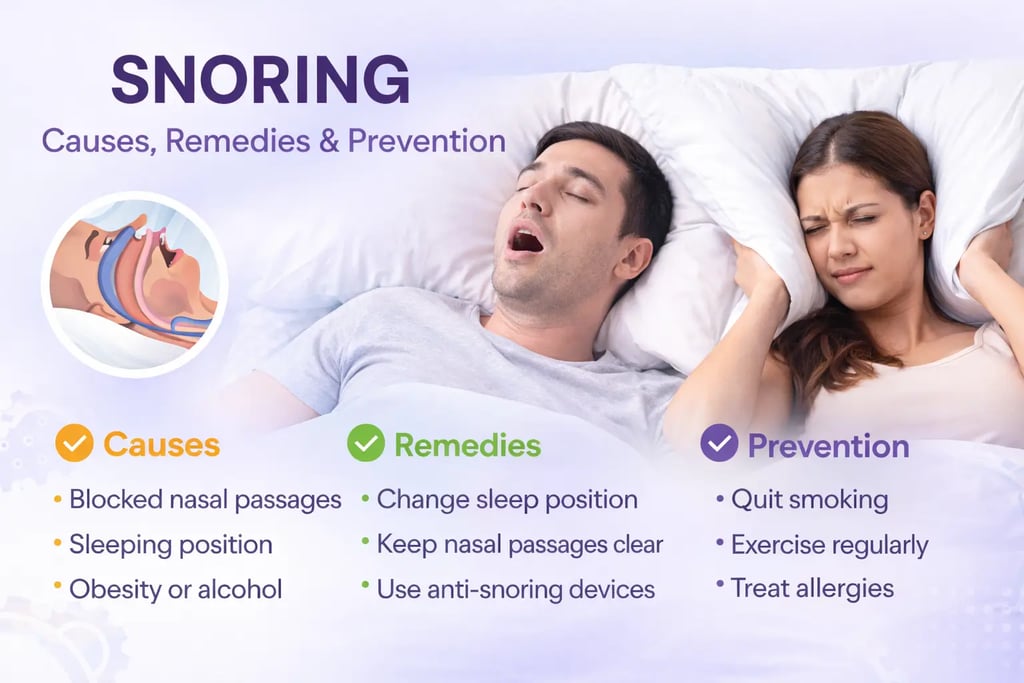
Snoring: Causes, Remedies & Prevention – A Complete Guide to Better Sleep
Snoring is a widespread sleep issue that affects people of all ages and lifestyles. While it is often joked about or ignored, snoring can significantly impact sleep quality, personal relationships, and overall health. Occasional snoring may not be a cause for concern, but chronic or loud snoring can signal underlying medical conditions that require attention. This comprehensive guide explores the causes of snoring, effective remedies, and practical prevention strategies to help you and your loved ones enjoy restful, uninterrupted sleep.
What Is Snoring and Why Does It Happen?
Snoring occurs when airflow is partially blocked as air moves through the mouth and nose during sleep. When the muscles in the throat relax, the soft tissues vibrate as air passes through, producing the snoring sound. The intensity of snoring can vary from mild breathing noises to loud, disruptive sounds that disturb both the sleeper and those around them.
Several factors influence the severity of snoring, including anatomy, sleeping habits, lifestyle choices, and overall health. Understanding how snoring develops is the first step toward managing and preventing it effectively.
Types of Snoring
Not all snoring is the same. Identifying the type of snoring can help determine its underlying cause and appropriate treatment.
1. Nasal Snoring
Caused by blocked or narrow nasal passages due to allergies, sinus infections, or structural issues like a deviated septum.
2. Mouth Snoring
Occurs when sleeping with an open mouth, often due to nasal congestion or relaxed jaw muscles.
3. Tongue-Based Snoring
Happens when the tongue falls back into the throat during sleep, commonly seen in people who sleep on their backs.
4. Snoring Linked to Sleep Apnea
This type is loud, chronic, and accompanied by pauses in breathing. It is a serious condition that requires medical evaluation.
Common Causes of Snoring
1. Nasal Congestion and Sinus Problems
Blocked nasal passages from colds, flu, allergies, or sinus infections restrict airflow, forcing a person to breathe through the mouth and increasing snoring.
2. Sleeping on the Back
Back sleeping causes gravity to pull the tongue and throat tissues backward, narrowing the airway and increasing vibration.
3. Obesity and Excess Weight
Extra fat around the neck and throat puts pressure on the airway, reducing airflow and increasing the likelihood of snoring.
4. Alcohol Consumption
Alcohol relaxes throat muscles excessively, making airway collapse more likely during sleep.
5. Smoking
Smoking irritates and inflames the airways, increases mucus production, and damages throat tissues, all of which contribute to snoring.
6. Ageing
As people age, throat muscles lose tone and strength, making airway obstruction more common during sleep.
7. Structural Abnormalities
Conditions like enlarged tonsils, adenoids, or a long soft palate can physically narrow the airway.
8. Sleep Deprivation
Lack of sleep causes excessive muscle relaxation, which can worsen snoring.
9. Medical Conditions
Hypothyroidism, nasal polyps, and obstructive sleep apnea are medical conditions commonly linked to snoring.
Health Risks Associated with Chronic Snoring
According to the clevelandclinic while occasional snoring may be harmless, persistent snoring can lead to serious health problems:
Poor sleep quality and chronic fatigue
Daytime sleepiness and reduced concentration
Increased risk of high blood pressure
Heart disease and stroke
Type 2 diabetes
Mood disturbances and irritability
In cases related to sleep apnea, snoring can be life-threatening if left untreated.
Effective Remedies for Snoring
1. Change Sleeping Position
Sleeping on your side instead of your back helps keep airways open. Using body pillows or anti-snoring pillows can help maintain side-sleeping positions.
2. Maintain a Healthy Weight
Even modest weight loss can reduce fatty tissue around the neck and significantly improve breathing during sleep.
3. Clear Nasal Passages
Use saline nasal sprays
Take steam inhalation
Use a humidifier in dry climates
Treat allergies with doctor-recommended medications
4. Avoid Alcohol and Sedatives
Refrain from alcohol consumption at least 3–4 hours before bedtime to prevent excessive throat muscle relaxation.
5. Quit Smoking
Stopping smoking reduces airway inflammation, improves lung health, and decreases snoring frequency.
6. Stay Properly Hydrated
Dehydration thickens nasal secretions, making airways sticky and increasing snoring. Drinking enough water keeps tissues lubricated.
7. Practice Throat and Tongue Exercises
Specific mouth and throat exercises can strengthen muscles, reducing vibration during sleep when practiced regularly.
8. Use Anti-Snoring Devices
Nasal strips and dilators to widen nasal passages
Mouthguards (MADs) to keep the jaw in a forward position
Adjustable beds to elevate the head
Home Remedies for Snoring
Many people find relief through simple home-based solutions:
Drinking warm turmeric milk before bedtime
Consuming honey to soothe throat tissues
Practicing yoga and breathing exercises
Maintaining a regular sleep schedule
Avoiding heavy or spicy meals before sleep
These remedies may not cure severe snoring but can reduce its intensity.
Prevention Tips for Long-Term Snoring Control
Preventing snoring often requires consistent lifestyle changes rather than quick fixes.
Maintain a consistent sleep routine
Exercise regularly to improve muscle tone
Keep bedrooms dust-free to reduce allergies
Wash bed linens frequently
Elevate the head of the bed slightly
Treat underlying health conditions promptly
When Should You See a Doctor?
Medical attention is necessary if snoring is:
Loud and persistent
Accompanied by breathing pauses or choking
Causing excessive daytime sleepiness
Associated with headaches or memory issues
Linked to high blood pressure or heart problems
A sleep study may be recommended to diagnose sleep apnea or other disorders.
Medical Treatments for Severe Snoring
For chronic cases, doctors may recommend:
Continuous Positive Airway Pressure (CPAP) therapy
Oral appliance therapy
Surgery to remove or tighten excess tissue
Treatment for nasal obstructions
These treatments are typically reserved for severe or medically significant cases.
Conclusion
Snoring is a common yet often underestimated sleep problem. While occasional snoring may not be harmful, persistent snoring can affect physical health, emotional well-being, and relationships. The good news is that most cases of snoring can be improved or prevented through lifestyle changes, proper sleep habits, and targeted remedies. If snoring persists despite these measures, seeking medical advice is crucial for long-term health and better sleep quality.
A good night’s sleep is essential for overall wellness—and addressing snoring is a powerful step toward achieving it.
MicroNews © 2025
MicroNews empowers the generation of tomorrow for a brighter future and hope for every individual.
Thanks For Touch with us
We care about your data in our privacy policy.
Popular Post
Top 10 Calcium-Rich Vegetables for Strong Bones & Better Health
Patala Garuda (Rauvolfia serpentina): Health Benefits, Ayurvedic Uses
Ganga Siuli (Parijata Tree): Benefits, Uses, and Medicinal Properties
Freelancing Explained: How to Start, Earn, and Succeed as a Freelancer
Turmeric Benefits: Uses, Nutrition, Ayurveda Importance & Side Effects
Science of Longevity: New Research Reveals How Diet May Shape Lifespan