
What is Sperm? Structure, Production & Factors Affecting Male Fertility
Discover what sperm is, how sperm is produced through spermatogenesis, and the key factors that affect sperm quality and male fertility. Learn about sperm structure, motility, and lifestyle influences on reproductive health.
What is Sperm?
Sperm, also known as spermatozoa, are the male reproductive cells vital for human reproduction. Produced in the testes, sperm cells play a crucial role in fertilization by combining with the female egg (ovum) to form a zygote, the foundation of new life. Understanding sperm’s structure and function is essential for insights into male fertility and reproductive health.
Structure of Sperm Cells
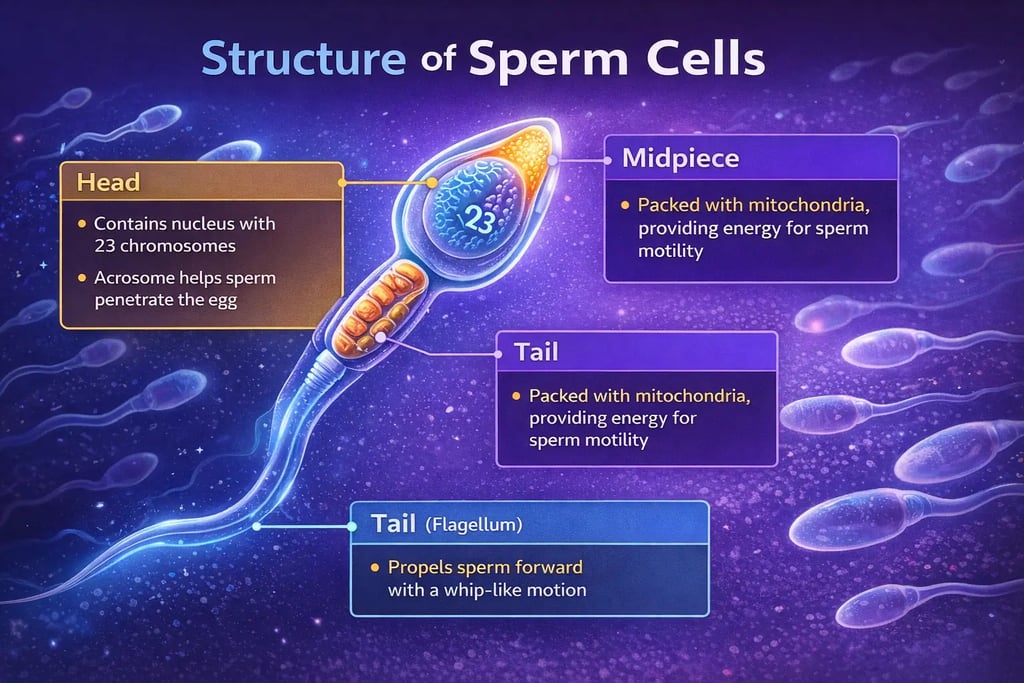
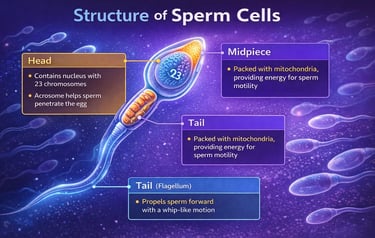
Sperm cells are highly specialized and consist of three main parts:
• Head: Contains the nucleus with 23 chromosomes, half the genetic material needed for human development. The acrosome, an enzyme-filled sac, helps sperm penetrate the egg.
• Midpiece: Packed with mitochondria, providing energy for sperm motility.
• Tail (Flagellum): Propels sperm forward with a whip-like motion, enabling it to reach the egg.
Sperm Motility
Sperm motility—the ability to move—is a defining characteristic. Powered by the tail and midpiece, motility is essential for sperm to travel through the female reproductive tract and fertilize the egg. Without proper motility, chances of successful fertilization decrease significantly.
How and When is Sperm Produced?
The process of sperm production, known as spermatogenesis, occurs in the testes within the seminiferous tubules.
Stages of Spermatogenesis
1. Spermatogonia undergo mitosis to multiply.
2. Cells enter meiosis I, forming primary spermatocytes.
3. Meiosis II produces secondary spermatocytes.
4. Cells differentiate into spermatids, then mature into spermatozoa through spermiogenesis.
This cycle takes approximately 64 days.
Hormonal Regulation
• GnRH from the hypothalamus triggers the pituitary gland.
• FSH supports Sertoli cells, nourishing sperm.
• LH stimulates Leydig cells to produce testosterone, essential for sperm development.
Sperm production begins at puberty and continues throughout a man’s life, though efficiency may decline with age.
Factors Affecting Sperm Quality and Quantity
1. Genetics
Inherited traits influence sperm count, morphology, and motility.
2. Environmental Factors
Exposure to toxins, pesticides, and heavy metals can reduce sperm count and impair function.
3. Lifestyle Choices
• Diet: Foods rich in antioxidants, omega-3 fatty acids, zinc, and folate (fish, nuts, leafy greens) support sperm health. Processed foods, alcohol, and caffeine can harm sperm quality.
• Exercise: Moderate physical activity boosts circulation and hormone levels. Excessive exercise or anabolic steroid use may impair sperm production.
• Stress: Chronic stress raises cortisol, lowering testosterone and reducing sperm motility. Stress management, sleep, and mindfulness are crucial.
4. Medical Conditions
• Varicocele: Enlarged veins in the scrotum reduce sperm count and morphology.
• Infections: STIs and chronic infections can cause blockages and scarring.
• Hormonal Imbalances: Conditions like hypogonadism disrupt testosterone production.
Conclusion
Sperm are not just carriers of genetic material—they are active participants in fertilization. Their unique structure, motility, and production process highlight their importance in male fertility and reproduction. Maintaining a healthy lifestyle, managing stress, and seeking medical care when needed are key to ensuring optimal sperm quality and reproductive success.
MicroNews © 2025
MicroNews empowers the generation of tomorrow for a brighter future and hope for every individual.
Thanks For Touch with us
We care about your data in our privacy policy.
Popular Post
Top 10 Calcium-Rich Vegetables for Strong Bones & Better Health
Patala Garuda (Rauvolfia serpentina): Health Benefits, Ayurvedic Uses
Ganga Siuli (Parijata Tree): Benefits, Uses, and Medicinal Properties
Freelancing Explained: How to Start, Earn, and Succeed as a Freelancer
Turmeric Benefits: Uses, Nutrition, Ayurveda Importance & Side Effects
Science of Longevity: New Research Reveals How Diet May Shape Lifespan