
What is Dandruff? Causes, Symptoms, Remedies, and Prevention
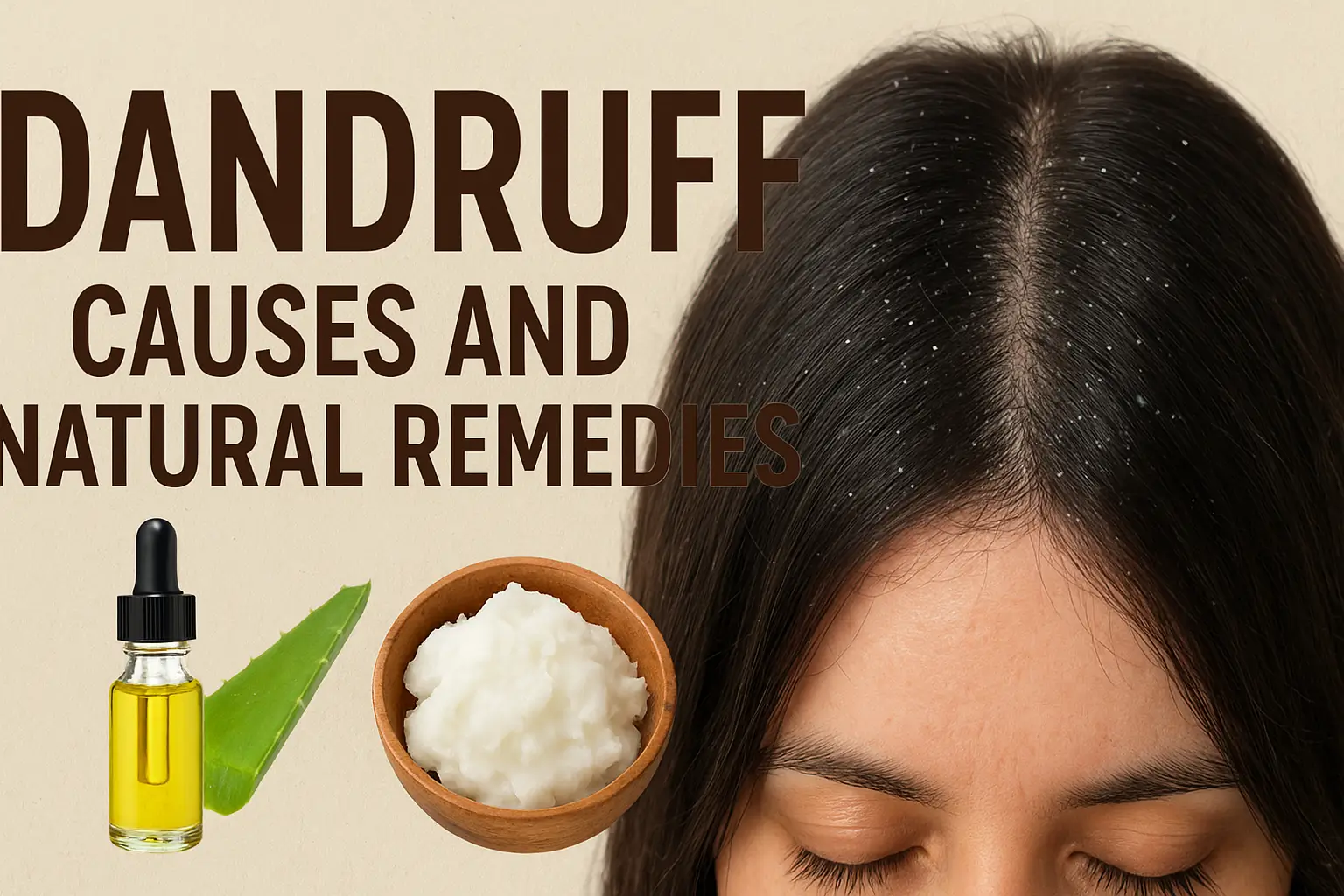
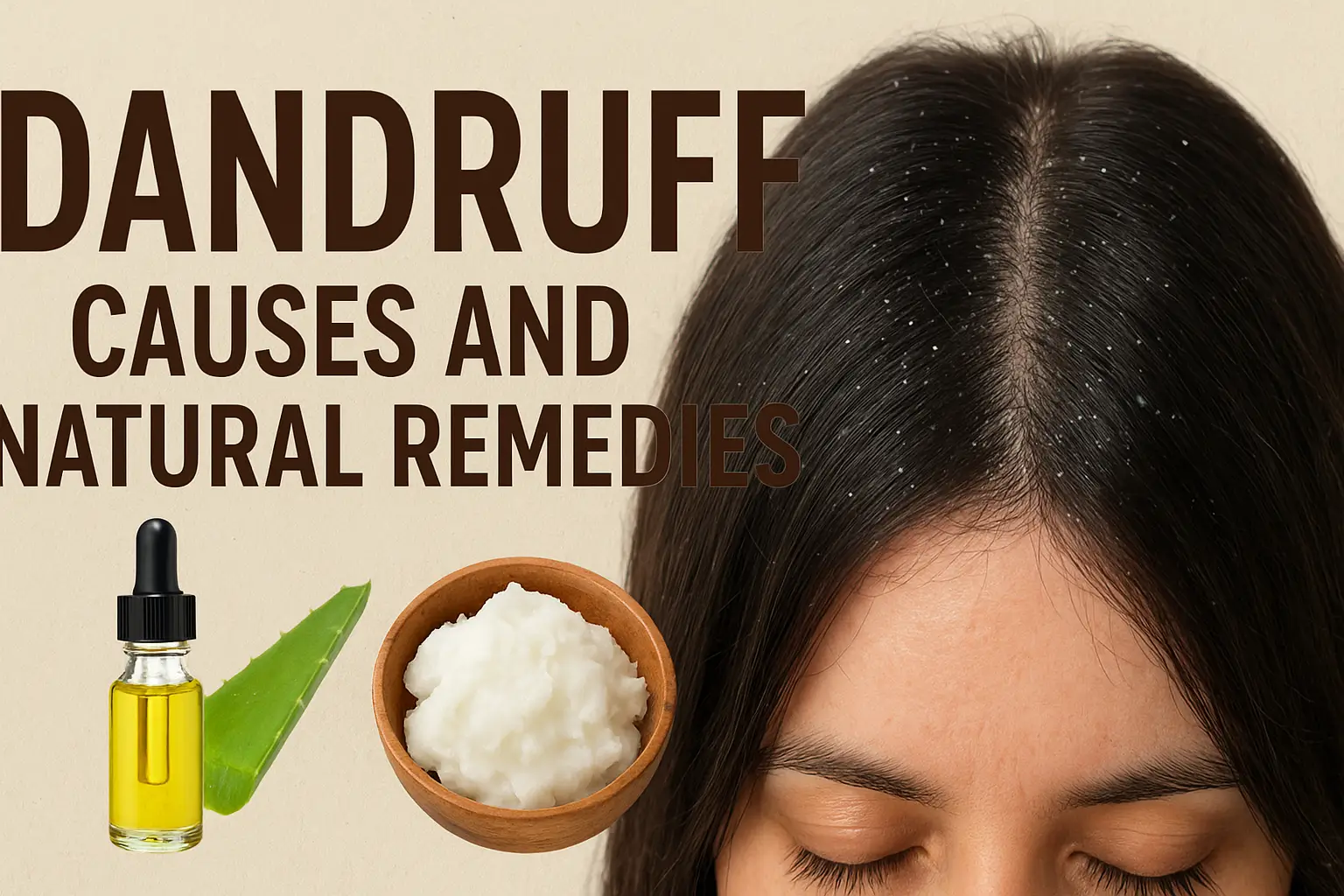
Dandruff is one of the most common scalp problems worldwide, often recognized by visible white or yellowish flakes on the scalp, hair, and shoulders. It is usually accompanied by itching, irritation, and sometimes redness of the scalp. While dandruff is not contagious or dangerous, it can be embarrassing and impact self-confidence.
The condition occurs when scalp skin cells shed more rapidly than normal. Factors such as dry skin, oily scalp, fungal infections (especially Malassezia), or skin conditions like seborrheic dermatitis and psoriasis can all trigger dandruff.
Many people confuse dandruff with dry scalp, but the two are different. Dry scalp usually causes small, fine flakes due to lack of moisture, while dandruff typically produces larger, oily flakes that may appear greasy or yellowish. Understanding the difference is key to finding the right dandruff treatment.
Common Causes of Dandruff
Several factors contribute to dandruff, and identifying the root cause is essential for effective management:
- Environmental ConditionsWeather changes, cold winters, or high humidity can irritate the scalp, making dandruff worse. Pollution can also trigger scalp irritation and flaking.Poor Hair HygieneWashing hair too infrequently allows oil, dirt, and dead skin to accumulate, while excessive washing strips away natural oils, both leading to flakes.Fungal Growth (Malassezia)This naturally occurring fungus thrives on oily scalps, causing irritation and excessive flaking.Hormonal FluctuationsChanges during puberty, stress, or hormonal imbalance can affect oil production and trigger dandruff.Skin ConditionsSeborrheic dermatitis, eczema, or psoriasis often worsen dandruff symptoms.
Maintain Scalp Hygiene – Wash hair regularly with a mild, sulfate-free shampoo to remove excess oil and dirt.
Eat a Balanced Diet – Include omega-3 fatty acids, zinc, biotin, and vitamin B-rich foods for scalp nourishment.
Manage Stress – High stress increases oil production and worsens dandruff. Yoga, meditation, and exercise can help.
Choose the Right Hair Products – Look for shampoos with tea tree oil, salicylic acid, zinc pyrithione, or ketoconazole.
Avoid Over-Styling – Excessive use of heat styling tools or chemical treatments can dry out and irritate the scalp.
Natural Remedies for Dandruff
Many people prefer natural dandruff remedies because they are gentle, safe, and effective over time. Here are some proven options:
Tea Tree OilKnown for its antifungal and antibacterial properties. Mix a few drops with coconut oil and massage into the scalp before shampooing.Baking Soda ScrubWorks as a natural exfoliant to remove dead skin cells. Make a paste with water, apply to the scalp, leave for 10 minutes, and rinse.Apple Cider Vinegar (ACV)Balances scalp pH and reduces yeast growth. Dilute with water and use as a final rinse after shampooing.Coconut OilDeeply moisturizes the scalp and reduces dryness-related flaking. Massage gently and leave overnight before washing.Aloe VeraSoothes irritation and hydrates the scalp naturally. Apply fresh gel directly to the scalp.
⚠️ Always perform a patch test before using any home remedy to avoid allergic reactions.
Preventing Dandruff: Tips and Best Practices
Prevention is better than cure when it comes to dandruff. Follow these dandruff prevention tips for long-term scalp health:
Final Thoughts
Dandruff is a widespread but manageable condition. By understanding its causes, using effective dandruff remedies, and adopting preventive measures, you can achieve a healthier scalp and regain confidence. If dandruff persists despite home care, consulting a dermatologist is recommended to rule out underlying skin conditions.