
Kidney Disorders: Causes, Symptoms, Treatment, and Potential Future Cures
Introduction
Kidney disorders, also called renal diseases, are conditions that affect the kidneys and their ability to perform essential functions. The kidneys filter waste products and excess fluid from the blood, maintain the body’s electrolyte and fluid balance, help regulate blood pressure, and support the production of certain hormones.
Kidney disease can range from mild and temporary problems to chronic conditions that may eventually lead to kidney failure. Early diagnosis and appropriate treatment can help slow disease progression and protect kidney function.
In this article, we explore the common causes of kidney disorders, treatment options, and emerging research into potential future therapies.
What Are Kidney Disorders?
Kidney disorders include a wide range of conditions that can damage kidney tissue or interfere with normal kidney function. Some conditions develop suddenly, while others progress gradually over many years.
Common kidney conditions include:
Chronic kidney disease (CKD)
Acute kidney injury (AKI)
Kidney infections
Kidney stones
Polycystic kidney disease
Glomerulonephritis
Diabetic kidney disease
Some kidney disorders can be effectively managed, while advanced kidney disease may require dialysis or a kidney transplant.
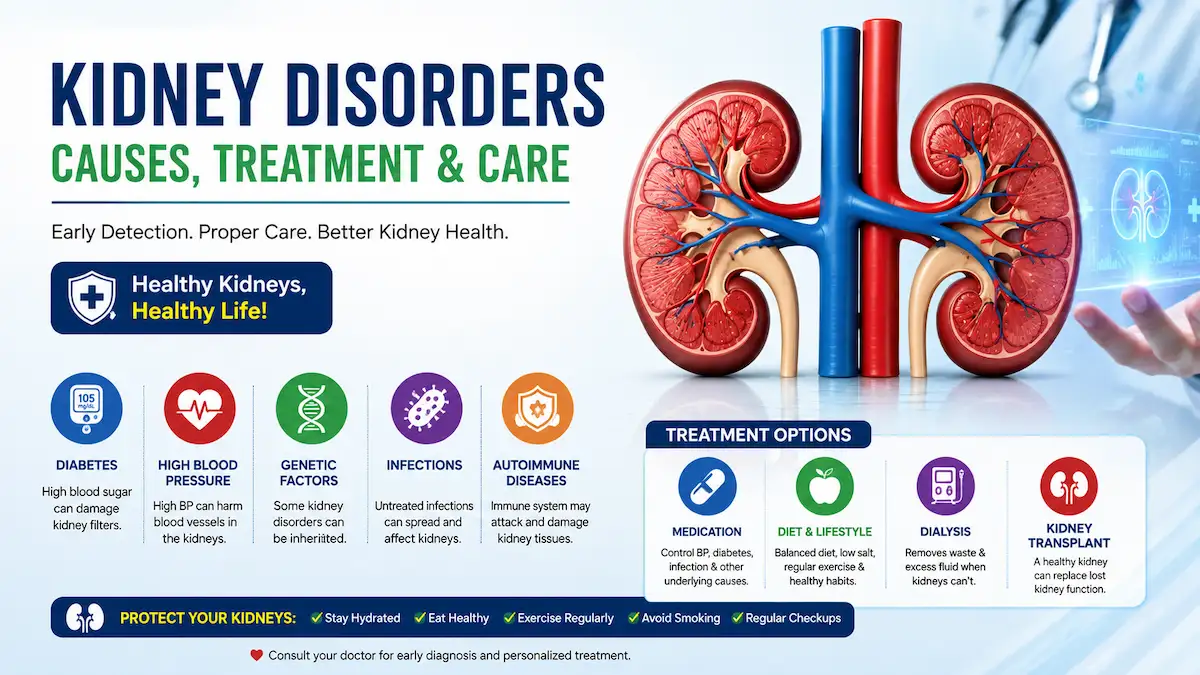
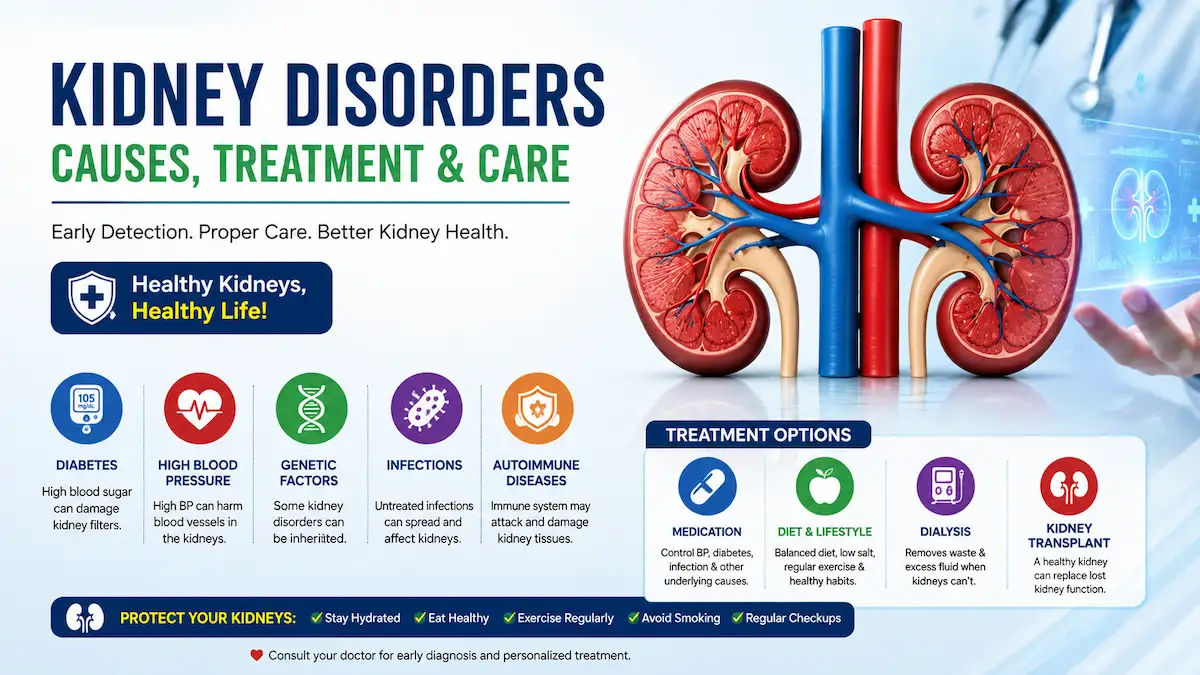
Common Causes of Kidney Disorders
Several health conditions and lifestyle factors can increase the risk of kidney disease.
1. Diabetes
Diabetes is one of the major causes of chronic kidney disease. Persistently high blood sugar levels can damage the tiny blood vessels and filtering structures inside the kidneys. Over time, this damage may reduce the kidneys’ ability to filter waste effectively.
Keeping blood glucose levels under control can help reduce the risk of kidney complications.
2. High Blood Pressure
Uncontrolled high blood pressure (hypertension) can damage the blood vessels in the kidneys. At the same time, kidney disease can also contribute to high blood pressure, creating a cycle that may worsen kidney function.
Managing blood pressure is therefore an important part of protecting kidney health.
3. Genetic Factors
Some kidney disorders are inherited. Polycystic kidney disease (PKD) is one example in which genetic changes can cause multiple cysts to develop in the kidneys and affect their function.
People with a family history of certain kidney diseases may benefit from discussing their risk with a healthcare professional.
4. Infections
Certain infections can affect the kidneys. For example, a urinary tract infection that spreads to the kidneys can cause kidney infection (pyelonephritis).
Prompt medical evaluation and appropriate treatment can help prevent complications.
5. Autoimmune Diseases
Autoimmune conditions such as lupus can cause inflammation and damage to the kidneys. Other kidney conditions, including some forms of glomerulonephritis, may also involve abnormal immune-system activity.
Treatment generally focuses on controlling the underlying disease and protecting kidney function.
6. Kidney Stones and Urinary Blockages
Large kidney stones or other blockages in the urinary tract can interfere with the normal flow of urine. Severe or prolonged obstruction can potentially damage kidney function and requires medical evaluation.
Symptoms of Kidney Disorders
Kidney disease does not always cause noticeable symptoms during its early stages. As kidney function declines, symptoms may include:
Swelling in the feet, ankles, or around the eyes
Changes in urination
Blood in the urine
Foamy urine
Fatigue or weakness
Nausea or loss of appetite
Muscle cramps
Difficulty concentrating
High blood pressure
Shortness of breath in advanced cases
These symptoms can have many different causes, so they do not necessarily indicate kidney disease. Persistent or concerning symptoms should be evaluated by a healthcare professional.
How Are Kidney Disorders Diagnosed?
Doctors may use several tests to evaluate kidney health, depending on the suspected condition. These may include:
Blood tests to measure kidney function
Urine tests to detect blood or protein
Blood pressure measurement
Ultrasound or other imaging tests
Additional specialized tests when necessary
Two commonly used measures of kidney health are serum creatinine and estimated glomerular filtration rate (eGFR). Urine testing can also help identify kidney damage, including the presence of albumin.
Treatment for Kidney Disorders
Treatment depends on the type and severity of kidney disease and its underlying cause. The goal is often to treat the cause, control risk factors, prevent further damage, and preserve kidney function.
1. Medications
Doctors may prescribe medications to:
Control high blood pressure
Manage diabetes
Reduce inflammation
Treat infections
Control complications associated with reduced kidney function
The appropriate medication depends on the individual’s condition and should be determined by a qualified healthcare professional.
2. Dietary and Lifestyle Changes
People with kidney disease may need individualized dietary recommendations. Depending on kidney function and other health conditions, doctors or dietitians may recommend adjustments to sodium, protein, potassium, phosphorus, or fluid intake.
Other healthy habits, such as maintaining a healthy weight, exercising regularly, avoiding tobacco, and limiting excessive alcohol consumption, may also support overall health.
3. Dialysis
When the kidneys can no longer adequately remove waste and excess fluid, dialysis may be required. Dialysis performs some of the functions normally carried out by healthy kidneys.
The two main types are:
Hemodialysis
Peritoneal dialysis
Dialysis may be temporary in some cases, while people with permanent kidney failure may require long-term dialysis or transplantation.
4. Kidney Transplant
For eligible people with end-stage kidney disease, a kidney transplant may provide an alternative to long-term dialysis. A healthy kidney from a suitable donor is surgically transplanted into the recipient.
A transplant is not a universal cure for every underlying kidney disorder, and recipients generally require ongoing medical care and anti-rejection medication.
Can Kidney Disorders Be Cured?
Whether kidney disease can be cured depends largely on its cause and stage.
Some acute kidney problems may improve significantly when the underlying cause is identified and treated promptly. However, many forms of chronic kidney disease cannot currently be completely reversed.
Early diagnosis and proper management can often slow progression and help preserve kidney function for longer.
Emerging Research and Potential Future Treatments
Researchers continue to investigate new approaches for treating kidney disease and restoring damaged kidney tissue.
Stem Cell Therapy
Scientists are studying whether stem cells could eventually help repair or regenerate damaged kidney tissue. However, stem-cell-based treatments for kidney disease remain an area of research and are not an established cure for most kidney disorders.
Gene Therapy and Gene Editing
Genetic research may lead to new treatments for inherited kidney disorders. Gene therapy and gene-editing technologies are being investigated for their potential to correct or modify disease-causing genetic changes.
Artificial and Bioengineered Kidneys
Researchers are also exploring bioengineered kidney tissue and artificial kidney technologies that could potentially replace or support some functions of damaged kidneys in the future.
These approaches are promising areas of research, but many are still undergoing scientific and clinical development.
How to Protect Kidney Health
Several measures can help reduce the risk of kidney disease and its complications:
Keep blood pressure within the recommended range.
Manage blood sugar if you have diabetes.
Maintain a healthy body weight.
Follow a balanced diet.
Exercise regularly.
Avoid smoking and tobacco products.
Take medicines only as directed.
Stay adequately hydrated according to your health needs.
Get regular medical checkups if you have risk factors for kidney disease.
People with diabetes, high blood pressure, a family history of kidney disease, or other risk factors should discuss appropriate kidney-function testing with their healthcare professional.
Frequently Asked Questions About Kidney Disorders
What is the main cause of kidney disease?
Diabetes and high blood pressure are among the leading causes of chronic kidney disease. Other causes include genetic conditions, autoimmune diseases, infections, kidney stones, and certain medications or toxins.
Can kidney disease be cured?
Some acute kidney conditions can improve or resolve when the underlying cause is treated. Many chronic kidney diseases, however, cannot currently be completely cured and require long-term management.
Can damaged kidneys recover?
Recovery depends on the cause and extent of kidney damage. Some people with acute kidney injury can regain much or all of their kidney function, while chronic kidney damage may be permanent.
When is dialysis needed?
Dialysis may be recommended when kidney function becomes severely impaired and the kidneys cannot adequately remove waste and excess fluid from the body. The decision depends on kidney function, symptoms, laboratory results, and overall health.
Conclusion
Kidney disorders can significantly affect overall health, particularly when they are diagnosed at an advanced stage. Diabetes, high blood pressure, genetic conditions, infections, and autoimmune diseases are among the many factors that can contribute to kidney problems.
Recognizing risk factors, getting appropriate medical tests, and managing underlying conditions can help protect kidney function. Although there is currently no universal cure for chronic kidney disease, advances in stem cell research, gene therapy, artificial kidneys, and regenerative medicine may lead to new treatment options in the future.
If you are experiencing persistent urinary changes, swelling, unexplained fatigue, or other concerning symptoms, consult a healthcare professional for appropriate evaluation rather than attempting to self-diagnose or self-treat.
Medical Disclaimer: This article is intended for general educational purposes only and should not replace professional medical advice, diagnosis, or treatment.