
Science of Longevity: New Research Reveals How Diet May Shape Lifespan and Healthy Aging
The science of longevity shows diet may play a major role in lifespan. New research reveals how nutrient-rich foods and eating habits support healthy aging.
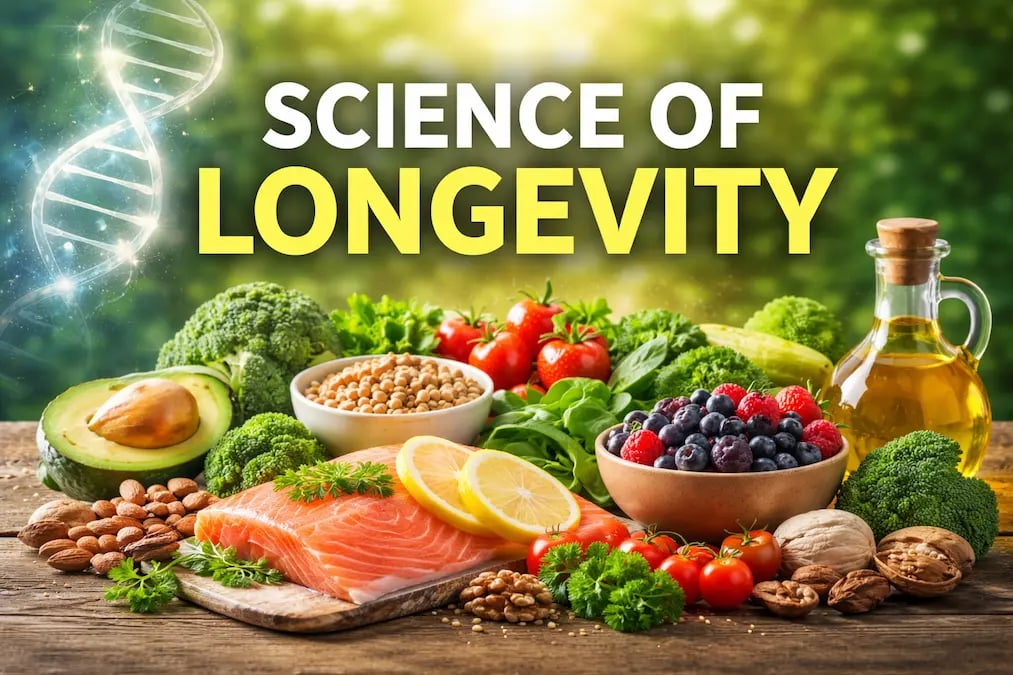
Science of Longevity: How Diet Is Emerging as a Key Factor in Living Longer
Can everyday food choices really influence how long we live? According to the latest findings in the science of longevity, the answer appears to be yes. A growing body of global research suggests that diet plays a powerful role in shaping lifespan, healthy aging, and disease prevention, sometimes even outweighing genetic factors.
Scientists studying aging and nutrition now agree that while genetics create a baseline, lifestyle choices—especially diet—largely determine how the aging process unfolds. This shift in focus has placed nutrition at the center of modern longevity research.
What the Science of Longevity Says About Diet and Lifespan
Recent studies show that people who consistently follow diets rich in fruits, vegetables, whole grains, and lean proteins tend to live longer and experience fewer chronic illnesses. These dietary patterns are associated with lower risks of heart disease, diabetes, obesity, and cognitive decline.
One of the most discussed topics in the science of longevity is calorie moderation. Research indicates that moderate calorie restriction—without malnutrition—can slow aging by reducing oxidative stress, improving metabolic health, and lowering inflammation. These biological processes are closely linked to how quickly the body ages.
Equally important is nutrient density. Diets that emphasize nutrient-rich foods rather than calorie-dense, ultra-processed options support cellular repair and immune function. A balanced intake of proteins, healthy fats, and complex carbohydrates provides the body with the resources it needs to maintain strength and vitality over time.
Blue Zones Offer Real-World Proof of Longevity Diets
Some of the strongest evidence supporting the diet-longevity connection comes from the world’s Blue Zones—regions where people live significantly longer than average. These include Okinawa (Japan), Sardinia (Italy), Ikaria (Greece), and Loma Linda (California).
Despite cultural differences, these regions share common eating habits. Their diets are largely plant-based, rich in vegetables, legumes, whole grains, and healthy fats. Meat consumption is limited, portion sizes are small, and meals are often eaten slowly and mindfully.
Researchers studying Blue Zones note that these dietary patterns naturally reduce inflammation and support long-term metabolic health, reinforcing key principles of the science of longevity.
Nutrient-Rich Foods Linked to Healthy Aging
Longevity research consistently highlights the importance of whole, unprocessed foods. Fruits and vegetables supply antioxidants that protect cells from age-related damage. Leafy greens, in particular, are linked to better brain and heart health.
Whole grains provide fiber and essential minerals that support digestion and cardiovascular function. Nuts and seeds offer healthy fats and omega-3 fatty acids, which are associated with reduced inflammation and improved cognitive health.
Lean proteins—such as fish, legumes, and plant-based sources—help preserve muscle mass, a critical factor in maintaining independence and quality of life as people age.
Why Longevity Diets Focus on Simplicity
Popular longevity-focused diets like the Mediterranean diet, Okinawan diet, and plant-based diets share a common theme: simplicity. They emphasize natural foods, minimal processing, and balance rather than strict rules or extreme restrictions.
Hydration also plays a vital role. Adequate water intake supports cellular function, digestion, and circulation, all of which contribute to healthy aging.
What This Means for Everyday Life
Experts in the science of longevity emphasize that extending lifespan doesn’t require perfection. Small, consistent changes—such as reducing processed foods, increasing vegetable intake, and practicing mindful eating—can make a measurable difference over time.
Rather than focusing solely on how long we live, researchers now stress the importance of healthspan, or the number of years lived in good health. Diet, they say, is one of the most powerful tools available to improve both.
The Bottom Line
The latest insights from the science of longevity make one thing clear: diet matters. While genes influence aging, everyday food choices play a defining role in determining lifespan and overall well-being. By prioritizing nutrient-rich foods and balanced eating habits, individuals can support healthier aging and potentially add more vibrant years to life.
MicroNews © 2025
MicroNews empowers the generation of tomorrow for a brighter future and hope for every individual.
Thanks For Touch with us
We care about your data in our privacy policy.
Popular Post
Top 10 Calcium-Rich Vegetables for Strong Bones & Better Health
Patala Garuda (Rauvolfia serpentina): Health Benefits, Ayurvedic Uses
Ganga Siuli (Parijata Tree): Benefits, Uses, and Medicinal Properties
Freelancing Explained: How to Start, Earn, and Succeed as a Freelancer
Turmeric Benefits: Uses, Nutrition, Ayurveda Importance & Side Effects
Science of Longevity: New Research Reveals How Diet May Shape Lifespan