
Snoring and Hypothyroidism: Causes, Symptoms, and Effective Treatments
Discover how snoring may be linked to hypothyroidism. Learn about common causes, symptoms, diagnosis, and treatment options to improve sleep and manage thyroid health effectively.
Snoring and Hypothyroidism: Causes, Symptoms, and Treatment
What is Snoring and Why Does It Happen?
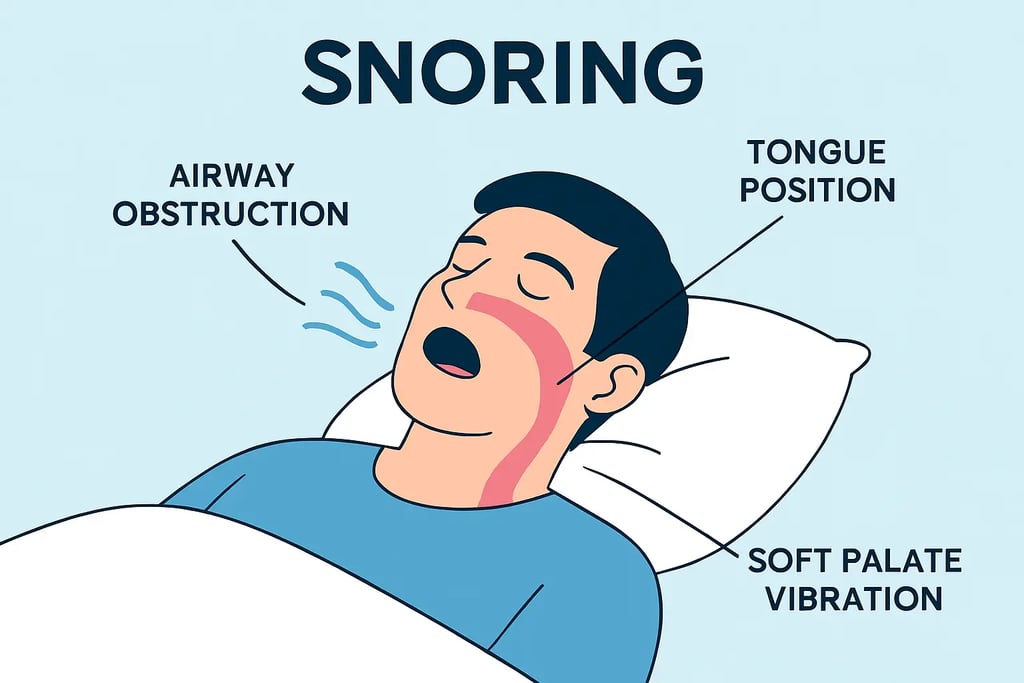
Snoring is a common sleep-related issue that affects millions worldwide, often disrupting rest and overall health. It occurs when airflow is partially blocked during sleep, causing throat tissues to vibrate and produce the familiar snoring sound.
The obstruction usually results from relaxed throat muscles narrowing the airway. As air struggles to pass through, vibrations increase, leading to louder snoring.
Common Causes of Snoring
• Obesity – Excess neck fat puts pressure on the airway.
• Nasal congestion – Allergies, colds, or a deviated septum force mouth breathing.
• Alcohol consumption – Evening alcohol intake relaxes throat muscles excessively.
• Sleep position – Sleeping on the back allows the tongue and soft tissues to block airflow.
Chronic snoring may indicate more serious health conditions such as obstructive sleep apnea (OSA), cardiovascular problems, or endocrine disorders like hypothyroidism.
Hypothyroidism and Its Link to Snoring
What is Hypothyroidism?
Hypothyroidism occurs when the thyroid gland does not produce enough thyroid hormones, which are essential for regulating metabolism and energy levels.
Symptoms of Hypothyroidism
• Persistent fatigue
• Unexplained weight gain
• Cold intolerance
• Dry skin and hair loss
• Puffy face
These symptoms often overlap with sleep disturbances, making hypothyroidism a hidden contributor to snoring.
How Hypothyroidism Affects Sleep
Thyroid hormone imbalance can lead to obstructive sleep apnea (OSA), a condition where breathing repeatedly stops during sleep. Snoring is one of the most noticeable symptoms of OSA.
Research Insights
• Studies in the Journal of Clinical Endocrinology & Metabolism show thyroid hormone deficiency worsens sleep apnea.
• Research in Thyroid Research highlights a higher prevalence of OSA in untreated hypothyroidism patients.
This demonstrates a strong connection between thyroid health and sleep quality.
Diagnosis of Hypothyroidism
To confirm hypothyroidism, doctors typically recommend:
• Blood tests – Elevated TSH and low T3/T4 levels.
• Physical examination – Checking for swelling, weight changes, or other symptoms.
• Medical history review – Identifying long-term fatigue, mood changes, or sleep issues.
Treatment Options
Managing Hypothyroidism
• Hormone replacement therapy – Synthetic thyroid hormones restore balance.
• Lifestyle changes – Regular exercise and a balanced diet improve overall health.
Addressing Snoring Directly
• CPAP therapy – Keeps airways open during sleep.
• Weight management – Reduces pressure on the airway.
• Positional therapy – Sleeping on the side prevents airway obstruction.
Final Thoughts
Snoring may seem harmless, but it can signal deeper health concerns like hypothyroidism. Recognizing symptoms such as fatigue, weight gain, and depression alongside snoring is crucial. With proper diagnosis, treatment, and lifestyle adjustments, both hypothyroidism and snoring can be effectively managed, leading to better sleep and improved well-being.
MicroNews © 2025
MicroNews empowers the generation of tomorrow for a brighter future and hope for every individual.
Thanks For Touch with us
We care about your data in our privacy policy.
Popular Post
Top 10 Calcium-Rich Vegetables for Strong Bones & Better Health
Patala Garuda (Rauvolfia serpentina): Health Benefits, Ayurvedic Uses
Ganga Siuli (Parijata Tree): Benefits, Uses, and Medicinal Properties
Freelancing Explained: How to Start, Earn, and Succeed as a Freelancer
Turmeric Benefits: Uses, Nutrition, Ayurveda Importance & Side Effects
Science of Longevity: New Research Reveals How Diet May Shape Lifespan