
Spleen: Functions, Location, Diseases, and How to Keep Your Spleen Healthy
Learn everything about the spleen, its functions, location, common spleen diseases, symptoms, and natural ways to keep your spleen healthy. Complete guide.
What Is the Spleen?
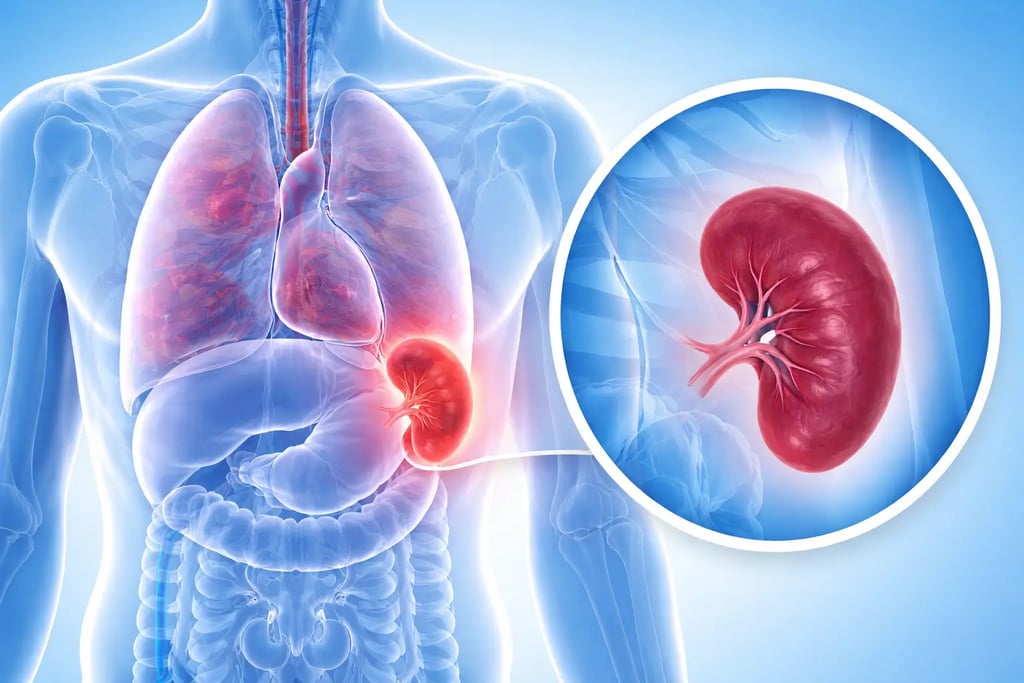
The spleen is a small but extremely important organ located on the left side of the upper abdomen, just below the rib cage. Although many people are not fully aware of its role, the spleen plays a vital part in immunity, blood filtration, and infection control.
Often called a “blood filter”, the spleen works silently to keep your body healthy. Problems with the spleen can remain unnoticed for a long time, which makes understanding spleen health essential.
Spleen Location in the Human Body
The spleen location is:
Upper left side of the abdomen
Behind the stomach
Below the diaphragm
Near the left kidney
Under normal conditions, the spleen is not easily felt. However, when it becomes enlarged (a condition called splenomegaly), doctors may feel it during a physical examination.
Functions of the Spleen
The spleen function goes far beyond what most people imagine. Some of its key roles include:
1. Filters Blood
The spleen removes:
Old or damaged red blood cells
Abnormal blood cells
Cellular waste
This helps maintain healthy blood circulation.
2. Strengthens the Immune System
The spleen produces white blood cells (lymphocytes) that fight:
It also stores immune cells that respond quickly during illness.
3. Stores Blood and Platelets
The spleen acts as a reserve for:
Platelets (important for clotting)
During emergencies like heavy bleeding, it releases stored blood into circulation.
4. Recycles Iron
Iron from old red blood cells is recycled and reused by the body to form new cells.
Common Spleen Diseases and Disorders
Several conditions can affect spleen health. Some of the most common spleen diseases include:
Enlarged Spleen (Splenomegaly)
An enlarged spleen may occur due to:
Viral infections (like mononucleosis)
Symptoms may include:
Pain in the upper left abdomen
Feeling full quickly
Fatigue
Spleen Infection
Bacterial or viral infections can inflame the spleen, causing discomfort and fever.
Ruptured Spleen
A ruptured spleen is a medical emergency, often caused by:
Road accidents
Sports injuries
Falls
Symptoms include sudden severe pain, dizziness, and low blood pressure.
Spleen Cancer
Although rare, cancers such as lymphoma or leukemia can affect the spleen.
Symptoms of Spleen Problems
Many spleen disorders show mild or no symptoms initially. However, warning signs may include:
Pain or discomfort in the left upper abdomen
Pain spreading to the left shoulder
Frequent infections
Easy bleeding or bruising
Anemia-related fatigue
Feeling full without eating much
If these symptoms persist, medical evaluation is important.
How Is Spleen Disease Diagnosed?
Doctors may use:
Physical examination
Blood tests
Ultrasound or CT scan
MRI imaging
Early diagnosis helps prevent serious complications.
Can You Live Without a Spleen?
Yes, a person can live without a spleen, but with precautions.
After spleen removal (splenectomy):
The immune system becomes weaker
Risk of infections increases
Doctors usually recommend:
Vaccinations
Preventive antibiotics
Immediate treatment for fever or infection
Natural Ways to Keep Your Spleen Healthy
Maintaining spleen health is closely linked to overall wellness.
1. Eat a Balanced Diet
Include:
Fresh fruits and vegetables
Whole grains
Lean protein
Iron-rich foods
Avoid excessive processed and fatty foods.
2. Stay Hydrated
Proper hydration supports blood circulation and organ function.
3. Exercise Regularly
Moderate exercise improves immunity and blood flow.
4. Avoid Alcohol Excess
Excess alcohol damages the liver, indirectly affecting the spleen.
5. Prevent Infections
Get recommended vaccinations
Practice good hygiene
When to See a Doctor
Seek medical help if you experience:
Persistent spleen pain
Sudden abdominal pain after injury
Frequent infections
Unexplained fatigue or anemia
Early care can be life-saving.
Final Thoughts
The spleen may be small, but its role in blood health and immunity is massive. Understanding the functions, diseases, symptoms, and care of the spleen helps you stay proactive about your health.
By maintaining a healthy lifestyle and recognizing early warning signs, you can protect this vital organ and improve overall well-being.
MicroNews © 2025
MicroNews empowers the generation of tomorrow for a brighter future and hope for every individual.
Thanks For Touch with us
We care about your data in our privacy policy.
Popular Post
Top 10 Calcium-Rich Vegetables for Strong Bones & Better Health
Patala Garuda (Rauvolfia serpentina): Health Benefits, Ayurvedic Uses
Ganga Siuli (Parijata Tree): Benefits, Uses, and Medicinal Properties
Freelancing Explained: How to Start, Earn, and Succeed as a Freelancer
Turmeric Benefits: Uses, Nutrition, Ayurveda Importance & Side Effects
Science of Longevity: New Research Reveals How Diet May Shape Lifespan