
Tattoos and Lymphoma Risk: Causes, Scientific Evidence & Safety Precautions
Learn about the potential risks of tattoos and their possible connection to lymphoma. Stay informed with the latest research on this topic relationship between tattoos and lymphoma.
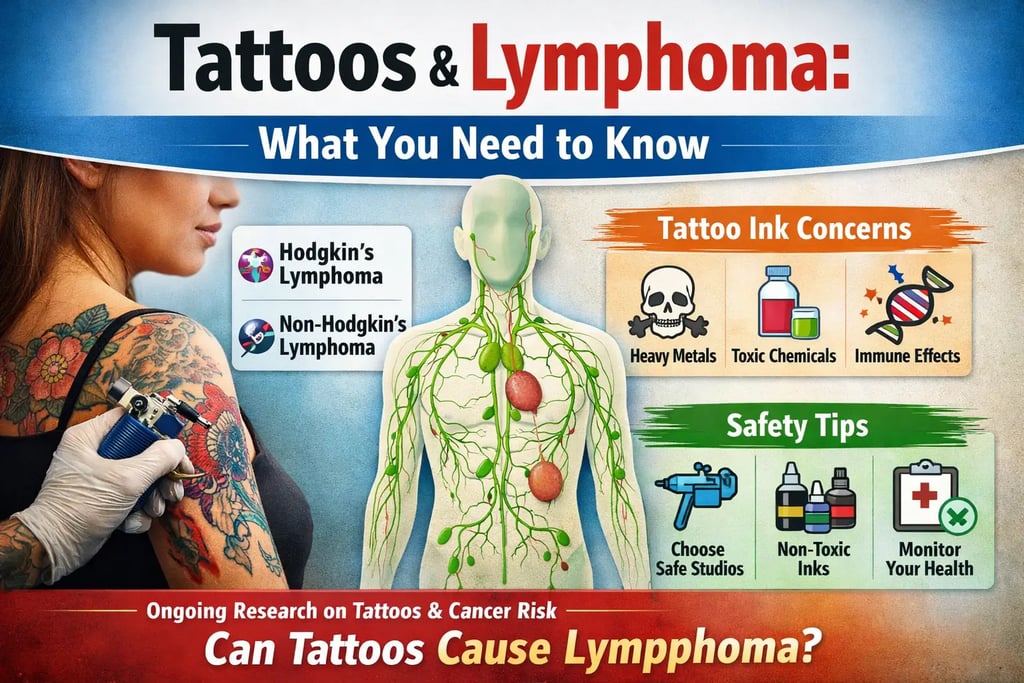
Tattoos and Lymphoma: Causes, Evidence, and Safety Precautions
Understanding Lymphoma and Its Causes
Lymphoma is a form of cancer that develops in the lymphatic system, a vital part of the immune system responsible for protecting the body against infections. The lymphatic system consists of lymph nodes, spleen, bone marrow, tonsils, and lymph vessels, all of which help filter lymph fluid and remove harmful substances.
Lymphoma occurs when lymphocytes (white blood cells) grow abnormally and multiply uncontrollably, forming tumors in lymph nodes or other organs.
Types of Lymphoma
There are two main types of lymphoma:
Hodgkin’s Lymphoma (HL):
Identified by the presence of Reed–Sternberg cells, which are large, abnormal lymphocytes.Non-Hodgkin’s Lymphoma (NHL):
A broader category that includes multiple subtypes, classified based on how fast the cancer grows and whether it originates from B-cells or T-cells.
Although both types affect the lymphatic system, diagnosis, progression, and treatment approaches differ significantly.
Common Causes and Risk Factors of Lymphoma
Several factors may increase the risk of developing lymphoma:
Genetic predisposition or family history
Weakened immune system, including HIV/AIDS or autoimmune diseases
Viral and bacterial infections, such as Epstein–Barr Virus (EBV) and Helicobacter pylori
Exposure to environmental toxins, including pesticides and industrial chemicals
Understanding these causes helps frame the discussion around emerging concerns, such as whether tattoos may increase lymphoma risk.
Tattoos and Lymphoma: Is There a Scientific Link?
The potential connection between tattoos and lymphoma has attracted increasing attention from researchers and healthcare professionals. Concerns primarily focus on tattoo ink ingredients and how they interact with the immune and lymphatic systems.
Tattoo Ink and Potential Health Risks
Tattoo inks may contain various chemical substances, including:
Heavy metals (lead, mercury, cadmium, arsenic)
Organic and inorganic pigments
Preservatives and contaminants
Some of these compounds have shown toxic or carcinogenic properties in laboratory studies, raising questions about their long-term impact when deposited under the skin.
What Do Studies Say?
A small number of case reports have documented lymphoma developing near tattooed skin, prompting further investigation. However:
Most studies are observational or anecdotal
Sample sizes are too small to prove causation
Other risk factors (genetics, infections, lifestyle) often coexist
At present, no conclusive evidence confirms that tattoos directly cause lymphoma. Researchers emphasize the need for large-scale epidemiological studies to determine whether tattoo ink exposure significantly increases cancer risk.
Current Scientific Consensus
Tattoos may expose the body to potentially harmful substances
A direct cause-and-effect relationship with lymphoma has not been established
Ongoing research continues to evaluate long-term immune system effects
Safety Precautions for Tattoo Enthusiasts
While research continues, individuals can take practical steps to reduce potential health risks associated with tattoos.
1. Choose a Reputable Tattoo Studio
Verify hygiene and sterilization practices
Ensure the use of single-use, disposable needles
Check licensing and customer reviews
2. Ask About Tattoo Ink Quality
Choose studios using regulated, non-toxic inks
Avoid inks with known heavy metals or harmful pigments
Request ingredient transparency when possible
3. Follow Proper Aftercare Instructions
Keep the tattoo clean and moisturized
Avoid swimming, excessive sun exposure, and scratching
Watch for signs of infection or delayed healing
4. Monitor Your Skin and Lymph Nodes
Seek medical attention if you notice:
Persistent swelling or lumps near the tattoo
Unusual skin changes or discoloration
Long-term inflammation or pain
5. Consider Alternatives if You’re High-Risk
People with weakened immunity or family history of lymphoma may consider:
Temporary tattoos
Body paint or henna
Other non-invasive forms of body art
Final Thoughts
The question “Can tattoos cause lymphoma?” does not yet have a definitive answer. While some tattoo ink components raise valid concerns, current scientific evidence does not prove a direct link between tattoos and lymphoma.
Making informed choices, prioritizing safety, and staying updated with emerging research allows tattoo enthusiasts to enjoy body art while minimizing potential health risks.
MicroNews © 2025
MicroNews empowers the generation of tomorrow for a brighter future and hope for every individual.
Thanks For Touch with us
We care about your data in our privacy policy.
Popular Post
Top 10 Calcium-Rich Vegetables for Strong Bones & Better Health
Patala Garuda (Rauvolfia serpentina): Health Benefits, Ayurvedic Uses
Ganga Siuli (Parijata Tree): Benefits, Uses, and Medicinal Properties
Freelancing Explained: How to Start, Earn, and Succeed as a Freelancer
Turmeric Benefits: Uses, Nutrition, Ayurveda Importance & Side Effects
Science of Longevity: New Research Reveals How Diet May Shape Lifespan