
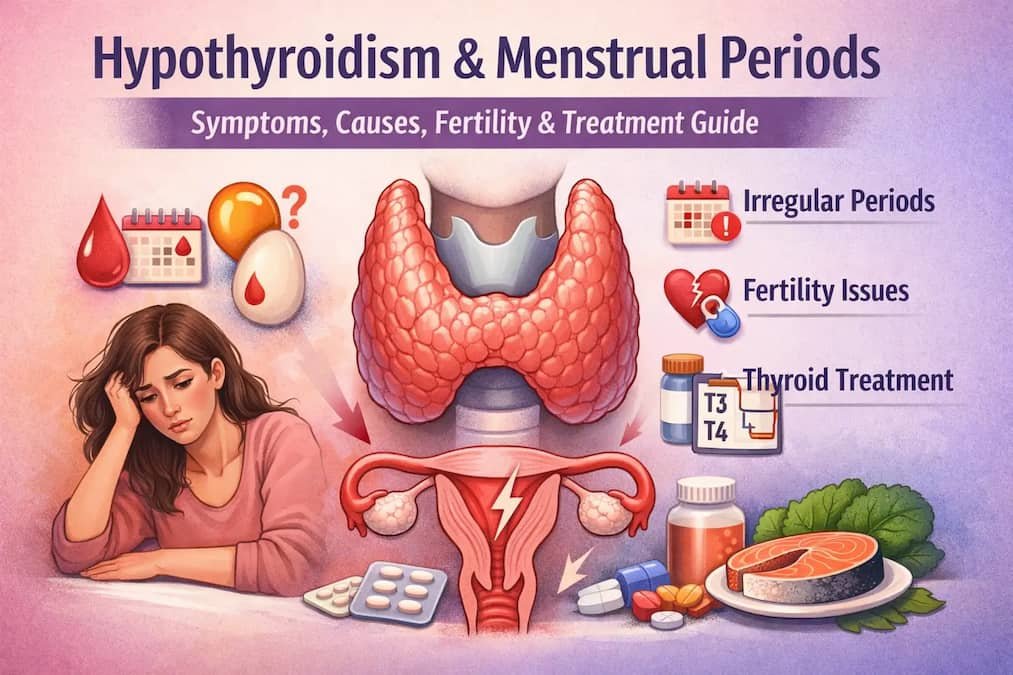
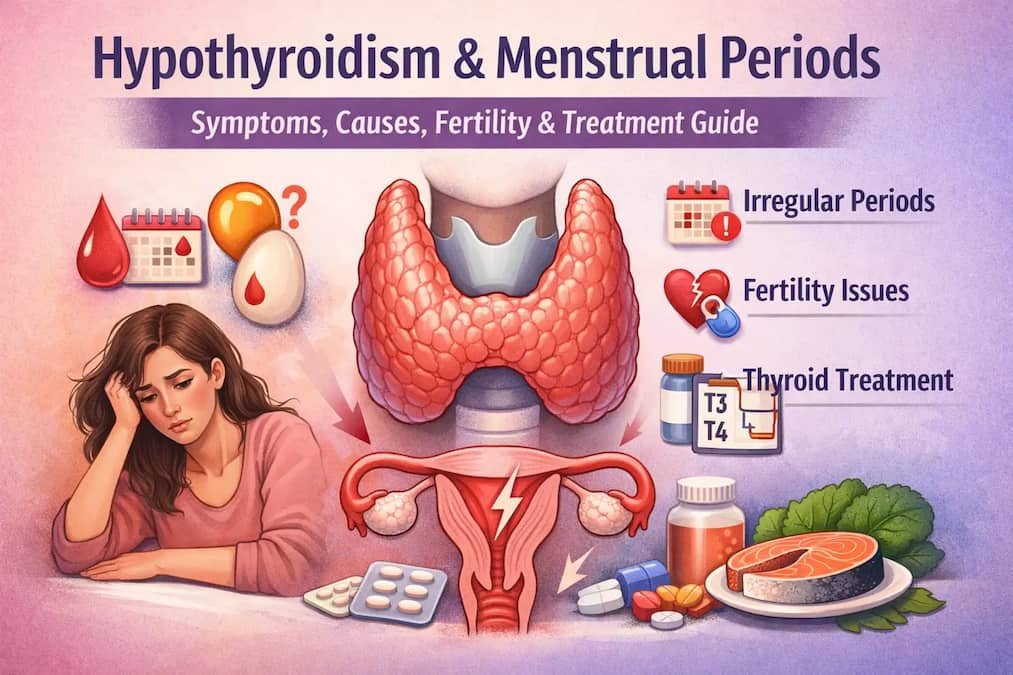
Impact of Hypothyroidism on Menstrual Periods
Hypothyroidism is a condition in which the thyroid gland becomes underactive and fails to produce enough thyroid hormones. While these hormones are mainly known for regulating metabolism, they also play a vital role in reproductive health and menstrual cycle regulation.
When thyroid hormone levels drop, it disrupts the delicate balance of estrogen and progesterone, leading to noticeable changes in menstrual periods.
How Hypothyroidism Affects the Menstrual Cycle
Thyroid hormones influence the hypothalamic-pituitary-ovarian (HPO) axis, the hormonal system responsible for ovulation and menstruation. An underactive thyroid interferes with this axis, which can result in:
Heavy menstrual bleeding (menorrhagia)
Light or scanty periods (oligomenorrhea)
Irregular menstrual cycles
Missed periods (amenorrhea)
Painful menstruation
Anovulation (failure to release an egg)
One of the most common signs of hypothyroidism in women is heavy or prolonged menstrual bleeding. Some women may instead experience very light or infrequent periods. In severe cases, menstruation may stop completely.
Hypothyroidism and Fertility Problems
Because thyroid hormones help regulate ovulation, hypothyroidism can significantly impact fertility. When ovulation does not occur regularly, conception becomes difficult. Many women struggling with unexplained infertility are later diagnosed with thyroid dysfunction.
If you notice sudden menstrual irregularities along with fatigue, weight gain, or hair thinning, it may be wise to test your thyroid function.
Why Early Diagnosis Matters
Menstrual cycle changes are often one of the earliest warning signs of thyroid imbalance. Early detection and proper treatment can:
Restore regular menstrual cycles
Improve fertility
Reduce heavy bleeding
Enhance overall hormonal balance
Improve quality of life
Ignoring symptoms can lead to long-term complications, including anemia from heavy periods and chronic fatigue.
Causes and Symptoms of Hypothyroidism
Understanding the causes of hypothyroidism helps in early diagnosis and better treatment planning.
Common Causes of Hypothyroidism
1. Hashimoto’s thyroiditis
This autoimmune condition is the most common cause of hypothyroidism. The immune system mistakenly attacks the thyroid gland, reducing its ability to produce hormones.
2. Iodine Deficiency
Iodine is essential for thyroid hormone production. Low iodine intake can impair thyroid function.
3. Medications
Certain drugs such as lithium (used for psychiatric conditions) and amiodarone (used for heart rhythm disorders) can interfere with thyroid hormone production.
4. Thyroid Surgery or Radiation Therapy
Removal of the thyroid gland or radiation treatment for head and neck cancers can lead to permanent hypothyroidism.
5. Genetic and Congenital Factors
Some individuals are born with an underactive thyroid or develop it due to inherited conditions.
Symptoms of Hypothyroidism in Women
Hypothyroidism affects multiple body systems. Common symptoms include:
Persistent fatigue
Unexplained weight gain
Dry skin
Hair thinning or hair loss
Cold intolerance
Depression or mood swings
Memory problems
Slow heart rate
Menstrual Symptoms Linked to Hypothyroidism
Heavy or prolonged periods
Irregular cycles
Missed periods
Infertility
Recurrent miscarriages
Because symptoms develop gradually, many women may not recognize the connection between thyroid health and menstrual problems.
Remedies and Management Strategies for Hypothyroidism
Effective management of hypothyroidism involves medical treatment, dietary support, and lifestyle changes.
1. Medical Treatment: Hormone Replacement Therapy
The primary treatment for hypothyroidism is levothyroxine, a synthetic thyroid hormone that restores normal hormone levels.
Regular blood tests are necessary to monitor:
TSH (Thyroid Stimulating Hormone)
T3 and T4 levels
Proper dosage adjustment ensures symptom relief and prevents complications.
2. Diet for Hypothyroidism
Nutrition plays an essential role in thyroid health. A thyroid-friendly diet should include:
Important Nutrients:
Iodine (iodized salt, dairy, seafood)
Selenium (Brazil nuts, fish)
Zinc (nuts, seeds, legumes)
Iron (leafy greens, lentils)
Foods to Limit:
Some individuals may need to moderate:
Excess soy products
Large amounts of raw cruciferous vegetables
Highly processed foods
Gluten (in sensitive individuals)
Maintaining balanced blood sugar levels also supports hormonal stability.
3. Exercise and Lifestyle Modifications
Regular physical activity helps:
Boost metabolism
Improve mood
Support weight management
Enhance hormonal balance
Stress management techniques such as yoga, meditation, and deep breathing exercises are also beneficial, as chronic stress can worsen thyroid dysfunction.
4. Complementary and Alternative Therapies
Some individuals explore herbal and supportive therapies, including:
Selenium supplements
Acupuncture
However, these should only be used under medical supervision and never replace prescribed thyroid medication.
Final Thoughts: Protecting Thyroid and Reproductive Health
Hypothyroidism is more than just a metabolic disorder—it significantly affects menstrual health, fertility, and overall well-being. Irregular periods, heavy bleeding, or unexplained fertility issues may be linked to thyroid imbalance.
Early diagnosis, proper treatment with hormone replacement therapy, and supportive lifestyle changes can restore hormonal balance and improve quality of life.
If you are experiencing persistent menstrual irregularities along with symptoms like fatigue and weight gain, consult a healthcare professional for thyroid testing. Maintaining thyroid health is essential for both reproductive wellness and long-term health.