
What Is Thyroid? Symptoms, Causes, Treatment & Natural Ways to Manage Thyroid Disorders
What Is the Thyroid?
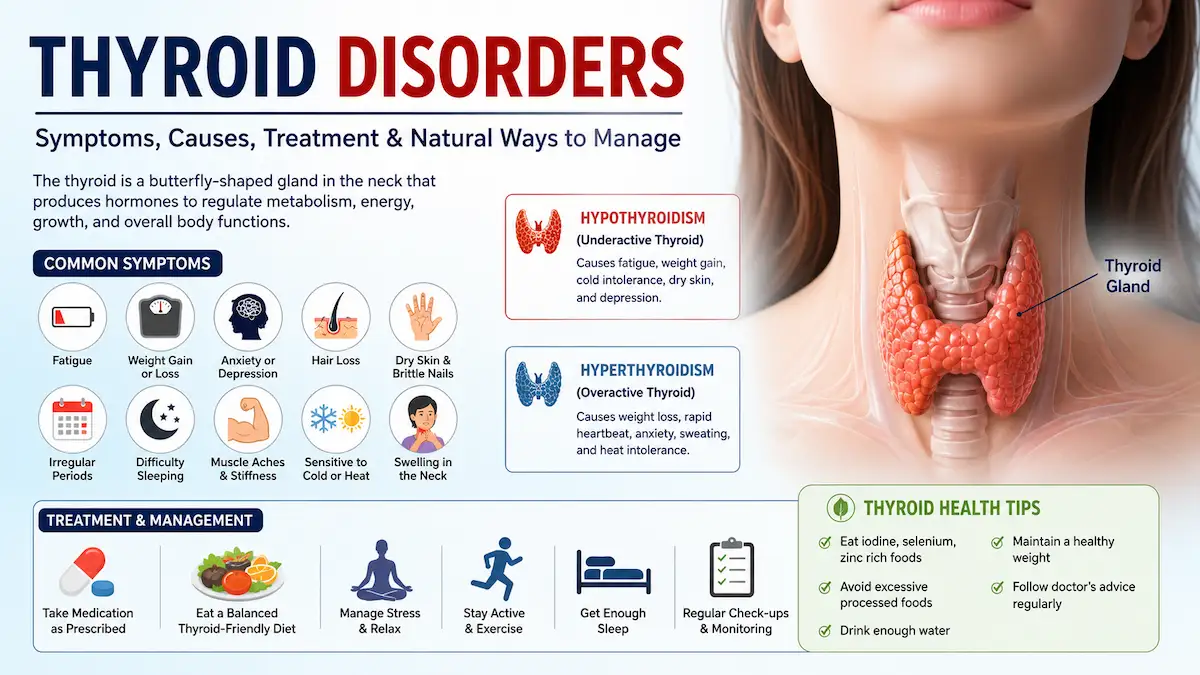
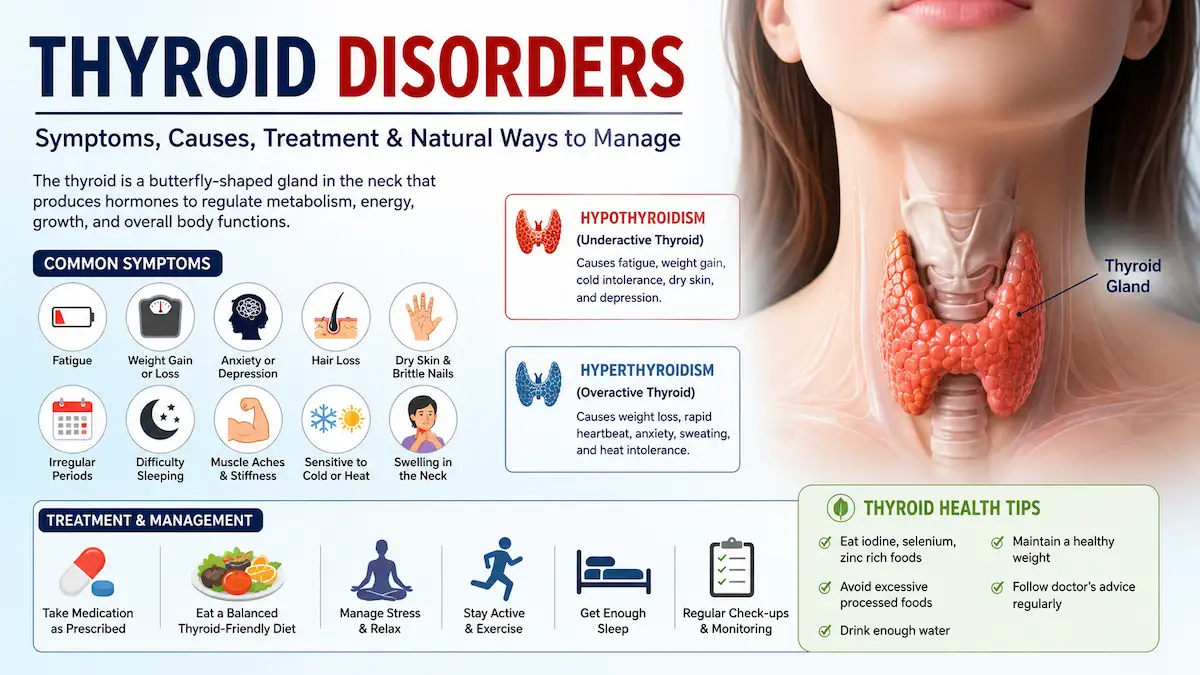
The thyroid is a small butterfly-shaped gland located at the front of your neck, just below the Adam’s apple. Although it weighs only about 20–30 grams, it plays a vital role in maintaining your body’s overall health.
The thyroid gland produces two important hormones:
Triiodothyronine (T3)
Thyroxine (T4)
These hormones regulate numerous body functions, including:
Heart rate
Body temperature
Energy production
Brain development
Digestion
Muscle function
Growth and development
The production of thyroid hormones is controlled by the pituitary gland through Thyroid-Stimulating Hormone (TSH).
When the thyroid produces too much or too little hormone, it can lead to a thyroid disorder, affecting nearly every organ in the body.
Types of Thyroid Disorders
There are several thyroid conditions, but the two most common are:
1. Hypothyroidism (Underactive Thyroid)
Hypothyroidism occurs when the thyroid gland does not produce enough thyroid hormones.
Common Causes
Autoimmune disease (Hashimoto’s thyroiditis)
Iodine deficiency
Thyroid surgery
Certain medications
Radiation therapy
Congenital thyroid disorders
Symptoms of Hypothyroidism
Constant fatigue
Weight gain
Dry skin
Hair thinning or hair loss
Depression
Slow heart rate
Puffy face
Muscle weakness
Cold intolerance
Memory problems
Heavy or irregular menstrual periods
2. Hyperthyroidism (Overactive Thyroid)
Hyperthyroidism occurs when the thyroid gland produces excessive thyroid hormones, causing the body’s metabolism to speed up.
Common Causes
Graves’ disease
Thyroid nodules
Thyroid inflammation
Excess iodine intake
Certain medications
Symptoms of Hyperthyroidism
Rapid heartbeat
Sudden weight loss
Nervousness
Tremors
Excessive sweating
Heat intolerance
Frequent bowel movements
Difficulty sleeping
Muscle weakness
Irregular menstrual cycle
Enlarged thyroid (Goiter)
Common Symptoms of Thyroid Disorders
Many thyroid symptoms develop gradually and are often mistaken for stress or aging.
Watch for these warning signs:
Persistent tiredness
Unexplained weight gain or loss
Dry skin
Brittle nails
Mood changes
Depression or anxiety
Difficulty concentrating
Sleep disturbances
Muscle pain
Joint stiffness
Cold or heat sensitivity
Neck swelling
Hoarse voice
Changes in heart rate
Menstrual irregularities
If you experience several of these symptoms together, consult a healthcare professional for evaluation.
What Causes Thyroid Disorders?
Several factors can contribute to thyroid disease, including:
Family history
Autoimmune diseases
Iodine deficiency
Pregnancy
Viral infections
Radiation exposure
Thyroid surgery
Certain medications
Aging
Hormonal changes
Women are significantly more likely than men to develop thyroid disorders.
How Is Thyroid Disease Diagnosed?
Doctors usually diagnose thyroid disorders using:
Blood Tests
TSH (Thyroid-Stimulating Hormone)
Free T3
Free T4
Thyroid antibody tests
Imaging Tests
Thyroid ultrasound
Radioactive iodine uptake scan
Thyroid scan (when needed)
Early diagnosis helps prevent long-term complications.
Treatment for Thyroid Disorders
Treatment depends on the specific thyroid condition.
Treatment for Hypothyroidism
The standard treatment involves thyroid hormone replacement therapy.
Doctors commonly prescribe synthetic levothyroxine, which replaces the missing thyroid hormone and helps restore normal body function.
Regular blood tests are necessary to ensure the dosage remains appropriate.
Treatment for Hyperthyroidism
Treatment options may include:
Anti-thyroid medications
Radioactive iodine therapy
Beta-blockers to manage symptoms
Thyroid surgery in selected cases
The most suitable treatment depends on age, overall health, and the underlying cause.
Can Thyroid Disorders Be Cured?
Most thyroid disorders cannot be permanently cured, but they can be effectively managed with proper treatment and healthy lifestyle habits.
Many people with thyroid disease live completely normal and active lives by following their doctor’s recommendations.
Natural Ways to Support Thyroid Health
While natural remedies cannot replace prescribed medication, healthy lifestyle choices can support thyroid function.
1. Take Your Medication Correctly
Always take thyroid medication exactly as prescribed.
Avoid skipping doses and attend regular follow-up appointments.
2. Eat a Balanced Thyroid-Friendly Diet
Include foods rich in:
Iodine (iodized salt, seafood)
Selenium (Brazil nuts, eggs, tuna)
Zinc (pumpkin seeds, beans)
Iron (spinach, lentils)
Vitamin D
Protein-rich foods
Fresh fruits and vegetables
Limit highly processed foods and excessive sugar intake.
3. Exercise Regularly
Physical activity helps:
Improve metabolism
Maintain a healthy weight
Reduce fatigue
Improve mood
Support heart health
Aim for 30–45 minutes of moderate exercise at least five days a week.
4. Manage Stress
Chronic stress may worsen thyroid symptoms.
Healthy stress-management techniques include:
Meditation
Deep breathing exercises
Walking
Spending time outdoors
Quality sleep
5. Get Enough Sleep
Adults should aim for 7–9 hours of quality sleep every night to support hormone balance and overall health.
6. Schedule Regular Thyroid Checkups
Routine blood tests help your healthcare provider monitor thyroid hormone levels and adjust treatment when necessary.
Never stop thyroid medication without medical advice.
Possible Complications of Untreated Thyroid Disorders
Without treatment, thyroid disease can lead to serious health problems, including:
Heart disease
High cholesterol
Infertility
Pregnancy complications
Osteoporosis
Depression
Memory impairment
Myxedema (severe hypothyroidism)
Thyroid storm (life-threatening hyperthyroidism)
Early diagnosis and treatment greatly reduce these risks.
Tips to Maintain a Healthy Thyroid
Eat a nutritious, balanced diet.
Maintain a healthy body weight.
Exercise regularly.
Manage stress effectively.
Get enough sleep.
Avoid smoking.
Limit excessive iodine supplements unless advised by a doctor.
Take medications exactly as prescribed.
Have regular thyroid function tests if you’re at risk.
Conclusion
The thyroid gland may be small, but it has a major impact on your body’s overall health. Whether you have hypothyroidism or hyperthyroidism, early diagnosis, appropriate medical treatment, and healthy lifestyle habits can help you effectively manage the condition. If you notice persistent symptoms such as fatigue, unexplained weight changes, hair loss, or neck swelling, consult your healthcare provider promptly. With proper care and regular monitoring, most people with thyroid disorders can enjoy healthy, active lives.