
Oil Crisis in India: Causes & Government Response
Explore the causes of the oil crisis in India and the government's response to mitigate its impact. Understand how this crisis affects the economy and daily life in India.
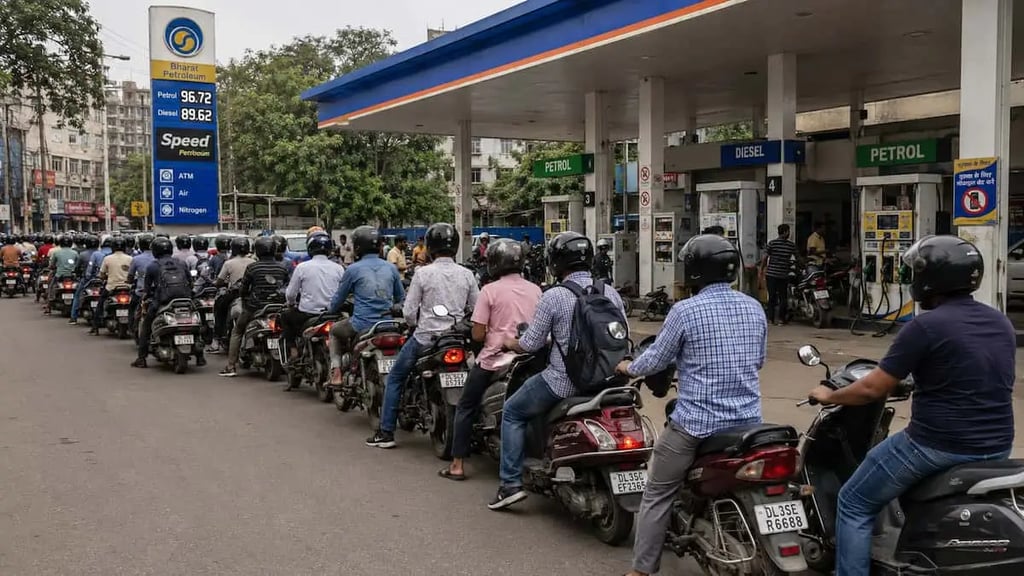
Oil Crisis in India: Causes, Economic Impact, and Government Response
India is currently facing a growing oil crisis that is affecting the economy, businesses, and the daily lives of millions of citizens. Rising fuel prices, increasing dependence on imported crude oil, and global geopolitical tensions have intensified the situation. As one of the world’s largest oil consumers, India heavily relies on petroleum products to power transportation, industries, agriculture, and households. The ongoing crisis has sparked widespread discussions about energy security, inflation, and the effectiveness of government policies.
Why Oil is Important for India’s Economy
Oil plays a crucial role in India’s economic development. From transportation and manufacturing to agriculture and logistics, almost every major sector depends on fuel. With a rapidly growing population and expanding urbanization, India’s energy demand continues to rise every year.
However, the country imports a large portion of its crude oil requirements from foreign nations. This dependency makes India vulnerable to fluctuations in global crude oil prices. Whenever international oil prices increase, fuel prices in India also rise, directly impacting consumers and businesses.
The increasing cost of petrol and diesel has raised the cost of living across the country. Essential goods and services become more expensive because transportation and operational costs increase. Middle-class and low-income families are particularly affected, as a significant portion of their monthly income goes toward fuel and transportation expenses.
Major Causes Behind the Oil Crisis in India
Several global and domestic factors have contributed to the current oil crisis in India.
1. Rising Global Crude Oil Prices
International crude oil prices have witnessed sharp fluctuations due to geopolitical conflicts, supply chain disruptions, and instability in major oil-producing regions such as the Middle East. These global events directly affect India because the country depends heavily on imported crude oil.
2. Increasing Domestic Demand
India’s growing economy and rapid urbanization have significantly increased fuel consumption. More vehicles on roads, expanding industries, and higher transportation needs have created massive demand for petroleum products.
3. High Taxes on Fuel
Government taxes and excise duties on petrol and diesel are another major reason behind rising fuel prices. Even when international oil prices fall, consumers may not experience major relief because taxes continue to keep prices high.
4. Inflation and Economic Pressure
The oil crisis also contributes to inflation. Higher fuel costs increase transportation and manufacturing expenses, which eventually raise the prices of goods and services. Businesses face higher operational costs, while consumers experience reduced purchasing power.
US Israel and iran war impact and updates
Impact of the Oil Crisis on Common People
The oil crisis has created financial stress for households across India. Rising fuel prices affect not only vehicle owners but also people who rely on public transportation and daily essentials.
Key impacts include:
Increased transportation costs
Higher food and commodity prices
Rising electricity and manufacturing costs
Reduced savings for middle-class families
Financial pressure on small businesses and farmers
Industries such as logistics, agriculture, and manufacturing are among the hardest hit because they depend heavily on fuel for operations and transportation. The overall supply chain becomes more expensive, leading to inflation across multiple sectors.
Also read: West Bengal Election 2026
Why Critics Say Modi’s Government Failed to Handle the Oil Crisis
Critics of Narendra Modi usually point to several issues:
1. Heavy Dependence on Imported Oil
India imports more than 80% of its crude oil needs. That means whenever global prices rise, India gets hit hard. Critics argue that stronger long-term energy diversification should have happened earlier.
2. High Fuel Taxes
Even when global crude prices previously fell, petrol and diesel prices in India often remained high because of central and state taxes. Many economists argue the government relied heavily on fuel taxes for revenue instead of passing full benefits to consumers.
3. Delayed Price Adjustments
Some reports suggest fuel price hikes were politically delayed during elections, which later increased pressure on oil companies and consumers.
4. Slow Transition to Alternative Energy
India has invested in solar and renewable energy, but critics say the transition is still too slow compared to the country’s growing energy demand.
5. Inflation and Rupee Pressure
Higher oil prices weaken the rupee, increase import bills, and raise inflation. This affects transportation, food prices, electricity, and manufacturing costs.
Future Solutions to India’s Oil Crisis
To reduce the long-term impact of the oil crisis, India must adopt a diversified and sustainable energy strategy.
Renewable Energy Expansion
Investing in solar, wind, and other renewable energy sources can reduce dependence on imported oil and improve environmental sustainability.
Energy Diversification
India can strengthen energy security by expanding the use of natural gas, nuclear energy, and alternative fuels.
Fuel Tax Reforms
Reducing taxes on petrol and diesel could provide immediate relief to consumers and businesses struggling with rising fuel prices.
International Cooperation
Building stronger relationships with oil-producing countries and participating in global energy partnerships can help India secure stable energy supplies.
Promoting Energy Efficiency
Encouraging fuel-efficient vehicles, electric mobility, and energy conservation practices can help reduce overall oil consumption.
Conclusion
The oil crisis in India remains a serious challenge that affects economic growth, inflation, businesses, and household budgets. Rising global crude oil prices, increasing domestic demand, and high fuel taxes have intensified the problem. While the government has taken steps to address the crisis through subsidies, renewable energy investments, and domestic production initiatives, long-term solutions require stronger policies and sustainable energy strategies.
India’s future energy security will depend on how effectively the country diversifies its energy sources, promotes renewable energy, and reduces dependence on imported oil. With the right reforms and investments, India can overcome the current crisis and build a more stable and sustainable energy future.
MicroNews © 2025
MicroNews empowers the generation of tomorrow for a brighter future and hope for every individual.
Thanks For Touch with us
We care about your data in our privacy policy.
Popular Post
Top 10 Calcium-Rich Vegetables for Strong Bones & Better Health
Patala Garuda (Rauvolfia serpentina): Health Benefits, Ayurvedic Uses
Ganga Siuli (Parijata Tree): Benefits, Uses, and Medicinal Properties
Freelancing Explained: How to Start, Earn, and Succeed as a Freelancer
Turmeric Benefits: Uses, Nutrition, Ayurveda Importance & Side Effects
Science of Longevity: New Research Reveals How Diet May Shape Lifespan