
Iran-Israel-US Conflict: Causes, Key Players, Military Tensions, and Global Impact
The tensions between Iran Israel US conflict represent one of the most complex geopolitical conflicts in the modern Middle East. The dispute involves decades of political rivalry, ideological differences, security concerns, and regional power struggles. According to reporting from agencies such as Reuters and Associated Press, these tensions influence global diplomacy, energy markets, and regional stability.
This article explains the history, key actors, military strategies, humanitarian impact, and future outlook of the Iran-Israel-US conflict based on verified information from international institutions and global media.
Historical Background of the Iran–Israel–US Conflict
The roots of the modern conflict largely trace back to the 1979 Iranian Revolution.
In 1979, Iran’s monarchy was overthrown during the Iranian Revolution, leading to the establishment of an Islamic Republic under Ruhollah Khomeini. The new government adopted strong anti-Western policies and openly opposed Israel’s existence.
Before the revolution, Iran had relatively normal relations with Israel and strong ties with the United States. However, after 1979:
Iran labeled Israel an illegitimate state.
The US-Iran relationship deteriorated after the Iran Hostage Crisis.
Iran began supporting groups opposing Israel in the Middle East.
These developments created the foundation for the ongoing geopolitical confrontation.
Iran’s Nuclear Program and International Concerns
One of the most significant sources of tension is Iran’s nuclear program.
According to the International Atomic Energy Agency (IAEA), Iran maintains that its nuclear activities are for peaceful energy purposes. However, Israel and several Western countries argue that the program could enable nuclear weapons development.
In 2015, Iran and major global powers signed the Joint Comprehensive Plan of Action (JCPOA), designed to limit Iran’s nuclear activities in exchange for sanctions relief.
Participants included:
United States
United Kingdom
France
Russia
China
Germany
European Union
However, in 2018 the United States withdrew from the agreement under the administration of Donald Trump and reimposed economic sanctions on Iran, escalating tensions once again.
Key Players in the Regional Conflict
Iran
Iran is a major regional power with significant military capabilities.
Key characteristics include:
Large missile arsenal
Regional influence through allied groups
Strategic partnerships with countries such as Russia and Syria
Iran also supports armed groups including:
Hezbollah in Lebanon
Hamas in Gaza
Palestinian Islamic Jihad
Western governments often describe these groups as militant organizations.
Israel
Israel considers Iran its most significant strategic threat.
The country maintains one of the most technologically advanced militaries in the world, including:
Advanced cyber capabilities
Missile defense systems like Iron Dome
Highly capable air force
Although Israel has never officially confirmed it, experts widely believe the country possesses nuclear weapons.
Israel frequently conducts military operations targeting Iranian positions or weapons transfers in Syria and Lebanon.
United States
The United States remains Israel’s strongest ally.
According to reports from the U.S. Department of Defense and coverage by BBC News:
The US provides billions of dollars in military aid to Israel.
Intelligence sharing between the two countries is extensive.
The US maintains military bases throughout the Middle East.
At the same time, Washington has repeatedly attempted diplomatic negotiations with Iran regarding nuclear activities and regional stability.
Major Military Tensions and Strategies
The conflict is rarely fought directly between Iran and Israel. Instead, it often occurs through proxy conflicts and covert operations.
Common strategies include:
Proxy Warfare
Iran supports regional groups that oppose Israel, particularly in Lebanon and Gaza.
Cyber Warfare
Both Iran and Israel have been accused of cyberattacks targeting infrastructure and strategic systems.
Drone and Missile Technology
Iran has significantly expanded its drone and ballistic missile capabilities, which are considered a major security concern for Israel.
Precision Airstrikes
Israel regularly conducts airstrikes targeting Iranian military facilities and weapons shipments in Syria.
According to Reuters and Associated Press, these strikes aim to prevent advanced weapons from reaching Hezbollah.
Humanitarian and Economic Impact
Conflicts connected to the Iran-Israel rivalry have severe humanitarian consequences across the Middle East.
According to data and statements from the United Nations:
Thousands of civilians have been killed in regional conflicts.
Millions of people have been displaced.
Infrastructure including hospitals, schools, and homes has been destroyed.
The economic consequences are also significant.
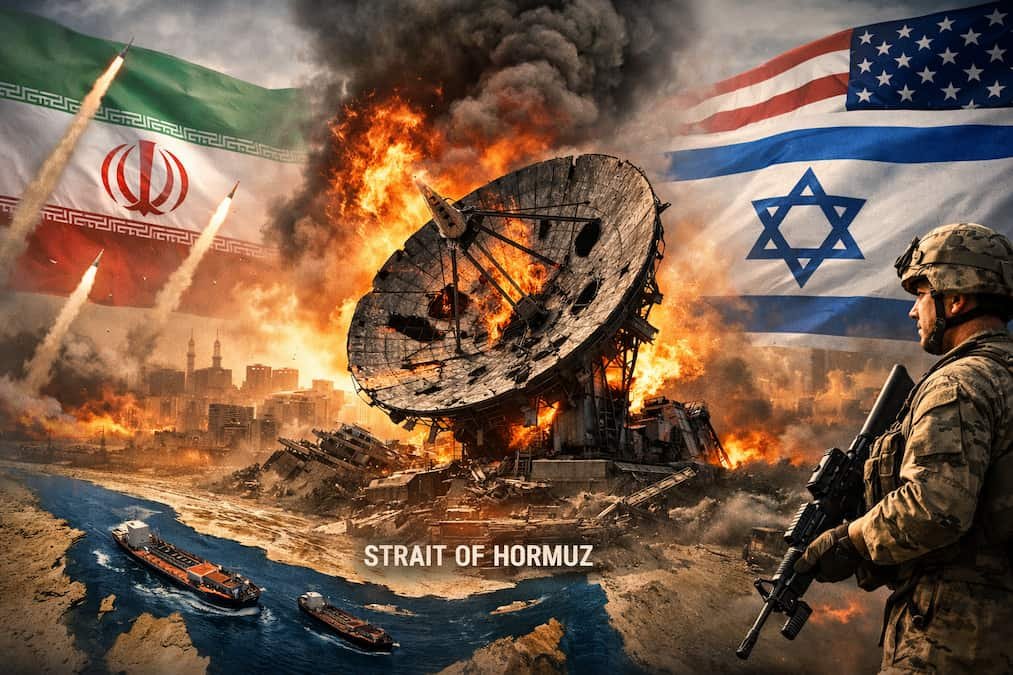
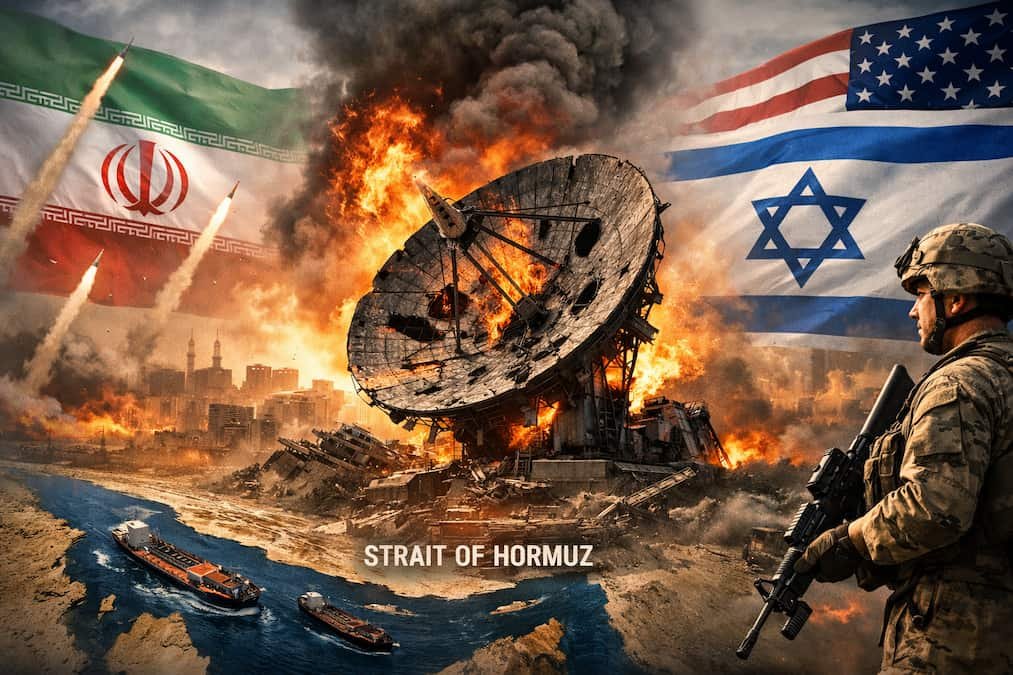
Rising tensions in the Middle East frequently influence global oil markets because the region supplies a large portion of the world’s petroleum. Disruptions in supply routes, particularly around the Strait of Hormuz, can affect international energy prices.
Global Reactions and Diplomatic Efforts
Many international organizations and countries continue to push for diplomatic solutions.
The United Nations has repeatedly called for:
De-escalation of hostilities
Renewed negotiations on nuclear issues
Regional security dialogue
Countries such as Russia and China have supported negotiations with Iran, while European nations have attempted to revive nuclear agreements through diplomatic initiatives.
Despite these efforts, political disagreements and regional rivalries continue to complicate peace negotiations.
Impact on Global Politics and Security
The Iran-Israel-US conflict significantly influences international relations.
Key geopolitical effects include:
Shifting alliances in the Middle East
Increased military spending
Strategic competition among global powers
Regional conflicts in places like Syria, Lebanon, and Gaza are often influenced by the broader rivalry between Iran and Israel.
Security analysts warn that miscalculations or escalation could potentially trigger a wider regional conflict involving multiple countries.
Future Outlook: Can the Conflict Be Resolved?
Resolving tensions between Iran, Israel, and the United States remains extremely challenging.
However, experts suggest several possible paths toward stability:
Renewed nuclear negotiations
Regional security agreements
Increased diplomatic engagement
Confidence-building measures between rival states
Many international observers believe sustained diplomacy and economic cooperation may eventually reduce tensions, although the process could take many years.
Civilian and Military Losses Could Be Significant
As of March 6, 2026, the current active campaign—codenamed Operation Epic Fury (US) and Operation Roaring Lion (Israel)—has resulted in significant human, military, and economic losses across the Middle East.
1. Human Casualties (Estimated as of March 2026)
The human cost has risen sharply since the joint US-Israeli strikes began on February 28, 2026.
Iran 1,000 – 1,500+ death and 5,400+ Injured Includes senior leadership (Supreme Leader Ali Khamenei) and military commanders.
Israel 12 – 30+ death and 1,200+ Injured Mostly from retaliatory missile/drone strikes on civilian areas.
United States 6 – 10+ death 20+ Primarily personnel stationed in Kuwait and Jordan; includes friendly fire incidents.
Third Parties death Varies, Hundreds Casualties reported in Kuwait, Bahrain, UAE.
2. Military & Strategic Losses
The war has seen the largest direct exchange of firepower in the region’s history, targeting high-value assets.
Iranian Leadership: On February 28, 2026, a strike on Tehran killed Supreme Leader Ali Khamenei and approximately 40 high-ranking officials, leading to the formation of an Interim Leadership Council.
Air Defenses & Missiles: The US and Israel have conducted over 2,000 strikes, reportedly destroying 90% of Iran’s air defense systems and a significant portion of its ballistic missile launchers.
Naval Assets: The US Navy reported sinking at least 18 Iranian warships and one submarine to keep the Strait of Hormuz open.
US Aircraft: Three American F-15E Strike Eagles were accidentally shot down by Kuwaiti air defenses during the chaos of the initial Iranian retaliation.
Proxy Groups: Israel has intensified strikes on Hezbollah in Lebanon (over 320 targets hit) and militias in Iraq and Syria, significantly degrading the “Axis of Resistance.”
Summary of Losses (as of March 6, 2026)
Loss Count US Radars- At least 3 major systems (THAAD, FPS-132) damaged/destroyed.
US Personnel 6 killed, 20+ injured (confirmed by US).
School Students 165+ killed in a single strike in Minab; total schoolgirls aged 7 to 12. >181.
Iranian Leadership Supreme Leader Ali Khamenei and 40+ top officials killed.
3. Economic and Infrastructure Damage
The war has triggered a global economic crisis due to the region’s role in energy production.
Oil & Energy: Iran’s closure of the Strait of Hormuz caused global oil prices to skyrocket. Refineries in Haifa (Israel) and oil depots in Tehran have sustained direct hits.
Financial Cost: The Center for Strategic and International Studies (CSIS) estimated the cost of the first 100 hours of the 2026 conflict at $3.7 billion.
Civilian Infrastructure: Airports in Kuwait, the UAE, and Oman have been targeted by Iranian drones. In Iran, communication networks (internet) and power grids have suffered widespread disruptions.
Nuclear Program: While the IAEA reports no “visible” damage to nuclear reactors as of March 2, Israel claims to have “set the program back years” by striking centrifuge production sites and underground facilities.
4. Geopolitical Fallout
Syria: The Assad regime, a long-term Iranian ally, was reportedly overthrown by rebel forces in early 2026 as Iranian support evaporated.
Regional Shifts: Gulf states (Bahrain, UAE, Qatar) have been pulled into the line of fire for hosting US bases, ending years of diplomatic “hedging.”
Global Tensions: Russia and China have officially condemned the US-Israeli strikes as violations of sovereignty, though neither has intervened militarily.
Conclusion
The geopolitical rivalry between Iran, Israel, and the United States continues to shape the political landscape of the Middle East and global security. Rooted in historical grievances, nuclear concerns, ideological differences, and regional power struggles, the conflict remains complex and deeply entrenched.
While diplomatic initiatives have occasionally reduced tensions, lasting peace will likely require sustained international cooperation, trust-building measures, and political compromise from all parties involved.
For now, the world continues to closely monitor developments, as the outcome of this conflict has far-reaching implications for regional stability and global security.