
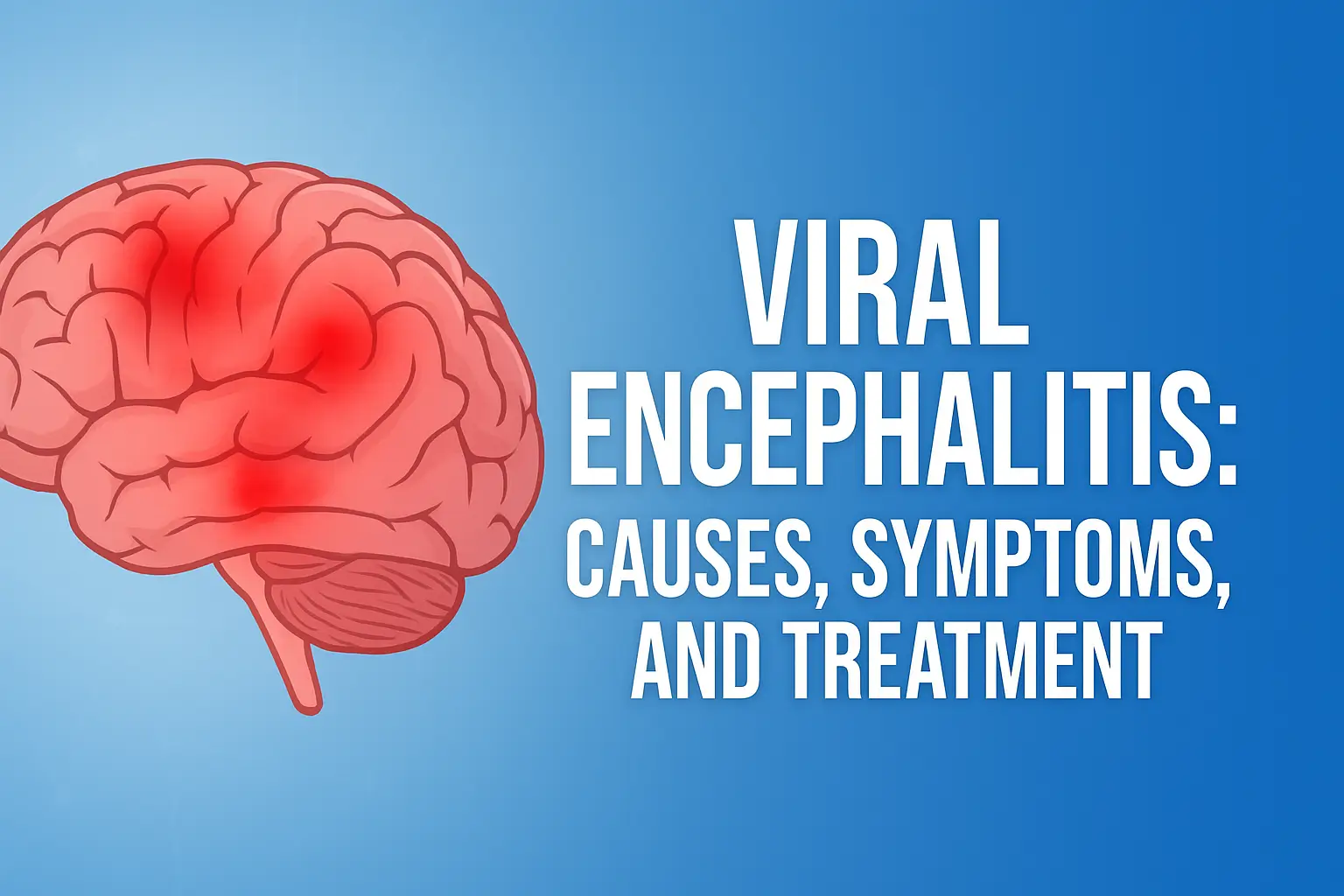
Viral encephalitis is a serious neurological condition caused by a viral infection that leads to inflammation of the brain. This inflammation disrupts normal brain activity and may result in severe complications such as seizures, confusion, memory loss, or even coma. Early diagnosis and treatment are critical to prevent long-term brain damage and improve survival chances.
What is Viral Encephalitis?
Viral encephalitis is defined as brain inflammation triggered by viral infections. Unlike bacterial encephalitis, which is less common, viral forms are the most widespread and often more difficult to prevent. The infection can spread to the brain through the bloodstream, nerve pathways, or direct viral invasion.
Causes of Viral Encephalitis
Several viruses are known to cause encephalitis, including:
- Herpes Simplex Virus (HSV): The most common and dangerous cause of viral encephalitis, often leading to severe brain swelling.
- Arboviruses (mosquito-borne viruses): Such as West Nile virus, Japanese encephalitis virus, and Zika virus.
- Enteroviruses: Common viruses that can affect children, especially in summer and fall.
- Varicella-Zoster Virus: The virus responsible for chickenpox and shingles.
- Measles, Mumps, and Rubella Viruses: Though rare today due to vaccination, they can still cause encephalitis in unvaccinated individuals.
Risk Factors
You may be at higher risk of viral encephalitis if you:
- Are very young or elderly
- Have a weakened immune system
- Live in or travel to regions with high mosquito activity
- Are unvaccinated against measles, mumps, rubella, or Japanese encephalitis
Symptoms of Viral Encephalitis
Symptoms can appear suddenly and range from mild to severe.
Early Symptoms:
- Fever
- Headache
- Fatigue and body aches
Neurological Symptoms:
- Confusion and disorientation
- Difficulty speaking or understanding language
- Memory problems
- Seizures
- Sensitivity to light
- Stiff neck
Severe Symptoms:
- Hallucinations or behavioral changes
- Muscle weakness or paralysis
- Loss of consciousness
- Coma in extreme cases
⚠️ Seek immediate medical attention if severe neurological symptoms appear, as early treatment can be lifesaving.
Diagnosis of Viral Encephalitis
Doctors use multiple methods to confirm viral encephalitis:
- MRI or CT scans – Detect brain swelling and inflammation
- Lumbar puncture (spinal tap) – Analyzes cerebrospinal fluid for viral markers
- Blood tests – Identify specific viral infections
- EEG (electroencephalogram) – Measures electrical brain activity
Treatment for Viral Encephalitis
There is no single cure for viral encephalitis, but treatments can manage the infection and reduce complications.
1. Antiviral Medications
- Acyclovir is commonly prescribed for herpes simplex encephalitis.
- Other antivirals may be used depending on the virus involved.
2. Supportive Care
- Hospitalization for monitoring
- Intravenous fluids
- Oxygen support if breathing problems occur
- Medications to reduce fever and seizures
3. Anti-inflammatory Treatments
- Corticosteroids may be used in severe cases to reduce brain swelling.
4. Rehabilitation
For patients with long-term neurological issues:
- Physical therapy
- Occupational therapy
- Cognitive rehabilitation
Prevention of Viral Encephalitis
While not all cases can be prevented, several strategies lower risk:
- Vaccination against measles, mumps, rubella, and Japanese encephalitis
- Mosquito protection – Use repellents, wear protective clothing, and sleep under nets
- Good hygiene practices – Hand washing and avoiding contact with infected individuals
- Boosting immunity – Through a healthy diet and medical care
Prognosis and Recovery
The outcome depends on:
- The type of virus
- Age and health of the patient
- How quickly treatment was started
Some patients recover fully, while others may experience long-term effects such as memory loss, seizures, or speech difficulties. Early medical intervention improves the chances of recovery significantly.
Conclusion
Viral encephalitis is a life-threatening brain condition that requires urgent medical attention. Recognizing the early symptoms such as fever, headache, and confusion can save lives. Vaccination, mosquito protection, and timely treatment are the best ways to reduce the risk and improve recovery outcomes.
By spreading awareness about viral encephalitis, we can prevent severe complications and improve public health.