
Causes, Symptoms, and Treatment Options for Back Pain
Back pain is one of the most common health problems worldwide, affecting people of all ages and lifestyles. It can range from mild discomfort to severe, disabling pain that interferes with daily activities. Understanding the causes of back pain, recognizing the symptoms, and knowing the best treatment options are essential for long-term relief and prevention.
Common Causes of Back Pain
Back pain is a complex condition with multiple possible causes, from temporary muscle strain to chronic spinal disorders.
Muscle or Ligament Strain
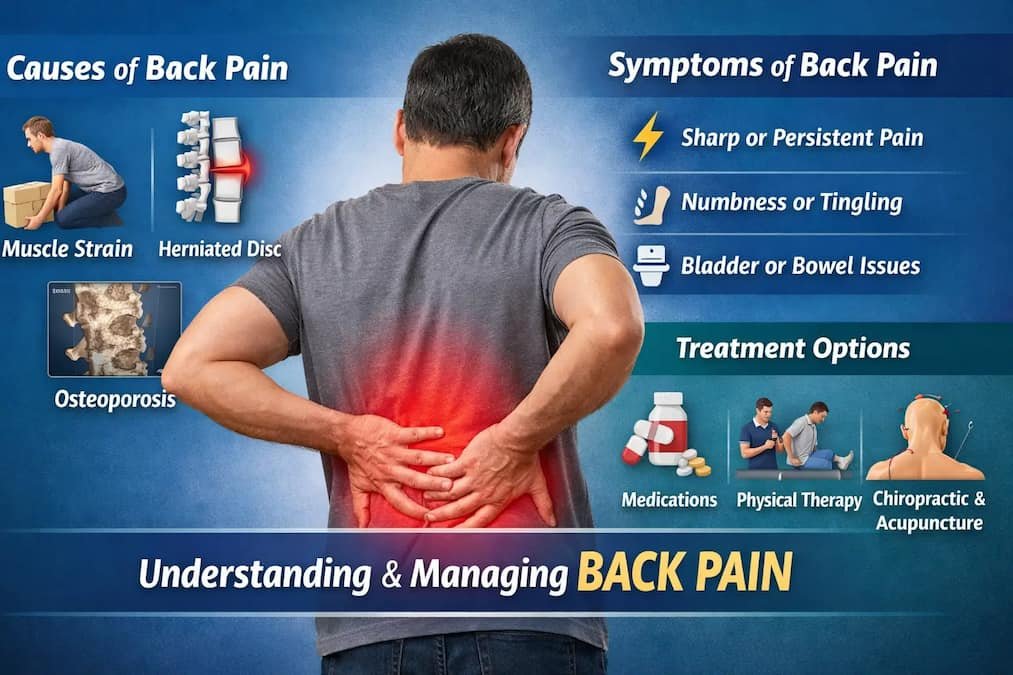
One of the most frequent causes of back pain is muscle or ligament strain. This can occur due to heavy lifting, improper posture, sudden movements, or overuse. Repeated stress on back muscles may lead to painful muscle spasms and stiffness.
Bulging or Herniated Discs
Spinal discs act as cushions between the vertebrae. When a disc bulges or ruptures, it can press on nearby nerves, causing localized pain or pain that radiates to the legs or arms. Disc-related back pain is common among people who sit for long hours or perform repetitive movements.
Arthritis and Spinal Conditions
Arthritis, especially osteoarthritis, can affect the lower back and cause joint inflammation. In some cases, this leads to spinal stenosis, a narrowing of the spinal canal that puts pressure on the nerves and causes chronic back pain.
Osteoporosis
Osteoporosis weakens bones and increases the risk of fractures, including compression fractures in the spine. These fractures can result in sudden or persistent back pain, especially in older adults.
Poor Posture and Sedentary Lifestyle
Prolonged sitting, slouching, or standing incorrectly places excess stress on the spine. Over time, poor posture weakens back muscles and contributes to chronic back pain.
Less Common but Serious Causes
Although rare, infections like osteomyelitis, spinal tumors, or underlying medical conditions such as kidney stones and endometriosis can present as back pain. These causes often require prompt medical evaluation.
Lifestyle Risk Factors
Lack of physical activity weakens supporting muscles
Obesity increases pressure on the spine
Smoking reduces blood flow to spinal tissues and accelerates disc degeneration
Identifying the root cause of back pain is crucial for effective treatment and prevention.
Symptoms of Back Pain
Back pain symptoms vary widely depending on the cause, duration, and severity of the condition.
Acute Back Pain
Acute back pain appears suddenly, often after an injury or strain. Common symptoms include:
Sharp or stabbing pain
Muscle tightness or spasms
Limited range of motion
This type of pain usually improves within a few days to a few weeks with rest and proper care.
Chronic Back Pain
Chronic back pain lasts longer than three months and may not have a clear cause. Symptoms often include:
Persistent dull ache
Intermittent sharp pain
Pain that worsens with activity or prolonged sitting
Chronic pain can significantly affect quality of life and may require long-term management.
Warning Signs That Need Medical Attention
Seek immediate medical care if back pain is accompanied by:
Severe or worsening pain
Numbness, tingling, or weakness in the legs
Loss of bladder or bowel control
These symptoms may indicate nerve compression or serious spinal conditions.
Effective Treatment Options for Back Pain
The best treatment for back pain depends on its cause, severity, and duration. A combination of therapies often delivers the best results.
Medications
Over-the-counter pain relievers like acetaminophen and NSAIDs help reduce pain and inflammation. In some cases, doctors may prescribe muscle relaxants or short-term pain medications.
Physical Therapy and Exercise
Physical therapy is one of the most effective long-term treatments for back pain. Targeted exercises help:
Strengthen core and back muscles
Improve flexibility and posture
Reduce the risk of future injuries
Low-impact activities such as walking, swimming, and yoga are particularly beneficial.
Alternative and Complementary Therapies
Many people find relief through:
Acupuncture, which stimulates pain-relief pathways
Chiropractic care, focused on spinal alignment
Massage therapy, which relaxes tense muscles and improves circulation
Advanced Medical Treatments
For severe or persistent back pain, advanced options may be necessary:
Steroid injections to reduce inflammation
Prescription medications under medical supervision
Surgical procedures like discectomy or spinal fusion in extreme cases
Final Thoughts
Back pain can significantly impact daily life, but understanding its causes, symptoms, and treatment options empowers you to take control of your spinal health. Early diagnosis, lifestyle changes, and the right treatment approach can prevent long-term complications and improve overall well-being.
If back pain persists or worsens, consulting a healthcare professional is essential for accurate diagnosis and personalized treatment.