
Lymphatic System: Functions, Importance & Health Tips
Learn how the lymphatic system detoxifies your body, supports immunity, and why keeping it healthy is essential for long-term wellness. How it Works 24/7—Here’s Why It Matters More Than You Think
Lymphatic System: The Hidden Detox Network That Protects Your Body Every Day
The lymphatic system is one of the most powerful yet least discussed systems in the human body.
While your heart pumps blood, your lymphatic system silently removes toxins, fights infections, and supports immunity—without a pump.
Understanding how it works could change the way you think about your health.
lymphatic system is one of the most vital yet often overlooked systems in the human body. While people are usually familiar with the circulatory or digestive systems, the lymphatic system quietly works behind the scenes to maintain fluid balance, support immune function, and protect the body from infections.
What Is the Lymphatic System?
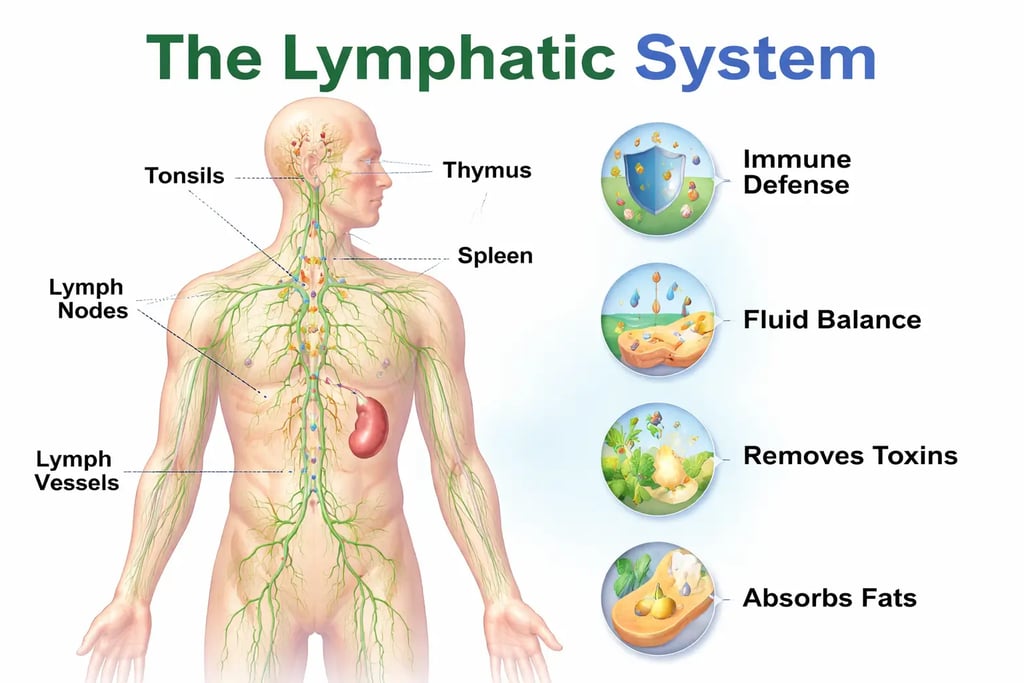
The lymphatic system is a complex network of tissues, vessels, nodes, and organs that help remove toxins, waste, and unwanted materials from the body. It is closely connected to the immune system and plays a key role in defending the body against bacteria, viruses, and other harmful pathogens.
Unlike the circulatory system, which relies on the heart to pump blood, the lymphatic system does not have a central pump. Instead, it depends on muscle movement, breathing, and body motion to circulate lymph fluid throughout the body.
Main Components of the Lymphatic System
The lymphatic system consists of several essential components that work together to maintain health:
1. Lymph
Lymph is a clear or slightly yellowish fluid that flows through the lymphatic vessels. It contains white blood cells, especially lymphocytes, which are crucial for immune defense. Lymph also carries proteins, fats, and waste products away from tissues.
2. Lymphatic Vessels
Lymphatic vessels form an extensive network similar to blood vessels. These vessels collect excess fluid from body tissues and transport it back into the bloodstream, preventing swelling and fluid buildup.
3. Lymph Nodes
Lymph nodes are small, bean-shaped structures located throughout the body, especially in the neck, armpits, chest, abdomen, and groin. They act as filters, trapping bacteria, viruses, and other harmful substances. Swollen lymph nodes often indicate that the lymphatic system is actively fighting an infection.
4. Lymphatic Organs
Several organs are part of the lymphatic system, including:
Spleen: Filters blood and removes old or damaged blood cells
Thymus: Helps in the development of T-lymphocytes (important immune cells)
Tonsils and adenoids: Trap pathogens entering through the mouth and nose
Bone marrow: Produces lymphocytes and other blood cells
Why Lymphatic Health Matters in Today’s Lifestyle
Modern lifestyles involve long hours of sitting, minimal physical activity, processed foods, and chronic stress—all of which can slow down the lymphatic system. Reduced lymph flow may contribute to fatigue, inflammation, frequent infections, and swelling.
As more people focus on immunity and natural detoxification, understanding the lymphatic system has become more relevant than ever.
Health experts emphasize that regular movement, hydration, and breathing exercises play a vital role in maintaining lymphatic flow. Many physiotherapists and wellness practitioners recommend daily walking and deep breathing to support lymphatic circulation naturally.
Functions of the Lymphatic System
The lymphatic system performs multiple critical functions that are essential for survival:
1. Immune Defense
One of the primary roles of the lymphatic system is immune protection. Lymph nodes and lymphatic organs help detect and destroy pathogens. White blood cells produced and stored in the lymphatic system recognize harmful invaders and initiate immune responses.
2. Fluid Balance
The lymphatic system maintains fluid balance by collecting excess fluid from tissues and returning it to the bloodstream. Without this process, fluid would accumulate in tissues, leading to swelling known as edema.
3. Removal of Waste and Toxins
The lymphatic system helps remove cellular waste, toxins, and metabolic byproducts from the body. This detoxification process supports overall health and reduces the burden on organs like the liver and kidneys.
4. Absorption of Fats
Specialized lymphatic vessels in the intestines absorb dietary fats and fat-soluble vitamins (A, D, E, and K) and transport them into the bloodstream. This function is crucial for proper nutrition and energy production.
Importance of the Lymphatic System for Overall Health
A healthy lymphatic system is essential for maintaining immunity, reducing inflammation, and supporting tissue health. When the lymphatic system becomes sluggish or blocked, it can lead to several health issues, including chronic fatigue, frequent infections, swelling, and a weakened immune response.
Conditions such as lymphedema, infections, autoimmune disorders, and even certain cancers can directly affect the lymphatic system. Early awareness and proper care can help prevent complications and support long-term wellness.
Common Disorders of the Lymphatic System
Some common conditions related to the lymphatic system include:
Lymphedema: Swelling caused by blocked or damaged lymphatic vessels
Lymphadenitis: Inflammation of lymph nodes due to infection
Lymphoma: Cancer of the lymphatic system
Tonsillitis: Infection of the tonsils, part of the lymphatic system
Recognizing symptoms early, such as persistent swelling, pain, or unexplained fatigue, is important for timely diagnosis and treatment.
How to Keep the Lymphatic System Healthy
Maintaining a healthy lymphatic system requires a combination of lifestyle habits and self-care practices:
1. Stay Physically Active
Regular exercise helps stimulate lymph flow. Activities like walking, yoga, stretching, and swimming encourage muscle movement, which helps push lymph fluid through the vessels.
2. Stay Hydrated
Drinking enough water keeps lymph fluid thin and flowing smoothly. Dehydration can slow down lymphatic circulation and impair detoxification.
3. Eat a Balanced Diet
A diet rich in fruits, vegetables, lean proteins, and healthy fats supports lymphatic health. Foods high in antioxidants help reduce inflammation and support immune function.
4. Practice Deep Breathing
Deep diaphragmatic breathing acts as a natural pump for the lymphatic system, especially in the chest area where major lymphatic vessels are located.
5. Massage and Dry Brushing
Lymphatic massage and dry brushing can help stimulate lymph flow and reduce fluid retention. These practices are often used as supportive therapies for lymphatic health.
Lymphatic System and Modern Lifestyle
Modern sedentary lifestyles, poor diet, stress, and lack of physical activity can negatively affect the lymphatic system. Prolonged sitting and minimal movement slow lymph circulation, increasing the risk of swelling and toxin buildup. Incorporating simple daily habits such as stretching, walking breaks, and hydration can make a significant difference.
Conclusion
The lymphatic system plays a crucial role in protecting the body, maintaining fluid balance, and supporting immune health. Although it often goes unnoticed, its proper functioning is essential for overall well-being. By understanding the structure and functions of the lymphatic system and adopting healthy lifestyle habits, you can support this vital system and enhance your body’s natural defense mechanisms.
Taking care of your lymphatic system is not just about preventing disease—it’s about promoting long-term health, vitality, and resilience.
Frequently asked questions
❓ What is the main function of the lymphatic system?
The primary function of the lymphatic system is to support immunity, remove waste and toxins, and maintain fluid balance in the body.
❓ Can the lymphatic system detox the body?
Yes, the lymphatic system plays a major role in removing toxins and waste products, supporting the body’s natural detoxification process.
❓ What happens if the lymphatic system is blocked?
A blocked lymphatic system can lead to swelling, frequent infections, inflammation, and conditions like lymphedema.
MicroNews © 2025
MicroNews empowers the generation of tomorrow for a brighter future and hope for every individual.
Thanks For Touch with us
We care about your data in our privacy policy.
Popular Post
Top 10 Calcium-Rich Vegetables for Strong Bones & Better Health
Patala Garuda (Rauvolfia serpentina): Health Benefits, Ayurvedic Uses
Ganga Siuli (Parijata Tree): Benefits, Uses, and Medicinal Properties
Freelancing Explained: How to Start, Earn, and Succeed as a Freelancer
Turmeric Benefits: Uses, Nutrition, Ayurveda Importance & Side Effects
Science of Longevity: New Research Reveals How Diet May Shape Lifespan