
Natural Ways to Boost Your Immune System | 7 Proven Tips
Learn 7 natural ways to boost your immune system with healthy foods, exercise, sleep, hydration, stress management, supplements, and hygiene tips.
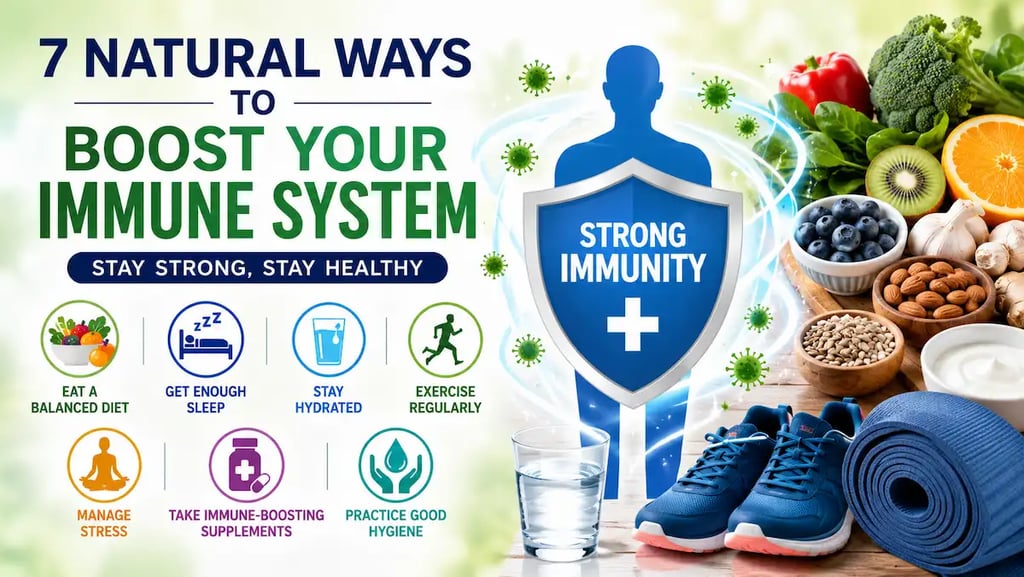
7 Natural Ways to Boost Your Immune System and Stay Healthy
Introduction
A strong immune system is your body's first line of defense against bacteria, viruses, and other harmful pathogens. While no single food or supplement can completely prevent illness, adopting healthy daily habits can significantly improve your immune response.
From eating nutritious foods to getting enough sleep and managing stress, there are many natural ways to support your body's defense system. In this article, we'll explore seven science-backed tips to boost your immune system naturally and maintain better overall health.
1. Eat a Healthy and Balanced Diet
A nutritious diet provides the vitamins, minerals, and antioxidants your immune system needs to function properly. Eating a variety of whole foods helps your body fight infections and recover more quickly.
Include these immune-supporting foods in your daily meals:
Fresh fruits such as oranges, berries, kiwi, and papaya
Green leafy vegetables like spinach, kale, and broccoli
Whole grains including oats, brown rice, and quinoa
Lean protein sources such as fish, eggs, beans, and chicken
Healthy fats from nuts, seeds, olive oil, and avocados
Foods rich in Vitamins A, C, D, E, zinc, selenium, and iron are especially beneficial for maintaining a healthy immune system.
2. Get Quality Sleep Every Night
Sleep is one of the most important factors for maintaining a healthy immune response. During sleep, your body repairs damaged tissues and produces immune cells that help fight infections.
Adults should aim for 7–9 hours of quality sleep each night.
Tips for better sleep include:
Maintain a consistent bedtime.
Avoid screens before sleeping.
Keep your bedroom cool and dark.
Limit caffeine in the evening.
Poor sleep can increase your risk of catching common illnesses and slow your recovery.
3. Stay Properly Hydrated
Water is essential for every cell in your body, including those involved in your immune system. Proper hydration helps transport nutrients, remove toxins, regulate body temperature, and keep your organs functioning efficiently.
Try to drink 2–3 liters of water daily, depending on your activity level and climate.
You can also stay hydrated by consuming:
Coconut water
Fresh fruit juices (without added sugar)
Herbal teas
Water-rich fruits like watermelon and cucumber
4. Exercise Regularly
Moderate physical activity strengthens the immune system by improving blood circulation and helping immune cells move efficiently throughout the body.
Aim for at least 30 minutes of exercise five days a week.
Excellent immune-supporting exercises include:
Brisk walking
Jogging
Cycling
Yoga
Strength training
Regular exercise also reduces inflammation and supports heart health, making your body more resilient.
5. Reduce Stress Naturally
Long-term stress increases the production of cortisol, a hormone that can weaken your immune system when levels remain elevated.
Healthy ways to manage stress include:
Meditation
Deep breathing exercises
Listening to music
Reading books
Spending time with family and friends
Practicing gratitude
Taking even 10–15 minutes daily to relax can positively impact both your mental and physical health.
6. Consider Immune-Supporting Supplements
Although food should always be your primary source of nutrients, some people may benefit from supplements if they have nutritional deficiencies.
Common immune-supporting supplements include:
Vitamin C
Zinc
Elderberry (where appropriate)
Always consult a qualified healthcare professional before starting any new supplement, especially if you have underlying health conditions or take prescription medications.
7. Practice Good Hygiene Habits
Maintaining proper hygiene is one of the easiest and most effective ways to reduce the spread of infections.
Healthy hygiene habits include:
Wash your hands with soap and water for at least 20 seconds.
Avoid touching your eyes, nose, and mouth with unwashed hands.
Cover your mouth and nose while coughing or sneezing.
Clean frequently touched surfaces regularly.
Stay home when you're feeling sick to prevent spreading illness.
Good hygiene protects not only you but also those around you.
Additional Tips to Strengthen Your Immunity
Besides the major lifestyle habits above, you can further support your immune system by:
Avoiding smoking and tobacco products
Limiting alcohol consumption
Maintaining a healthy body weight
Spending some time outdoors for natural sunlight exposure
Keeping vaccinations up to date
Eating fermented foods like yogurt and kefir to support gut health
Frequently Asked Questions (FAQs)
What foods help boost immunity naturally?
Citrus fruits, berries, spinach, broccoli, garlic, ginger, yogurt, almonds, sunflower seeds, and fatty fish are among the best foods for supporting immune health.
Can exercise improve immunity?
Yes. Moderate exercise helps improve circulation, reduces inflammation, and enhances the activity of immune cells.
Does stress weaken the immune system?
Yes. Chronic stress can suppress immune function, making you more susceptible to infections and illnesses.
Are immune-boosting supplements necessary?
Most healthy individuals can meet their nutritional needs through a balanced diet. Supplements may be helpful for people with deficiencies but should only be taken after consulting a healthcare provider.
Conclusion
Building a strong immune system doesn't require complicated routines or expensive products. By eating a nutrient-rich diet, staying hydrated, exercising regularly, getting enough sleep, managing stress, practicing good hygiene, and consulting a healthcare professional when considering supplements, you can naturally strengthen your body's defenses.
Consistency is the key to long-term health. Even small lifestyle improvements, practiced daily, can make a significant difference in supporting your immune system and helping you stay healthy throughout the year.
MicroNews © 2025
MicroNews empowers the generation of tomorrow for a brighter future and hope for every individual.
Thanks For Touch with us
We care about your data in our privacy policy.
Popular Post
Top 10 Calcium-Rich Vegetables for Strong Bones & Better Health
Patala Garuda (Rauvolfia serpentina): Health Benefits, Ayurvedic Uses
Ganga Siuli (Parijata Tree): Benefits, Uses, and Medicinal Properties
Freelancing Explained: How to Start, Earn, and Succeed as a Freelancer
Turmeric Benefits: Uses, Nutrition, Ayurveda Importance & Side Effects
Science of Longevity: New Research Reveals How Diet May Shape Lifespan