
Night Sweats in Women Are Rising—Doctors Reveal the Real Reasons
Night sweats in women are more common than ever. Learn the real causes, health risks, and doctor-approved ways to manage excessive sweating at night. #Menopause.
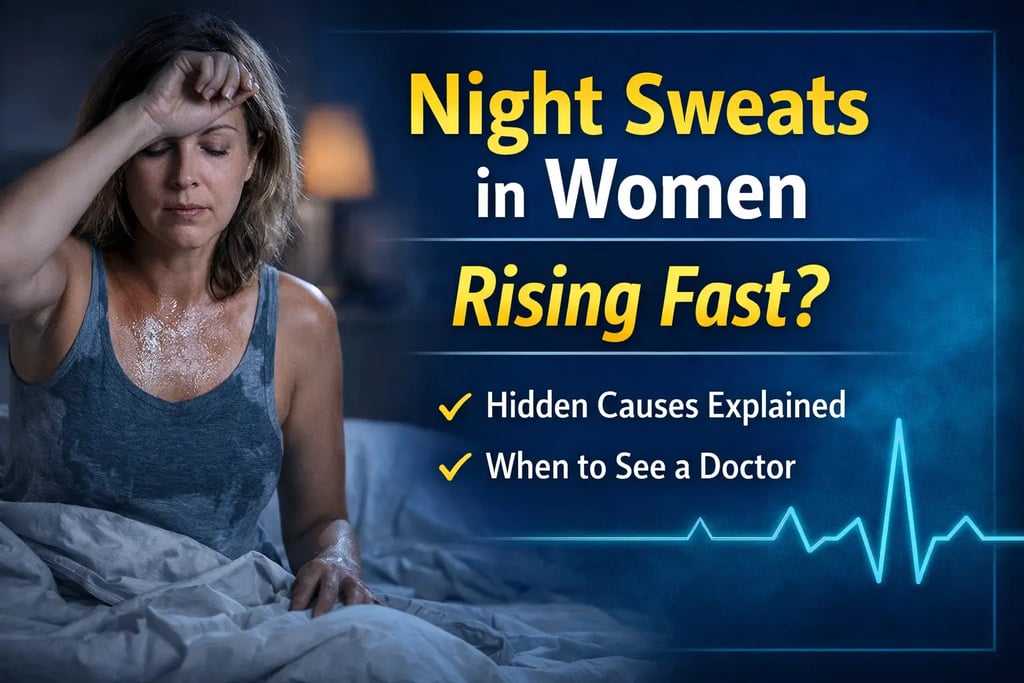
Why Are Night Sweats Increasing in Women? Doctors Explain the Hidden Causes
Night sweats are becoming an increasingly common concern among women, disrupting sleep and affecting daily energy levels. Unlike normal sweating caused by a warm room or heavy blankets, night sweats involve excessive sweating during sleep even in cool conditions. These episodes can soak bedding and nightwear, forcing repeated awakenings and reducing overall sleep quality.
Health experts warn that persistent night sweats should not be ignored, as they may signal hormonal changes or underlying medical conditions. Women experiencing frequent night sweats often report fatigue, mood changes, and difficulty concentrating during the day—clear signs that the body is under stress.
What Exactly Are Night Sweats?
Night sweats are intense episodes of sweating that occur during sleep without any external heat trigger. Unlike mild perspiration, they are severe enough to drench clothes and sheets. While anyone can experience night sweats, women are particularly vulnerable due to hormonal fluctuations.
These episodes often occur during perimenopause and menopause, when estrogen levels fluctuate rapidly. However, doctors note that night sweats can also affect younger women due to stress, medical conditions, or medication side effects.
Understanding the difference between normal sweating and night sweats is essential, as the latter may indicate a deeper health issue requiring attention.
Common Causes of Night Sweats in Women
Medical research highlights several causes behind night sweats in women:
Hormonal Changes
Menopause and perimenopause are the leading causes. Fluctuating estrogen levels interfere with the body’s temperature regulation, triggering night sweats and hot flashes.
Thyroid Disorders
An overactive thyroid (hyperthyroidism) increases metabolism and body heat, often leading to excessive nighttime sweating.
Infections and Chronic Conditions
Certain infections such as tuberculosis and inflammatory conditions may present night sweats as an early symptom.
Medications
Antidepressants, hormone therapies, and fever-reducing drugs can cause night sweats as a side effect.
Lifestyle Triggers
High stress, anxiety, alcohol, caffeine, and spicy foods can stimulate the nervous system and raise body temperature at night.
How Night Sweats Affect Women’s Health
Doctors emphasize that untreated night sweats can lead to chronic sleep deprivation, increasing the risk of weakened immunity, anxiety, weight gain, and hormonal imbalance. Over time, poor sleep can significantly affect mental health and cardiovascular well-being.
Because night sweats can sometimes signal serious conditions, experts recommend medical evaluation if symptoms persist for several weeks.
Effective Ways to Manage and Treat Night Sweats
Health specialists suggest a combination of lifestyle adjustments and medical care:
Keep the bedroom cool and well-ventilated
Wear breathable, moisture-wicking sleepwear
Avoid caffeine, alcohol, and spicy foods before bedtime
Practice stress-reduction techniques like yoga or meditation
For menopause-related night sweats, hormone replacement therapy (HRT) may be recommended under medical supervision. In other cases, treating the underlying condition can significantly reduce symptoms.
When to See a Doctor
You should consult a healthcare provider if night sweats:
Occur frequently
Are accompanied by fever, weight loss, or fatigue
Disrupt sleep for several weeks
Early diagnosis can prevent complications and improve long-term health.
MicroNews © 2025
MicroNews empowers the generation of tomorrow for a brighter future and hope for every individual.
Thanks For Touch with us
We care about your data in our privacy policy.
Popular Post
Top 10 Calcium-Rich Vegetables for Strong Bones & Better Health
Patala Garuda (Rauvolfia serpentina): Health Benefits, Ayurvedic Uses
Ganga Siuli (Parijata Tree): Benefits, Uses, and Medicinal Properties
Freelancing Explained: How to Start, Earn, and Succeed as a Freelancer
Turmeric Benefits: Uses, Nutrition, Ayurveda Importance & Side Effects
Science of Longevity: New Research Reveals How Diet May Shape Lifespan