
Sickle Cell Disease: Causes, Symptoms & Latest Treatments
Learn the causes, symptoms, complications, and modern treatment options for sickle cell disease, a genetic blood disorder affecting millions worldwide. #sickle cell anemia.
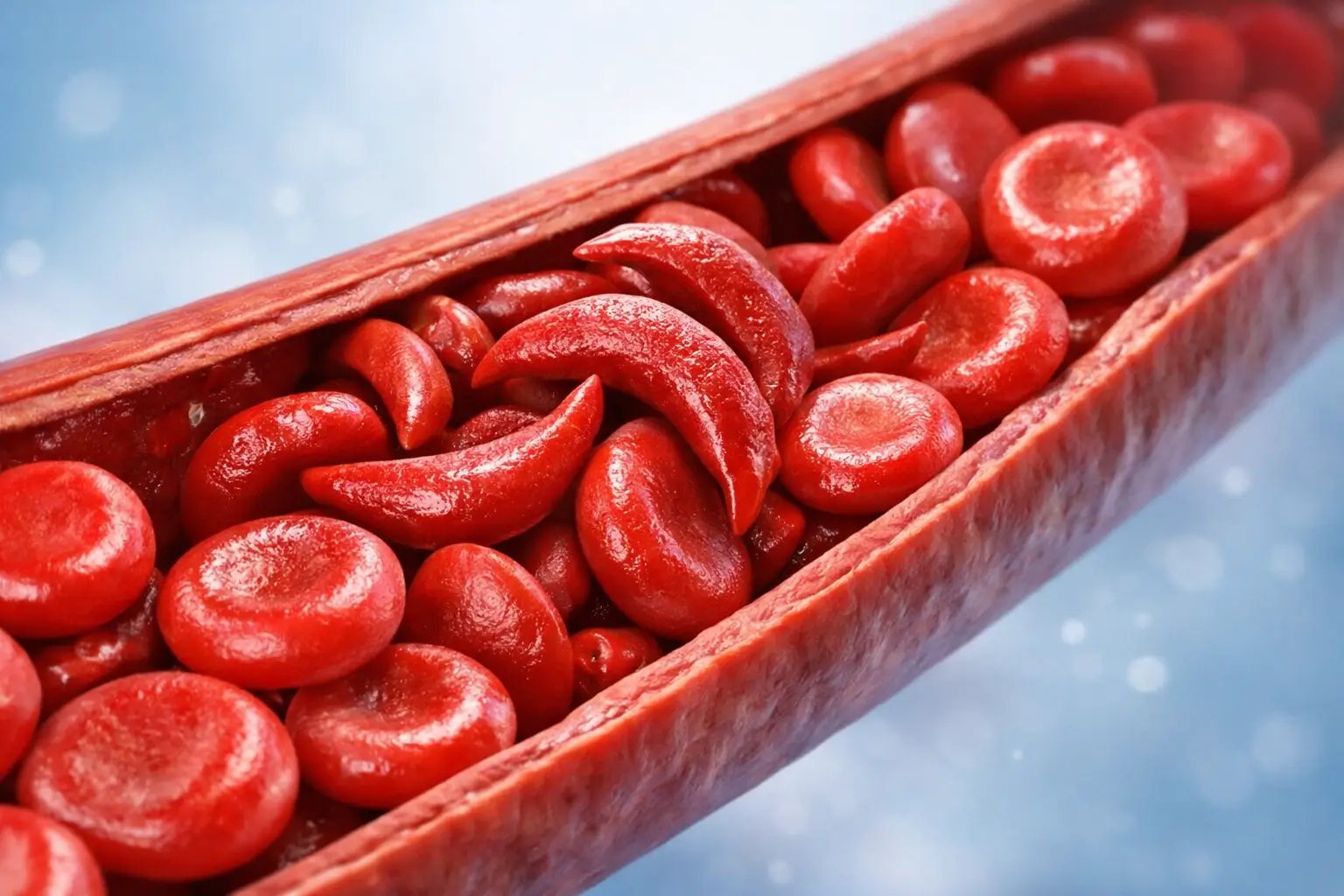

Causes, Symptoms, and Treatment of Sickle Cell Disease
Causes of Sickle Cell Disease
Sickle cell disease (SCD) is a genetic blood disorder caused by a mutation in the hemoglobin subunit beta (HBB) gene. This mutation results in the production of abnormal hemoglobin known as hemoglobin S (HbS). Instead of maintaining a normal round shape, red blood cells become rigid and crescent-shaped, resembling a sickle. These distorted cells do not flow smoothly through blood vessels and can block circulation, leading to pain, infections, and organ damage.
Sickle cell disease follows an autosomal recessive inheritance pattern. For a child to develop the disease, they must inherit two defective HBB genes, one from each parent. Parents who carry only one mutated gene are said to have sickle cell trait. Carriers usually do not show symptoms but can pass the gene to their children. When both parents are carriers, there is:
a 25% chance the child will have sickle cell disease
a 50% chance the child will carry the sickle cell trait
a 25% chance the child will inherit normal hemoglobin genes
SCD is more common in people of African, Mediterranean, Middle Eastern, and Indian ancestry. This higher prevalence is linked to malaria-endemic regions, where carrying one sickle cell gene offers partial protection against malaria. This evolutionary advantage allowed the gene to persist across generations.
Understanding the genetic causes of sickle cell disease is essential for early diagnosis, genetic counseling, and informed family planning. Advances in genetic testing now allow individuals to determine their carrier status and assess the risk of passing the condition to future generations.
Symptoms and Complications of Sickle Cell Disease
Sickle cell disease causes both acute and long-term symptoms due to poor blood flow and reduced oxygen delivery to tissues. The severity of symptoms can vary from person to person.
One of the most common symptoms is a sickle cell pain crisis, also known as a vaso-occlusive crisis. These episodes occur when sickle-shaped red blood cells block small blood vessels, leading to intense pain in the chest, abdomen, back, joints, and bones. Pain crises can last from hours to days and often require medical care.
Another major symptom is chronic anemia, caused by the rapid breakdown of abnormal red blood cells. Anemia leads to fatigue, shortness of breath, dizziness, and pale skin. Swelling of the hands and feet, called dactylitis, is especially common in infants and young children with SCD.
People with sickle cell disease are also at higher risk of frequent infections. Repeated blood vessel blockages can damage the spleen, reducing the body’s ability to fight bacteria. This makes preventive antibiotics and vaccinations extremely important.
Long-term complications of sickle cell disease can affect multiple organs, including:
Kidneys, leading to chronic kidney disease
Liver, causing liver dysfunction
Heart and lungs, increasing the risk of pulmonary hypertension
Brain, raising the risk of stroke, especially in children
Children with SCD may experience delayed growth and puberty, while adults may suffer from chronic pain, leg ulcers, vision problems, and reduced life expectancy. These complications occur because sickled cells are stiff and sticky, causing repeated blockages and oxygen deprivation in vital tissues.
Treatment Options and Management Strategies for Sickle Cell Disease
While there is currently no universal cure for sickle cell disease, effective treatment and long-term management can significantly reduce symptoms and improve quality of life.
One of the most widely used medications is hydroxyurea. This drug helps the body produce more fetal hemoglobin, which reduces the formation of sickle-shaped red blood cells. Hydroxyurea has been proven to decrease pain crises, acute chest syndrome, and the need for hospitalizations.
Blood transfusions are another key treatment, especially for severe anemia and stroke prevention in children. Regular transfusions improve oxygen delivery but require close monitoring to prevent complications such as iron overload.
A bone marrow or stem cell transplant is currently the only potential cure for sickle cell disease. This procedure replaces diseased bone marrow with healthy stem cells from a compatible donor. Although highly effective in some cases, it carries risks and is not suitable for every patient due to donor availability and potential complications.
Preventive care plays a vital role in managing SCD. This includes:
Routine vaccinations
Regular health screenings
Early treatment of infections
Ongoing medical follow-ups
Lifestyle changes also help reduce complications. Patients are encouraged to stay well-hydrated, avoid extreme temperatures, manage stress, and maintain a balanced diet with appropriate physical activity.
Emerging treatments, including gene therapy and gene-editing technologies, offer promising hope for the future. Ongoing clinical trials aim to correct or replace the faulty gene responsible for SCD. In addition, patient education, counseling, and community support systems are essential in helping individuals and families cope with the physical and emotional challenges of living with sickle cell disease.
MicroNews © 2025
MicroNews empowers the generation of tomorrow for a brighter future and hope for every individual.
Thanks For Touch with us
We care about your data in our privacy policy.
Popular Post
Top 10 Calcium-Rich Vegetables for Strong Bones & Better Health
Patala Garuda (Rauvolfia serpentina): Health Benefits, Ayurvedic Uses
Ganga Siuli (Parijata Tree): Benefits, Uses, and Medicinal Properties
Freelancing Explained: How to Start, Earn, and Succeed as a Freelancer
Turmeric Benefits: Uses, Nutrition, Ayurveda Importance & Side Effects
Science of Longevity: New Research Reveals How Diet May Shape Lifespan