
8 Important Functions of the Liver and Why Liver Health Matters
Learn about the important functions of the liver, including metabolism, detoxification, bile production, nutrient storage, and immune defense.
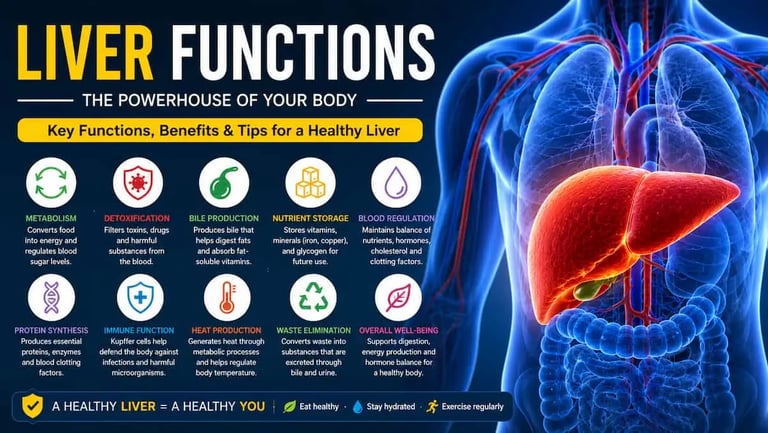
Liver Functions: Why the Liver Is One of the Most Important Organs in the Human Body
The liver is one of the most essential organs in the human body. Located in the upper right side of the abdomen, this large reddish-brown organ performs hundreds of important functions that help the body stay healthy and active. From digestion and metabolism to detoxification and immune defense, the liver plays a central role in maintaining overall health.
Without a properly functioning liver, the body cannot process nutrients, remove toxins, regulate blood composition, or fight infections effectively. Because of its wide range of responsibilities, the liver is often referred to as the body’s natural “chemical factory.”
In this article, we will explore the major functions of the liver, why it is important, common liver-related issues, and tips to keep your liver healthy.
What Is the Liver?
The liver is the largest internal organ in the human body and weighs approximately 1.2 to 1.5 kilograms in adults. It is located just below the diaphragm and above the stomach. The liver receives blood from both the digestive tract and the heart, allowing it to process nutrients and filter harmful substances efficiently.
The liver is unique because it has the ability to regenerate itself. Even if a portion of the liver is damaged or removed, it can regrow and restore its function over time.
Major Functions of the Liver
The liver performs more than 500 vital functions. Here are the most important roles it plays in the body:
1. Metabolism of Nutrients
One of the liver’s primary functions is metabolism. It helps the body process carbohydrates, proteins, and fats from the food we eat.
Carbohydrate Metabolism
The liver regulates blood sugar levels by converting excess glucose into glycogen for storage. When the body needs energy, the liver converts glycogen back into glucose and releases it into the bloodstream.
Protein Metabolism
The liver processes amino acids and helps produce proteins necessary for body growth and repair. It also removes harmful ammonia produced during protein breakdown.
Fat Metabolism
The liver helps break down fats and converts them into energy. It also produces cholesterol and lipoproteins that are needed for normal body functions.
2. Detoxification of Harmful Substances
The liver acts as the body’s natural detoxification center. It filters harmful chemicals, toxins, alcohol, and drugs from the blood.
When toxic substances enter the body, the liver breaks them down into less harmful compounds that can be removed through urine or bile. This detoxification process protects organs and tissues from damage.
Some common substances processed by the liver include:
Alcohol
Medications
Environmental toxins
Chemicals from food
Metabolic waste products
A healthy liver is essential for maintaining clean and toxin-free blood circulation.
3. Bile Production for Digestion
The liver produces bile, a yellow-green digestive fluid that plays a crucial role in fat digestion.
Bile is stored in the gallbladder and released into the small intestine when fatty foods are consumed. It helps emulsify fats, making them easier for digestive enzymes to break down and absorb.
Bile also helps the body absorb fat-soluble vitamins such as:
Vitamin A
Vitamin D
Vitamin E
Vitamin K
Without bile, proper digestion and nutrient absorption would not be possible.
4. Storage of Nutrients and Vitamins
The liver serves as a storage unit for important nutrients, vitamins, and minerals.
It stores:
Glycogen for energy
Iron for red blood cell production
Copper for enzyme function
Vitamin B12
Vitamin D
Vitamin A
When the body requires these nutrients, the liver releases them into the bloodstream.
This storage function helps maintain energy balance and prevents nutrient deficiencies.
5. Regulation of Blood Composition
The liver helps regulate the chemical composition of the blood. It maintains the balance of nutrients, hormones, and other substances required for healthy body function.
The liver also helps control:
Cholesterol levels
Hormone levels
Blood sugar concentration
Blood clotting factors
By maintaining this balance, the liver supports healthy circulation and organ function.
6. Protein Synthesis
The liver produces many important proteins that the body needs to survive.
Albumin Production
Albumin is the most common protein in the blood. It helps maintain blood pressure and transports hormones, vitamins, and medications throughout the body.
Blood Clotting Proteins
The liver produces clotting factors such as fibrinogen and prothrombin, which help stop bleeding when injuries occur.
Without these proteins, even minor injuries could become life-threatening.
7. Immune System Support
The liver plays a significant role in immune defense. Specialized immune cells known as Kupffer cells are located inside the liver.
These cells help destroy:
Bacteria
Dead blood cells
Harmful microorganisms
Since blood from the digestive tract passes through the liver, it acts as a protective barrier against infections entering through food and the digestive system.
8. Heat Production and Energy Regulation
The liver contributes to maintaining normal body temperature through metabolic activity. Chemical reactions occurring in the liver generate heat, which helps regulate body temperature.
The liver also manages energy production and distribution throughout the body, ensuring organs receive adequate fuel for proper functioning.
Why Liver Health Is Important
Because the liver performs so many essential functions, maintaining liver health is extremely important. Liver damage can affect digestion, immunity, blood circulation, and metabolism.
Common liver diseases include:
Fatty liver disease
Hepatitis
Liver cirrhosis
Liver cancer
Alcohol-related liver disease
Many liver conditions develop slowly and may not show symptoms in the early stages. Regular health checkups can help detect liver problems before they become serious.
Signs of Liver Problems
Some common symptoms of liver disease include:
Fatigue
Yellowing of the skin and eyes (jaundice)
Abdominal pain
Swelling in the legs
Dark urine
Nausea
Loss of appetite
Unexplained weight loss
If these symptoms appear, medical attention should be sought immediately.
Tips to Keep Your Liver Healthy
Keeping your liver healthy can improve overall well-being and reduce the risk of disease.
Eat a Balanced Diet
Consume fruits, vegetables, whole grains, and lean proteins. Avoid excessive junk food and sugary drinks.
Stay Hydrated
Drinking enough water helps the liver remove toxins efficiently.
Limit Alcohol Consumption
Excessive alcohol intake is one of the leading causes of liver damage.
Exercise Regularly
Physical activity helps maintain a healthy weight and reduces fatty liver risk.
Avoid Smoking and Drugs
Tobacco and illegal substances can harm liver cells.
Use Medications Carefully
Avoid overuse of painkillers and medications without medical supervision.
Get Vaccinated
Vaccines for hepatitis A and hepatitis B can protect the liver from infection.
Conclusion
The liver is truly one of the most important organs in the human body. It performs a wide range of functions, including metabolism, detoxification, bile production, nutrient storage, immune defense, and protein synthesis. Without the liver, the body would not be able to process nutrients, eliminate toxins, or maintain internal balance.
Maintaining liver health through proper nutrition, exercise, hydration, and healthy lifestyle habits is essential for overall wellness. Since many liver diseases develop silently, regular medical checkups and early detection are key to preventing serious complications.
A healthy liver supports a healthy life, making it important to care for this remarkable organ every day.
Related Stories
MicroNews © 2025
MicroNews empowers the generation of tomorrow for a brighter future and hope for every individual.
Thanks For Touch with us
We care about your data in our privacy policy.
Popular Post
Top 10 Calcium-Rich Vegetables for Strong Bones & Better Health
Patala Garuda (Rauvolfia serpentina): Health Benefits, Ayurvedic Uses
Ganga Siuli (Parijata Tree): Benefits, Uses, and Medicinal Properties
Freelancing Explained: How to Start, Earn, and Succeed as a Freelancer
Turmeric Benefits: Uses, Nutrition, Ayurveda Importance & Side Effects
Science of Longevity: New Research Reveals How Diet May Shape Lifespan