
Cardiovascular Diseases (CVDs): Causes, Symptoms, Risk Factors, Prevention, and Treatment
Introduction
Cardiovascular Diseases (CVDs) are among the leading causes of death worldwide, affecting millions of people each year. Often referred to as “silent killers,” these diseases can develop gradually without noticeable symptoms until a serious event such as a heart attack or stroke occurs.
With rapid urbanization, changing lifestyles, unhealthy dietary habits, and increasing stress levels, cardiovascular diseases have become a major public health concern, especially in developing countries like India.
Understanding the causes, symptoms, risk factors, and prevention strategies for cardiovascular diseases is essential for maintaining a healthy heart and reducing the risk of life-threatening complications.
What Are Cardiovascular Diseases (CVDs)?
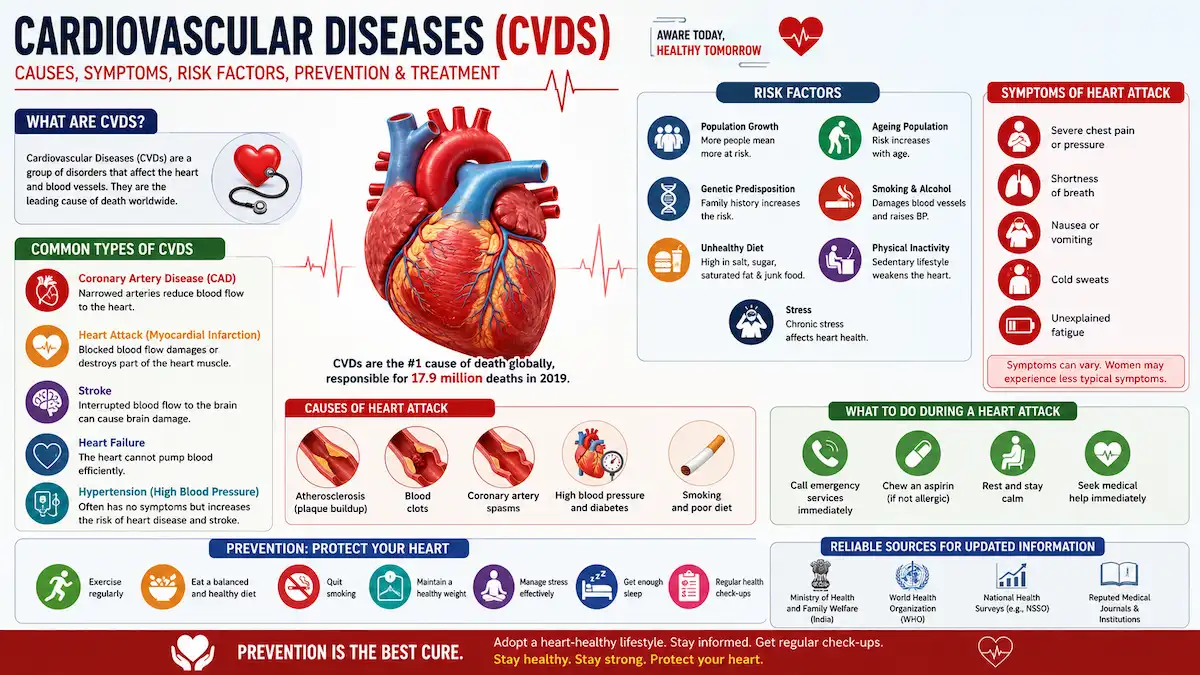
Cardiovascular diseases are a group of disorders that affect the heart and blood vessels. These conditions interfere with the normal functioning of the cardiovascular system and can lead to severe health complications if left untreated.
CVDs remain the leading cause of death globally and contribute significantly to disability, reduced quality of life, and healthcare costs.
Why Are Cardiovascular Diseases Increasing?
The growing prevalence of cardiovascular diseases is linked to several social, economic, and lifestyle changes.
Major Contributing Factors
1. Population Growth
As the global population increases, the number of individuals at risk of developing heart-related conditions also rises.
2. Aging Population
People are living longer than ever before. However, advancing age increases the risk of developing cardiovascular diseases.
3. Genetic Predisposition
A family history of heart disease can significantly increase an individual’s risk of developing cardiovascular conditions.
4. Unhealthy Lifestyle Habits
Modern lifestyles often include behaviors that negatively affect heart health, such as:
Smoking and tobacco use
Excessive alcohol consumption
Poor dietary choices
Physical inactivity
Chronic stress
Inadequate sleep
These habits contribute to conditions such as hypertension, obesity, diabetes, and high cholesterol, which are major risk factors for heart disease.
Urban vs Rural Cardiovascular Disease Risk in India
Studies have shown that cardiovascular diseases are more common in urban populations compared to rural communities.
Reasons for Higher Urban Risk:
Sedentary office-based jobs
Increased consumption of processed and fast foods
Higher stress levels
Reduced physical activity
Rising obesity rates
As rural lifestyles become more urbanized, the burden of cardiovascular disease is also increasing in smaller towns and villages.
Common Types of Cardiovascular Diseases
1. Coronary Artery Disease (CAD)
Coronary artery disease occurs when plaque builds up inside the arteries that supply blood to the heart.
Symptoms:
Shortness of breath
Fatigue
Heart attack in severe cases
2. Heart Attack (Myocardial Infarction)
A heart attack occurs when blood flow to a part of the heart muscle is blocked, causing tissue damage.
Warning Signs:
Severe chest pain
Pain radiating to the arm, neck, jaw, or back
Sweating
Nausea
Difficulty breathing
3. Stroke
A stroke occurs when blood flow to the brain is interrupted due to a blocked or ruptured blood vessel.
Symptoms:
Sudden weakness or numbness
Difficulty speaking
Vision problems
Loss of balance
Severe headache
4. Heart Failure
Heart failure develops when the heart cannot pump blood efficiently throughout the body.
Symptoms:
Persistent fatigue
Swelling in legs and feet
Shortness of breath
Rapid heartbeat
5. Hypertension (High Blood Pressure)
Hypertension is often called the “silent killer” because it usually shows no symptoms while damaging blood vessels and the heart over time.
Risks of Uncontrolled Hypertension:
Heart attack
Stroke
Heart failure
Causes of Heart Attacks
Several factors can trigger a heart attack, including:
Atherosclerosis (plaque buildup in arteries)
Blood clot formation
Coronary artery spasms
High blood pressure
Smoking
High cholesterol levels
Chronic stress
Symptoms of a Heart Attack
Recognizing the symptoms of a heart attack early can save lives.
Common Symptoms Include:
Chest pain, pressure, or tightness
Shortness of breath
Pain in the left arm, shoulder, neck, jaw, or back
Nausea and vomiting
Cold sweats
Dizziness
Extreme fatigue
Women may experience less typical symptoms such as fatigue, indigestion, nausea, or back pain.
What to Do During a Heart Attack
If you suspect someone is having a heart attack:
Immediate Actions:
Call emergency medical services immediately.
Help the person sit down and remain calm.
Loosen tight clothing.
If advised by a healthcare professional and not allergic, chew an aspirin.
Monitor breathing and responsiveness until help arrives.
Prompt medical attention significantly improves survival rates.
Global Impact of Cardiovascular Diseases
Cardiovascular diseases continue to be the leading cause of death worldwide. Millions of people suffer from heart attacks, strokes, and related complications every year.
The increasing prevalence of obesity, diabetes, hypertension, and sedentary lifestyles has further contributed to the global cardiovascular disease burden.
How to Prevent Cardiovascular Diseases
Prevention is the most effective strategy for maintaining heart health.
Heart-Healthy Lifestyle Tips
Eat a Balanced Diet
Focus on:
Fruits and vegetables
Whole grains
Lean proteins
Nuts and seeds
Healthy fats
Exercise Regularly
Aim for at least 150 minutes of moderate physical activity per week.
Quit Smoking
Smoking damages blood vessels and significantly increases the risk of heart disease.
Limit Alcohol Consumption
Excessive alcohol intake can raise blood pressure and contribute to heart problems.
Manage Stress
Practice:
Meditation
Yoga
Deep breathing exercises
Mindfulness techniques
Maintain a Healthy Weight
Reducing excess body weight lowers the risk of diabetes, hypertension, and heart disease.
Monitor Health Regularly
Routine health screenings can help detect:
High blood pressure
High cholesterol
Diabetes
Early signs of cardiovascular disease
Conclusion
Cardiovascular diseases remain one of the most serious health challenges worldwide. However, many heart-related conditions are preventable through healthy lifestyle choices, regular exercise, balanced nutrition, stress management, and routine medical checkups.
By understanding the risk factors and warning signs of cardiovascular diseases, individuals can take proactive steps to protect their heart health and improve their overall quality of life.
Remember, prevention is always better than cure. Make heart health a priority today for a healthier tomorrow.
Stay active. Eat healthy. Protect your heart.