
Cholesterol Explained: LDL, HDL, Healthy Levels & Heart Health
Learn what cholesterol is, the difference between LDL and HDL cholesterol, healthy cholesterol levels, testing, and practical tips for better heart health.
Cholesterol Explained: Understanding LDL, HDL, Healthy Levels, and Heart Health
What Is Cholesterol?
Cholesterol is a waxy, fat-like substance that plays a vital role in keeping your body healthy. It is used to build cells, produce hormones, create vitamin D, and help digest fats. Your body naturally produces the cholesterol it needs, but it also comes from foods such as meat, dairy products, and eggs.
Although cholesterol is essential for normal body functions, maintaining a healthy balance is important. An imbalance between different types of cholesterol can increase the risk of cardiovascular disease.
Types of Cholesterol
There are two primary types of cholesterol that doctors monitor to evaluate heart health:
LDL (Low-Density Lipoprotein) – Often called "bad" cholesterol.
HDL (High-Density Lipoprotein) – Commonly known as "good" cholesterol.
Understanding how these two types work can help you make informed decisions about your lifestyle and overall health.
LDL Cholesterol: The "Bad" Cholesterol
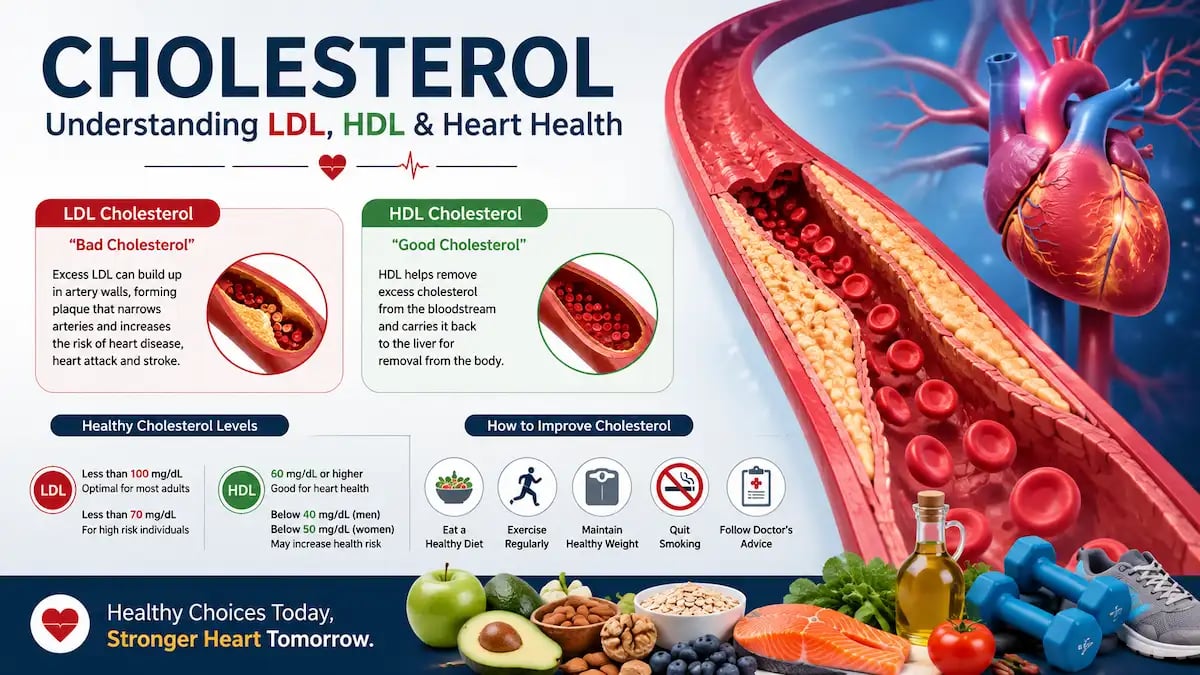
LDL cholesterol carries cholesterol from the liver to the body's cells. When there is too much LDL in the bloodstream, it can accumulate inside artery walls, forming fatty deposits known as plaque.
As plaque builds up, arteries become narrower and less flexible, making it harder for blood to circulate efficiently. This condition, known as atherosclerosis, increases the risk of serious cardiovascular complications, including:
Heart attack
Stroke
Peripheral artery disease
Coronary artery disease
Keeping LDL cholesterol within the recommended range is an important part of protecting long-term heart health.
HDL Cholesterol: The "Good" Cholesterol
HDL cholesterol performs a protective role by collecting excess cholesterol from the bloodstream and artery walls and transporting it back to the liver. The liver then processes and removes it from the body.
Because HDL helps clear excess cholesterol, higher HDL levels are generally linked to a healthier cardiovascular system and a lower risk of heart disease.
Why Monitoring Cholesterol Matters
A lipid profile, also known as a lipid panel, is the standard blood test used to measure cholesterol levels. This test typically includes:
Total cholesterol
LDL cholesterol
HDL cholesterol
Triglycerides
Routine cholesterol testing helps detect potential cardiovascular risks before symptoms appear. Adults should have their cholesterol checked as recommended by their healthcare provider, especially if they have:
A family history of heart disease
A history of smoking
An inactive lifestyle
Early detection allows timely lifestyle changes and, if needed, medical treatment.
Healthy Cholesterol Levels
Healthcare providers evaluate cholesterol results based on your age, medical history, and overall cardiovascular risk.
General cholesterol guidelines include:
LDL Cholesterol
Less than 100 mg/dL: Optimal for most adults
Less than 70 mg/dL: Often recommended for people at very high cardiovascular risk
HDL Cholesterol
60 mg/dL or higher: Considered protective for heart health
Below 40 mg/dL (men): Lower than recommended
Below 50 mg/dL (women): Lower than recommended
Your healthcare provider will interpret these values alongside other health factors to determine your ideal cholesterol goals.
How to Maintain Healthy Cholesterol
Improving cholesterol levels often begins with healthy daily habits. Small lifestyle changes can make a significant difference over time.
Follow a Heart-Healthy Diet
Choose foods that support healthy cholesterol, including:
Fruits and vegetables
Whole grains
Oats and legumes
Nuts and seeds
Fatty fish rich in omega-3 fatty acids
Olive oil and other healthy fats
Limit foods that contain large amounts of saturated fat, trans fat, and highly processed ingredients.
Stay Physically Active
Aim for at least 150 minutes of moderate exercise each week. Activities such as walking, cycling, swimming, or jogging can help improve cholesterol balance and support overall cardiovascular health.
Maintain a Healthy Weight
Achieving and maintaining a healthy body weight can positively affect cholesterol levels while reducing the risk of diabetes and heart disease.
Avoid Tobacco Products
Smoking damages blood vessels and lowers HDL cholesterol. Quitting smoking supports healthier cholesterol levels and improves heart function.
Take Medications When Recommended
Some people may require cholesterol-lowering medications, such as statins or other therapies, particularly if lifestyle changes alone are not enough. Always take medications exactly as prescribed by your healthcare provider.
Frequently Asked Questions About Cholesterol
Is cholesterol always harmful?
No. Cholesterol is essential for many important body functions, including hormone production, vitamin D synthesis, and cell membrane formation. Problems arise when cholesterol becomes unbalanced.
How often should cholesterol be checked?
Most healthy adults should have their cholesterol tested every four to six years. People with heart disease, diabetes, or other risk factors may need more frequent testing based on their doctor's advice.
Can diet improve cholesterol?
Yes. Eating a balanced diet rich in fiber, healthy fats, fruits, vegetables, and whole grains can help maintain healthier cholesterol levels when combined with regular exercise and other healthy lifestyle habits.
Conclusion
Cholesterol is an essential part of the body's normal functioning, but maintaining the right balance between LDL and HDL cholesterol is crucial for protecting heart health. Regular cholesterol screening, healthy eating, physical activity, weight management, and avoiding tobacco can all contribute to healthier cholesterol levels. By understanding how cholesterol works and partnering with your healthcare provider, you can make informed choices that support lifelong cardiovascular wellness.
MicroNews © 2025
MicroNews empowers the generation of tomorrow for a brighter future and hope for every individual.
Thanks For Touch with us
We care about your data in our privacy policy.
Popular Post
Top 10 Calcium-Rich Vegetables for Strong Bones & Better Health
Patala Garuda (Rauvolfia serpentina): Health Benefits, Ayurvedic Uses
Ganga Siuli (Parijata Tree): Benefits, Uses, and Medicinal Properties
Freelancing Explained: How to Start, Earn, and Succeed as a Freelancer
Turmeric Benefits: Uses, Nutrition, Ayurveda Importance & Side Effects
Science of Longevity: New Research Reveals How Diet May Shape Lifespan