
PCOS: Causes, Symptoms, Treatment, Diet & Management Guide for Women
Learn about PCOS (Polycystic Ovary Syndrome), including its causes, symptoms, diagnosis, treatment options, diet tips, fertility concerns, and effective management strategies.
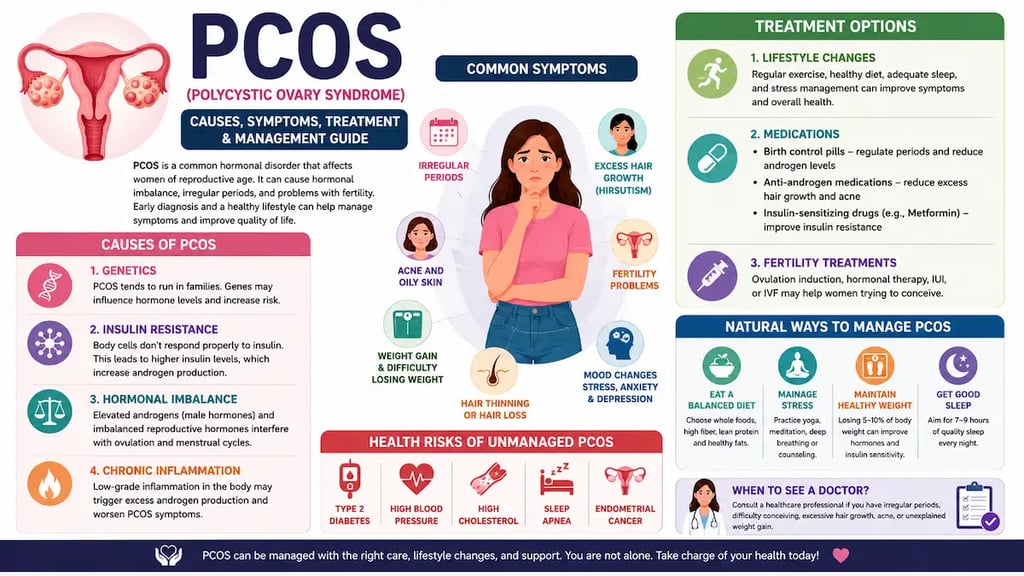
PCOS (Polycystic Ovary Syndrome): Causes, Symptoms, Treatment, and Management Guide
What Is PCOS?
Polycystic Ovary Syndrome (PCOS) is one of the most common hormonal disorders affecting women of reproductive age. It impacts millions of women worldwide and can significantly affect reproductive health, metabolism, and overall well-being.
PCOS occurs when the ovaries produce an abnormal amount of androgens, commonly known as male hormones. Although women naturally produce small amounts of androgens, elevated levels can interfere with ovulation and lead to a variety of symptoms, including irregular periods, weight gain, acne, and fertility issues.
While there is currently no permanent cure for PCOS, early diagnosis and proper management can help women lead healthy and fulfilling lives.
Understanding PCOS
In a healthy menstrual cycle, the ovaries release an egg every month during ovulation. In women with PCOS, hormonal imbalances may prevent ovulation from occurring regularly. As a result, small fluid-filled sacs called cysts may develop on the ovaries.
It's important to note that not all women with PCOS have ovarian cysts, and having ovarian cysts alone does not necessarily mean a woman has PCOS.
Causes of PCOS
The exact cause of PCOS remains unknown, but researchers believe several factors contribute to its development.
1. Genetic Factors
PCOS often runs in families. Women with a mother, sister, or close relative who has PCOS are at a higher risk of developing the condition.
Studies suggest that multiple genes may influence hormone production and insulin regulation, increasing susceptibility to PCOS.
2. Insulin Resistance
Many women with PCOS have insulin resistance, a condition where the body's cells do not respond properly to insulin.
As a result:
The body produces more insulin.
Excess insulin stimulates the ovaries to produce more androgens.
Increased androgen levels can disrupt ovulation.
Insulin resistance is also linked to obesity and an increased risk of Type 2 diabetes.
3. Hormonal Imbalances
Women with PCOS often experience:
Elevated androgen levels
Imbalanced luteinizing hormone (LH)
Lower progesterone levels
Irregular estrogen fluctuations
These hormonal changes interfere with normal ovulation and menstrual cycles.
4. Chronic Inflammation
Research indicates that low-grade inflammation may contribute to PCOS. Inflammation can stimulate the ovaries to produce more androgens, worsening symptoms.
Common Symptoms of PCOS
PCOS symptoms vary from woman to woman. Some may experience only mild symptoms, while others face multiple health challenges.
Irregular Menstrual Cycles
One of the most common signs of PCOS is irregular periods.
Women may experience:
Infrequent periods
Missed periods
Heavy menstrual bleeding
Prolonged menstrual cycles
Excess Hair Growth (Hirsutism)
High androgen levels can cause excessive hair growth on areas such as:
Face
Chin
Upper lip
Chest
Back
Abdomen
Acne and Oily Skin
Hormonal imbalances increase oil production, leading to:
Persistent acne
Oily skin
Frequent breakouts
Weight Gain
Many women with PCOS struggle with weight management.
Common issues include:
Increased abdominal fat
Difficulty losing weight
Slow metabolism
Hair Thinning
PCOS can cause hair loss or thinning on the scalp, similar to male-pattern baldness.
Fertility Problems
PCOS is one of the leading causes of infertility because irregular ovulation makes conception more difficult.
Dark Skin Patches
Some women develop dark, velvety skin patches known as acanthosis nigricans, often found around:
Neck
Armpits
Groin
Mood Changes
Hormonal fluctuations and stress associated with PCOS may contribute to:
Anxiety
Mood swings
Low self-esteem
Health Risks Associated with PCOS
If left unmanaged, PCOS can increase the risk of several long-term health conditions.
Type 2 Diabetes
Insulin resistance significantly raises the risk of developing diabetes.
High Blood Pressure
Women with PCOS are more likely to experience hypertension and cardiovascular problems.
High Cholesterol
PCOS may contribute to unhealthy cholesterol levels, increasing heart disease risk.
Sleep Apnea
Obesity and hormonal changes can increase the likelihood of sleep disorders.
Endometrial Cancer
Irregular periods can lead to thickening of the uterine lining, which may increase the risk of endometrial cancer over time.
How Is PCOS Diagnosed?
Doctors typically diagnose PCOS using a combination of:
Medical History
Your healthcare provider will review:
Menstrual patterns
Symptoms
Family history
Physical Examination
Doctors may check for:
Excess hair growth
Acne
Weight-related concerns
Blood Tests
Blood tests help evaluate hormone levels and identify insulin resistance.
Ultrasound
A pelvic ultrasound can detect enlarged ovaries and multiple small follicles.
Treatment Options for PCOS
Although PCOS cannot be cured completely, various treatments can help manage symptoms effectively.
Lifestyle Changes
Lifestyle modifications are often the first recommendation for women with PCOS.
Regular Exercise
Physical activity can:
Improve insulin sensitivity
Support weight loss
Regulate hormones
Enhance mood
Aim for at least 150 minutes of moderate exercise per week.
Healthy Diet
A balanced diet can significantly improve PCOS symptoms.
Focus on:
Whole grains
Lean proteins
Fruits and vegetables
Healthy fats
High-fiber foods
Limit:
Sugary beverages
Processed foods
Refined carbohydrates
Medications
Birth Control Pills
Oral contraceptives help:
Regulate periods
Reduce androgen levels
Improve acne
Anti-Androgen Medications
These medications reduce excessive hair growth and acne.
Insulin-Sensitizing Drugs
Medications such as metformin can improve insulin resistance and help regulate menstrual cycles.
Fertility Treatments
Women trying to conceive may benefit from:
Ovulation-inducing medications
Hormonal treatments
Intrauterine insemination (IUI)
In Vitro Fertilization (IVF)
Can PCOS Be Cured?
Currently, there is no permanent cure for PCOS. However, many women successfully control symptoms through proper lifestyle changes and medical treatment.
With consistent management, women can:
Regulate menstrual cycles
Improve fertility
Maintain a healthy weight
Reduce acne and excess hair growth
Lower long-term health risks
Natural Ways to Manage PCOS
Maintain a Healthy Weight
Even losing 5–10% of body weight can significantly improve symptoms.
Follow a Low-Glycemic Diet
Foods with a low glycemic index help stabilize blood sugar levels and improve insulin sensitivity.
Examples include:
Oats
Beans
Vegetables
Whole grains
Manage Stress
Stress can worsen hormonal imbalances.
Helpful techniques include:
Yoga
Meditation
Deep breathing exercises
Journaling
Counseling
Get Adequate Sleep
Quality sleep supports hormonal balance and metabolic health.
Aim for 7–9 hours of sleep each night.
When Should You See a Doctor?
Consult a healthcare professional if you experience:
Irregular periods
Difficulty getting pregnant
Excessive hair growth
Unexplained weight gain
Severe acne
Hair thinning
Early diagnosis can help prevent complications and improve treatment outcomes.
Conclusion
Polycystic Ovary Syndrome (PCOS) is a complex hormonal condition that affects many aspects of a woman's health, including menstrual cycles, fertility, metabolism, and emotional well-being. While there is no permanent cure for PCOS, proper treatment, healthy lifestyle habits, and ongoing medical care can effectively manage symptoms and improve quality of life.
If you suspect you may have PCOS, seeking professional medical advice is the first step toward achieving better hormonal balance and long-term health.
MicroNews © 2025
MicroNews empowers the generation of tomorrow for a brighter future and hope for every individual.
Thanks For Touch with us
We care about your data in our privacy policy.
Popular Post
Top 10 Calcium-Rich Vegetables for Strong Bones & Better Health
Patala Garuda (Rauvolfia serpentina): Health Benefits, Ayurvedic Uses
Ganga Siuli (Parijata Tree): Benefits, Uses, and Medicinal Properties
Freelancing Explained: How to Start, Earn, and Succeed as a Freelancer
Turmeric Benefits: Uses, Nutrition, Ayurveda Importance & Side Effects
Science of Longevity: New Research Reveals How Diet May Shape Lifespan