
Diabetes Management Guide: 10 Effective Tips to Control Blood Sugar
"Explore essential tips about diabetes management. Learn how to effectively control blood sugar levels and improve overall health with these expert insights."
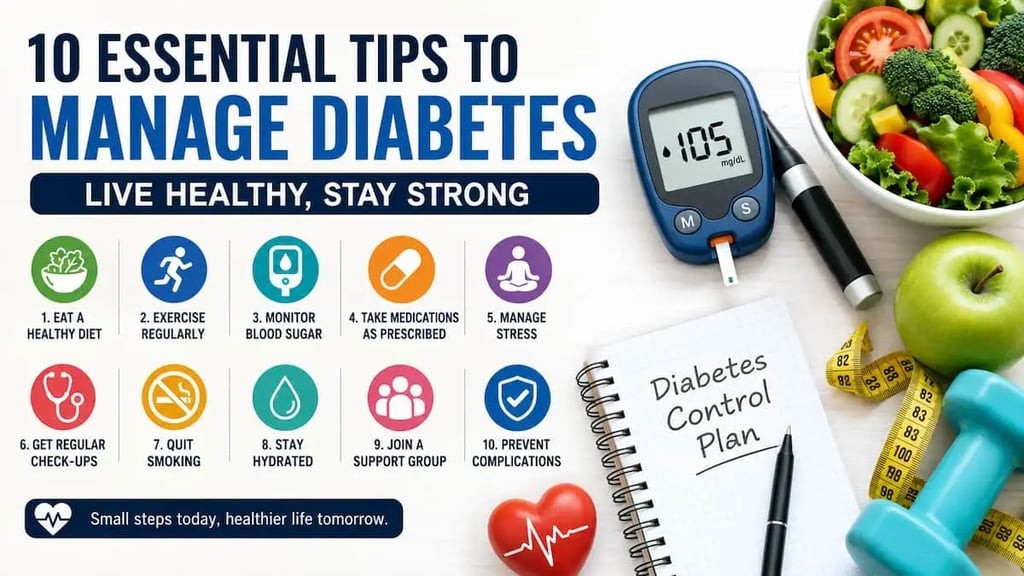
10 Essential Tips to Manage Diabetes and Fight All Types of Diabetes
Diabetes is one of the most common chronic health conditions affecting millions of people around the world. It occurs when the body cannot properly regulate blood sugar (glucose) levels due to problems with insulin production or insulin use. If left unmanaged, diabetes can lead to serious health complications such as heart disease, kidney damage, nerve problems, and vision loss.
The good news is that with the right lifestyle changes, medical care, and awareness, people with diabetes can live healthy and active lives. Whether you are dealing with Type 1 diabetes, Type 2 diabetes, or gestational diabetes, understanding the condition is the first step toward better health.
Here are 10 essential tips to help manage diabetes naturally and effectively.
What is Diabetes?
Diabetes is a metabolic disorder that affects how the body processes glucose. Insulin, a hormone produced by the pancreas, helps move sugar from the bloodstream into cells for energy. When the body does not produce enough insulin or cannot use it effectively, blood sugar levels rise.
There are three major types of diabetes:
Type 1 Diabetes
Type 1 diabetes is an autoimmune condition where the immune system attacks insulin-producing cells in the pancreas. People with Type 1 diabetes require daily insulin therapy.
Type 2 Diabetes
Type 2 diabetes is the most common form and is often linked to obesity, poor diet, lack of exercise, and genetics. In this condition, the body becomes resistant to insulin.
Gestational Diabetes
Gestational diabetes develops during pregnancy and usually disappears after childbirth. However, it increases the risk of developing Type 2 diabetes later in life.
1. Understand the Different Types of Diabetes
Knowledge is one of the most powerful tools in diabetes management. Understanding the causes, symptoms, and treatment options for each type of diabetes can help you make informed health decisions.
Common symptoms of diabetes include:
Frequent urination
Excessive thirst
Fatigue
Blurred vision
Slow wound healing
Unexplained weight changes
Early diagnosis and proper management can help prevent serious complications.
2. Follow a Healthy and Balanced Diet
A nutritious diet plays a major role in controlling blood sugar levels. People with diabetes should focus on eating foods that provide steady energy and improve insulin sensitivity.
Best Foods for Diabetes Management
Fresh fruits and vegetables
Whole grains
Lean proteins
Nuts and seeds
Low-fat dairy products
Healthy fats like olive oil and avocado
Foods to Limit
Sugary drinks
Processed snacks
White bread and refined carbohydrates
Deep-fried foods
Excess sweets and desserts
Eating smaller, balanced meals throughout the day can also help maintain stable blood sugar levels.
3. Exercise Regularly
Regular physical activity helps the body use insulin more effectively and lowers blood sugar levels naturally. Exercise also supports weight management and improves heart health.
Experts recommend at least 150 minutes of moderate exercise per week.
Best Exercises for People with Diabetes
Brisk walking
Cycling
Yoga
Strength training
Dancing
Even simple activities like climbing stairs or taking short walks after meals can make a difference.
4. Monitor Your Blood Sugar Levels
Checking blood sugar levels regularly helps you understand how food, exercise, stress, and medication affect your body.
Blood glucose monitoring can help:
Prevent dangerous sugar spikes
Avoid low blood sugar episodes
Improve treatment decisions
Reduce long-term complications
Your healthcare provider can guide you on your ideal blood sugar target range and testing schedule.
5. Take Medications as Prescribed
Many people with diabetes require medications or insulin therapy to keep blood sugar under control. Skipping doses or changing medications without medical advice can be dangerous.
Common diabetes treatments include:
Insulin injections
Oral diabetes medications
Continuous glucose monitoring devices
Insulin pumps
Always follow your doctor’s instructions regarding dosage and timing.
6. Manage Stress Effectively
Stress can directly impact blood sugar levels by triggering hormonal changes in the body. Chronic stress may also lead to unhealthy eating habits and poor sleep.
Healthy Ways to Reduce Stress
Meditation
Deep breathing exercises
Listening to music
Spending time with family
Practicing yoga
Engaging in hobbies
Mental health is an important part of diabetes care.
7. Schedule Regular Medical Check-Ups
Routine health check-ups are essential for detecting diabetes-related complications early.
People with diabetes should regularly monitor:
Blood pressure
Cholesterol levels
Kidney function
Eye health
Foot health
HbA1c levels
Regular visits to your doctor can help keep your treatment plan updated and effective.
8. Quit Smoking and Limit Alcohol
Smoking significantly increases the risk of diabetes complications, including heart disease and poor circulation. Alcohol can also affect blood sugar levels unpredictably.
Benefits of quitting smoking include:
Better blood circulation
Improved lung health
Reduced heart disease risk
Better diabetes control
If you smoke, seek professional support to quit successfully.
9. Stay Hydrated
Drinking enough water helps maintain healthy blood sugar levels and prevents dehydration. High blood sugar can cause the body to lose more fluids through urination.
Tips to Stay Hydrated
Drink at least 8 glasses of water daily
Avoid sugary soft drinks
Carry a water bottle when traveling
Increase fluid intake during hot weather or exercise
Proper hydration supports overall health and energy levels.
10. Join a Diabetes Support Group
Living with diabetes can sometimes feel overwhelming. Joining a diabetes support group can provide emotional encouragement, practical advice, and motivation.
Support groups can help you:
Share experiences
Learn healthy coping strategies
Stay motivated
Discover new diabetes management tips
Both online communities and local support groups can be valuable resources.
Tips to Prevent Diabetes Naturally
Although Type 1 diabetes cannot currently be prevented, many cases of Type 2 diabetes can be delayed or avoided through healthy lifestyle habits.
Diabetes Prevention Tips
Maintain a healthy weight
Eat a balanced diet
Stay physically active
Avoid sugary beverages
Sleep well
Reduce stress levels
Get regular health screenings
Small daily changes can have a major long-term impact.
Final Thoughts
Managing diabetes is a lifelong commitment, but it does not have to limit your quality of life. With healthy eating, regular exercise, proper medication, stress management, and routine medical care, people with diabetes can lead active and fulfilling lives.
Understanding your condition and making positive lifestyle choices are the keys to fighting all types of diabetes effectively. Always work closely with your healthcare provider to create a personalized diabetes management plan that suits your needs.
MicroNews © 2025
MicroNews empowers the generation of tomorrow for a brighter future and hope for every individual.
Thanks For Touch with us
We care about your data in our privacy policy.
Popular Post
Top 10 Calcium-Rich Vegetables for Strong Bones & Better Health
Patala Garuda (Rauvolfia serpentina): Health Benefits, Ayurvedic Uses
Ganga Siuli (Parijata Tree): Benefits, Uses, and Medicinal Properties
Freelancing Explained: How to Start, Earn, and Succeed as a Freelancer
Turmeric Benefits: Uses, Nutrition, Ayurveda Importance & Side Effects
Science of Longevity: New Research Reveals How Diet May Shape Lifespan