
Pancreas Infection: Causes, Symptoms, Risk Factors, Treatment, and Prevention
What Is the Pancreas?
The pancreas is an essential organ located behind the stomach that plays a vital role in digestion and blood sugar control. It produces digestive enzymes that help break down food and releases important hormones, including insulin and glucagon, which regulate blood sugar levels.
A healthy pancreas is crucial for maintaining proper digestion, metabolism, and overall well-being.
What Is a Pancreatic Infection?
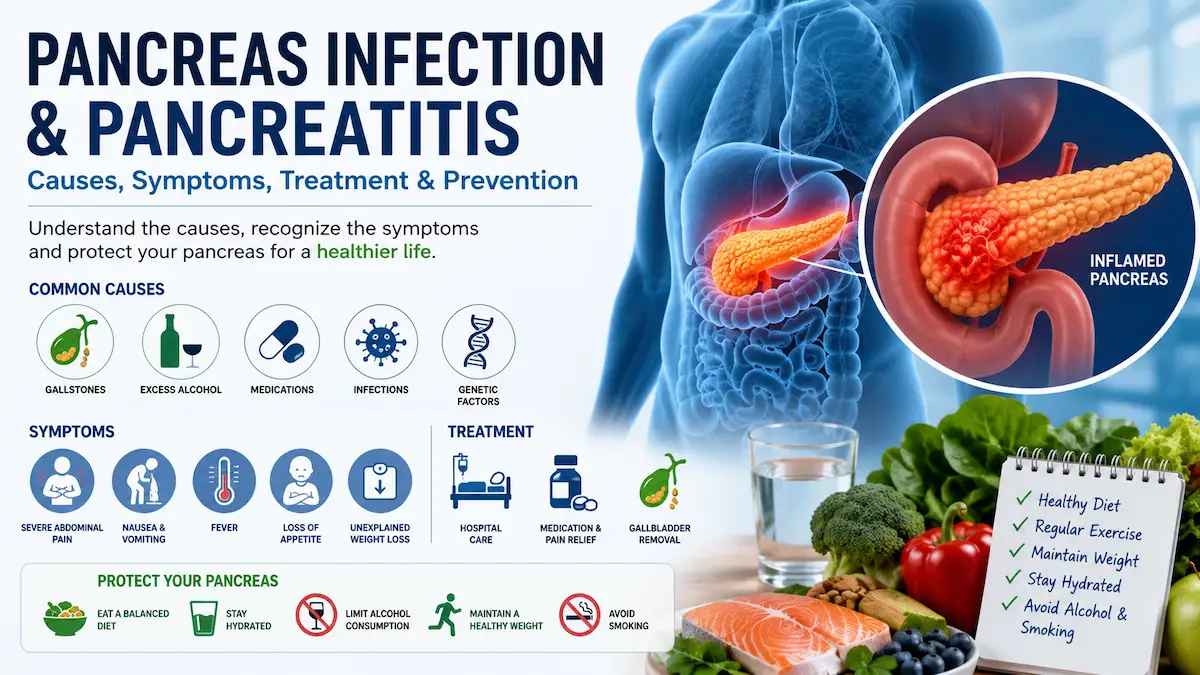
Pancreatic infections are relatively uncommon but can occur when the pancreas becomes inflamed or damaged. The most common pancreatic condition is pancreatitis, which refers to inflammation of the pancreas.
Pancreatitis can range from mild to severe and may require immediate medical attention in serious cases.
Causes of Pancreatitis and Pancreatic Infections
Several factors can trigger inflammation or infection of the pancreas.
1. Gallstones
Gallstones are one of the leading causes of pancreatitis. They can block the pancreatic duct, preventing digestive enzymes from flowing properly and causing inflammation.
2. Excessive Alcohol Consumption
Heavy alcohol use can damage pancreatic tissue and significantly increase the risk of acute and chronic pancreatitis.
3. Certain Medications
Some medications may trigger pancreatic inflammation as a side effect.
4. Infections
Viral, bacterial, or other infections can occasionally affect the pancreas and lead to inflammation.
5. Metabolic Disorders
Conditions such as high triglyceride levels or elevated calcium levels can contribute to pancreatic problems.
6. Genetic Factors
Certain inherited conditions and genetic mutations can increase susceptibility to pancreatic diseases.
7. Other Medical Conditions
Diseases such as cystic fibrosis, autoimmune disorders, and pancreatic tumors may also affect pancreatic health.
Symptoms of Pancreatitis
The symptoms of pancreatitis can vary depending on the severity of the condition.
Common symptoms include:
Severe upper abdominal pain
Pain that radiates to the back
Nausea and vomiting
Fever
Abdominal tenderness
Loss of appetite
Bloating and indigestion
Rapid heartbeat
Unexplained weight loss
Seek immediate medical attention if severe abdominal pain develops suddenly.
Risk Factors for Pancreatic Disease
Several factors can increase the risk of pancreatitis and pancreatic infections.
Gallstones
People with a history of gallstones are at higher risk because blocked ducts can trigger inflammation.
Excessive Alcohol Use
Long-term heavy alcohol consumption remains one of the most common risk factors.
Obesity
Being overweight increases the likelihood of gallstones and pancreatic inflammation.
Smoking
Smoking has been linked to various pancreatic disorders and can worsen existing conditions.
Family History
Individuals with a family history of pancreatic disease may have a higher risk.
Chronic Health Conditions
Metabolic disorders, diabetes, and autoimmune diseases can contribute to pancreatic complications.
Treatment for Pancreatitis
Treatment depends on the cause and severity of the condition.
Hospital Care
Moderate to severe pancreatitis often requires hospitalization for:
Intravenous fluids
Pain management
Nutritional support
Monitoring for complications
Medications
Doctors may prescribe medications to control pain, inflammation, and associated symptoms.
Gallstone Removal
If gallstones are causing the condition, gallbladder surgery may be recommended to prevent future episodes.
Treatment of Underlying Causes
Managing high triglycerides, infections, or other medical conditions can help prevent recurrence.
Can the Pancreas Be Removed?
Pancreas removal, known as pancreatectomy, is a major surgical procedure and is generally considered only in severe cases involving:
Pancreatic cancer
Severe chronic pancreatitis
Extensive pancreatic damage
Certain rare pancreatic disorders
Because the pancreas performs critical digestive and hormonal functions, complete removal is uncommon.
Life After Pancreas Removal
Individuals who undergo total pancreas removal typically require lifelong treatment, including:
Insulin therapy for blood sugar control
Pancreatic enzyme replacement supplements
Careful dietary management
Regular medical monitoring
How to Protect Your Pancreas Naturally
Adopting healthy lifestyle habits can help support pancreatic health and reduce the risk of pancreatitis.
Eat a Balanced Diet
Focus on:
Fresh fruits and vegetables
Whole grains
Lean proteins
Healthy fats
Limit:
Fried foods
Processed foods
Excessive sugar
High-fat meals
Stay Hydrated
Drinking enough water helps support digestion and overall organ function.
Limit Alcohol Consumption
Avoiding excessive alcohol intake significantly lowers the risk of pancreatic inflammation.
Maintain a Healthy Weight
Regular physical activity and healthy eating can reduce strain on the pancreas.
Avoid Smoking
Quitting smoking can improve pancreatic health and lower the risk of complications.
Manage Existing Health Conditions
Proper management of diabetes, high cholesterol, and metabolic disorders can protect pancreatic function.
Possible Complications of Severe Pancreatitis
If left untreated, severe pancreatitis may lead to:
Pancreatic infection
Fluid accumulation
Pancreatic cysts
Malnutrition
Kidney failure
Breathing difficulties
Multiple organ failure
Early treatment significantly reduces the risk of these complications.
When to See a Doctor
Consult a healthcare professional immediately if you experience:
Severe abdominal pain
Persistent vomiting
High fever
Difficulty eating or drinking
Sudden unexplained weight loss
Yellowing of the skin or eyes (jaundice)
Prompt diagnosis and treatment can prevent serious complications.
Conclusion
The pancreas is a vital organ responsible for digestion and blood sugar regulation. Conditions such as pancreatitis and pancreatic infections can range from mild to life-threatening if left untreated. Maintaining a healthy lifestyle, avoiding excessive alcohol consumption, staying hydrated, and managing underlying medical conditions can significantly reduce the risk of pancreatic disease. Early diagnosis and proper treatment remain the best ways to protect long-term pancreatic health.