
Pneumonia: Causes, Symptoms, Risk Factors, Prevention & Treatment
Learn about pneumonia, including its causes, symptoms, risk factors, prevention tips, treatment options, and natural ways to support lung health and immunity.
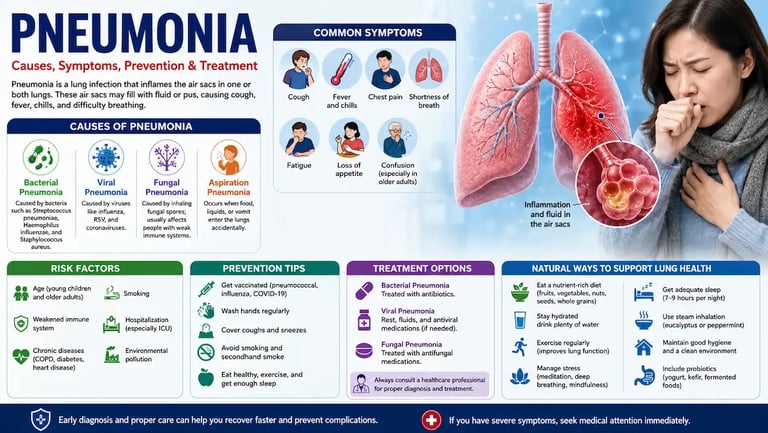
Pneumonia: Causes, Symptoms, Risk Factors, Prevention, Treatment, and Natural Ways to Boost Lung Health
What Is Pneumonia?
Pneumonia is a serious lung infection that causes inflammation in the air sacs (alveoli) of one or both lungs. These air sacs may fill with fluid or pus, making breathing difficult and reducing the amount of oxygen that reaches the bloodstream.
Pneumonia can affect people of all ages, but it is particularly dangerous for infants, older adults, and individuals with weakened immune systems. The condition may be caused by bacteria, viruses, fungi, or the inhalation of foreign substances into the lungs.
Common Symptoms of Pneumonia
The symptoms of pneumonia can range from mild to severe depending on the cause and the individual's overall health.
Common Signs and Symptoms Include:
Persistent cough, often producing mucus
Fever and chills
Shortness of breath
Chest pain that worsens when breathing or coughing
Fatigue and weakness
Rapid breathing
Loss of appetite
Confusion, especially in older adults
If symptoms become severe or breathing becomes difficult, immediate medical attention is recommended.
Causes of Pneumonia
Pneumonia occurs when harmful microorganisms enter the lungs and trigger inflammation and infection.
1. Bacterial Pneumonia
Bacterial pneumonia is one of the most common forms of pneumonia. It is frequently caused by bacteria such as:
Streptococcus pneumoniae
Haemophilus influenzae
Staphylococcus aureus
These bacteria can infect the lungs when the body's natural defenses are weakened.
2. Viral Pneumonia
Several viruses can cause pneumonia, including:
Influenza (flu) virus
Respiratory Syncytial Virus (RSV)
Coronaviruses
Viral pneumonia is more common among children and older adults. Symptoms are often milder than bacterial pneumonia but can become severe in vulnerable individuals.
3. Fungal Pneumonia
Fungal pneumonia is less common and usually affects people with weakened immune systems. It develops after inhaling fungal spores found in soil, bird droppings, or contaminated environments.
4. Aspiration Pneumonia
Aspiration pneumonia occurs when food, liquid, saliva, or stomach contents accidentally enter the lungs. This can lead to infection and inflammation, especially in people with swallowing difficulties.
Risk Factors for Pneumonia
Certain factors increase the likelihood of developing pneumonia.
Age
Children under 5 years
Adults over 65 years
Weakened Immune System
People with conditions such as:
HIV/AIDS
Cancer
Organ transplant history
Autoimmune disorders
are at greater risk.
Chronic Health Conditions
The risk is higher in individuals with:
Chronic Obstructive Pulmonary Disease (COPD)
Heart disease
Diabetes
Kidney disease
Smoking
Smoking damages lung tissues and weakens the body's defense mechanisms, making infections more likely.
Hospitalization
Hospital-acquired pneumonia can occur in patients who spend extended periods in hospitals, especially intensive care units (ICUs).
Environmental Pollution
Exposure to toxic fumes, dust, chemicals, and air pollution can increase the risk of respiratory infections.
How to Prevent Pneumonia
Although pneumonia cannot always be prevented, certain precautions can significantly reduce the risk.
Get Vaccinated
Vaccination is one of the most effective ways to prevent pneumonia.
Recommended vaccines include:
Pneumococcal vaccine
Influenza (flu) vaccine
COVID-19 vaccine when recommended
Practice Good Hand Hygiene
Wash hands frequently with soap and water.
Use hand sanitizer when soap is unavailable.
Maintain Respiratory Hygiene
Cover your mouth and nose while coughing or sneezing.
Dispose of used tissues properly.
Avoid Smoking
Quitting smoking improves lung function and reduces the risk of respiratory infections.
Follow a Healthy Lifestyle
A healthy lifestyle strengthens the immune system and helps protect against infections.
Eat a balanced diet
Exercise regularly
Get sufficient sleep
Maintain a healthy weight
Manage Existing Health Conditions
Proper management of chronic illnesses can lower the chances of developing pneumonia-related complications.
Treatment Options for Pneumonia
Treatment depends on the underlying cause of the infection.
Treatment for Bacterial Pneumonia
Doctors typically prescribe antibiotics to eliminate bacterial infections. It is important to complete the full course of medication even if symptoms improve.
Treatment for Viral Pneumonia
Most cases require:
Rest
Adequate fluid intake
Fever management
In some cases, antiviral medications may be prescribed.
Treatment for Fungal Pneumonia
Antifungal medications are used to treat fungal infections of the lungs. The specific treatment depends on the type of fungus involved.
Important Note
Never self-medicate. Always consult a healthcare professional for proper diagnosis and treatment.
Natural Ways to Support Respiratory Health and Boost Immunity
While natural remedies cannot replace medical treatment, they may help strengthen the immune system and support healthy lung function.
1. Eat a Nutrient-Rich Diet
Include foods rich in:
Vitamin C
Oranges
Lemons
Kiwi
Bell peppers
Vitamin A
Carrots
Sweet potatoes
Spinach
Vitamin E
Almonds
Sunflower seeds
Peanuts
Zinc and Selenium
Nuts
Beans
Whole grains
Brazil nuts
2. Stay Hydrated
Drinking enough water helps keep respiratory passages moist and supports overall immune function.
3. Exercise Regularly
Moderate physical activity can improve lung capacity and circulation.
Recommended activities include:
Walking
Cycling
Yoga
4. Get Quality Sleep
Adults should aim for 7–9 hours of sleep per night to support immune health and recovery.
5. Reduce Stress
Chronic stress can weaken the immune system. Helpful techniques include:
Meditation
Deep breathing exercises
Mindfulness practices
Relaxation techniques
6. Avoid Tobacco Smoke
Both active smoking and secondhand smoke can damage the lungs and increase infection risk.
7. Follow Good Hygiene Practices
Wash hands regularly.
Avoid close contact with sick individuals.
Clean frequently touched surfaces.
8. Consider Natural Support Options
Some people use natural remedies such as:
Garlic
Echinacea
Astragalus
Herbal teas
Consult a healthcare provider before taking supplements, especially if you have existing medical conditions.
9. Try Steam Inhalation
Steam inhalation may help relieve nasal and respiratory congestion. Some individuals add eucalyptus or peppermint oil for additional comfort.
10. Maintain a Clean Environment
Reduce exposure to:
Dust
Mold
Indoor pollutants
Chemical irritants
Ensure proper ventilation at home and work.
11. Include Probiotic Foods
Foods rich in probiotics can support gut health and immune function.
Examples include:
Kefir
Fermented foods
Conclusion
Pneumonia is a potentially serious respiratory infection that can affect people of all ages. Understanding its causes, symptoms, risk factors, and treatment options is essential for early diagnosis and effective management. Vaccination, healthy lifestyle habits, good hygiene, and proper medical care remain the best strategies for preventing pneumonia and protecting lung health.
If you experience persistent cough, fever, chest pain, or difficulty breathing, seek medical attention promptly for proper evaluation and treatment.
Related Stories
MicroNews © 2025
MicroNews empowers the generation of tomorrow for a brighter future and hope for every individual.
Thanks For Touch with us
We care about your data in our privacy policy.
Popular Post
Top 10 Calcium-Rich Vegetables for Strong Bones & Better Health
Patala Garuda (Rauvolfia serpentina): Health Benefits, Ayurvedic Uses
Ganga Siuli (Parijata Tree): Benefits, Uses, and Medicinal Properties
Freelancing Explained: How to Start, Earn, and Succeed as a Freelancer
Turmeric Benefits: Uses, Nutrition, Ayurveda Importance & Side Effects
Science of Longevity: New Research Reveals How Diet May Shape Lifespan