
Syphilis: Early Symptoms, Stages, Treatment & How to Prevent It
Know the early signs of syphilis, how it spreads, treatment options, and prevention tips. Get tested early to avoid serious long-term health risks. #STI#Treponema pallidum
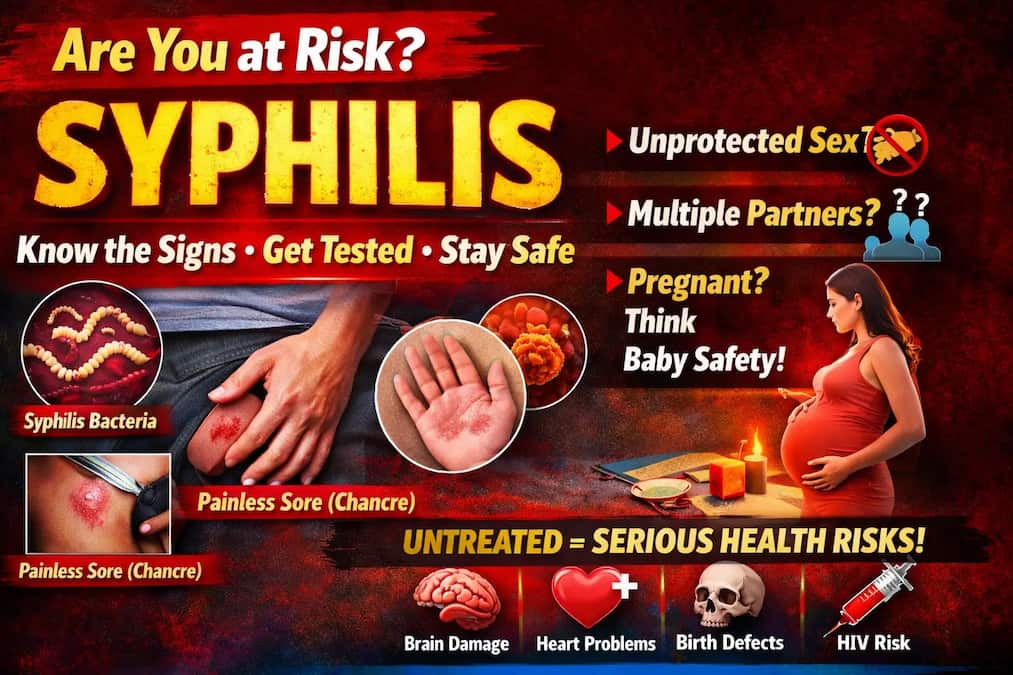
Syphilis: Causes, Symptoms, Treatment & Prevention (Complete Guide)
Syphilis is a serious but treatable sexually transmitted infection (STI). If detected early, it can be cured easily with antibiotics. However, untreated syphilis can lead to severe complications affecting the brain, heart, and other organs.
What Is Syphilis?
Syphilis is a sexually transmitted infection caused by the bacterium Treponema pallidum. This spiral-shaped bacterium can easily enter the body through small cuts or mucous membranes during sexual contact.
Without treatment, syphilis progresses through multiple stages, each with different symptoms and health risks.
Causes of Syphilis
The primary cause of syphilis is infection with Treponema pallidum. The bacteria are highly mobile and penetrate:
Genital tissues
Rectal lining
Oral mucosa
Small skin abrasions
Once inside the body, the bacteria spread through the bloodstream and lymphatic system.
How Is Syphilis Transmitted?
Understanding syphilis transmission is crucial for prevention.
1. Sexual Contact (Most Common)
Syphilis spreads through:
Vaginal sex
Anal sex
Oral sex
Direct contact with a syphilitic sore (chancre) can transmit the infection—even if the sore is not visible.
2. Mother-to-Child Transmission (Congenital Syphilis)
A pregnant woman with untreated syphilis can pass the infection to her baby through the placenta or during childbirth. This condition is called congenital syphilis, which may cause:
Miscarriage
Stillbirth
Premature birth
Severe newborn complications
3. Blood Transfusion (Rare)
Although modern blood screening has made it extremely rare, syphilis can be transmitted through contaminated blood transfusions.
Risk Factors for Syphilis
Certain behaviors increase the risk of infection:
Unprotected sexual intercourse
Multiple sexual partners
Having another STI (like HIV)
Men who have sex with men (MSM)
Lack of regular STI screening
Regular testing significantly reduces complications and transmission.
Stages and Symptoms of Syphilis
Syphilis develops in four stages: primary, secondary, latent, and tertiary.
1. Primary Syphilis
Main symptom: A painless sore called a chancre.
Appears at infection site (genitals, mouth, rectum)
Usually single but may be multiple
Heals within 3–6 weeks without treatment
⚠️ Important: Healing does NOT mean the infection is gone.
2. Secondary Syphilis
Symptoms become more noticeable and widespread:
Skin rash (especially palms and soles)
Swollen lymph nodes
Sore throat
Patchy hair loss
Headache
Muscle aches
These symptoms may disappear without treatment, but the bacteria remain in the body.
3. Latent Syphilis
No visible symptoms
Infection remains dormant
Can last for years
Even without symptoms, the bacteria continue damaging internal organs.
4. Tertiary (Late) Syphilis
This stage can occur years after initial infection.
Serious complications include:
Brain damage (neurosyphilis)
Stroke
Loss of coordination
Heart and blood vessel damage
Late-stage syphilis can be life-threatening and sometimes irreversible.
Syphilis Treatment Options
The good news: Syphilis is curable, especially in early stages.
1. Penicillin (First-Line Treatment)
The most effective treatment is benzathine penicillin G:
Early-stage: Single injection
Late-stage: Three weekly injections
Neurosyphilis: Intravenous penicillin therapy
2. Alternative Antibiotics
For people allergic to penicillin:
Doxycycline
Tetracycline
However, penicillin remains the preferred treatment.
Possible Treatment Side Effects
Some patients experience the Jarisch–Herxheimer reaction, which may cause:
Fever
Chills
Headache
Muscle pain
This reaction usually resolves within 24 hours.
How to Prevent Syphilis
Prevention is always better than cure.
1. Practice Safe Sex
Use condoms consistently and correctly
Limit number of sexual partners
2. Regular STI Screening
High-risk individuals should test regularly—even without symptoms.
3. Early Treatment
Prompt treatment prevents complications and transmission.
4. Partner Notification
Informing sexual partners helps break the chain of infection.
5. Prenatal Screening
All pregnant women should undergo syphilis testing to prevent congenital infection.
Why Early Detection Matters
Untreated syphilis can:
Damage vital organs
Increase HIV risk
Lead to pregnancy complications
Spread silently to others
Routine screening and awareness can dramatically reduce infection rates.
Final Thoughts
Syphilis remains a significant global health concern, but it is preventable and treatable. Awareness, safe sexual practices, and routine screening are key to controlling its spread.
If you suspect symptoms or belong to a high-risk group, consult a healthcare provider immediately for testing and treatment.
MicroNews © 2025
MicroNews empowers the generation of tomorrow for a brighter future and hope for every individual.
Thanks For Touch with us
We care about your data in our privacy policy.
Popular Post
Top 10 Calcium-Rich Vegetables for Strong Bones & Better Health
Patala Garuda (Rauvolfia serpentina): Health Benefits, Ayurvedic Uses
Ganga Siuli (Parijata Tree): Benefits, Uses, and Medicinal Properties
Freelancing Explained: How to Start, Earn, and Succeed as a Freelancer
Turmeric Benefits: Uses, Nutrition, Ayurveda Importance & Side Effects
Science of Longevity: New Research Reveals How Diet May Shape Lifespan