
Thalassemia: Causes, Symptoms, Types, Diagnosis & Treatment
Learn about thalassemia, its causes, symptoms, types, diagnosis, treatment options, complications, and prevention. Understand how this inherited blood disorder is managed.
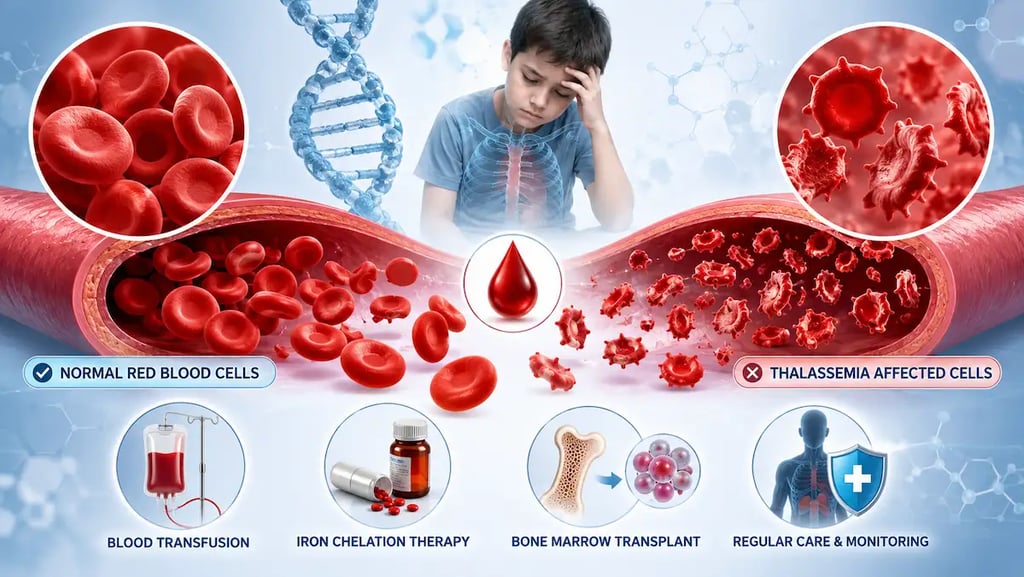
Thalassemia: Causes, Symptoms, Types, Diagnosis, and Treatment
Thalassemia is an inherited blood disorder that affects the body's ability to produce healthy hemoglobin, the protein in red blood cells responsible for carrying oxygen throughout the body. When hemoglobin production is disrupted, red blood cells are destroyed more quickly than normal, leading to anemia and other health complications.
Although thalassemia is a lifelong condition, early diagnosis and proper treatment can help people live healthy and productive lives. In this article, you'll learn about the causes, symptoms, types, diagnosis, treatment options, and prevention of thalassemia.
What Is Thalassemia?
Thalassemia is a genetic disorder caused by mutations in the genes responsible for making hemoglobin. Since it is inherited, a child develops thalassemia only if they inherit the faulty gene from one or both parents.
The disease is more common in people of Mediterranean, Middle Eastern, African, South Asian, and Southeast Asian descent, but it can affect individuals of any ethnicity.
Causes of Thalassemia
Thalassemia occurs due to inherited mutations in the genes that produce hemoglobin. Healthy hemoglobin consists of alpha and beta protein chains. A defect in either chain leads to different forms of thalassemia.
The main causes include:
Inheriting defective hemoglobin genes from one or both parents.
Genetic mutations affecting the production of alpha or beta globin chains.
Family history of thalassemia significantly increases the risk.
Because thalassemia is inherited, it cannot be prevented after birth. However, genetic testing and counseling can help identify carriers before planning a family.
Types of Thalassemia
Alpha Thalassemia
Alpha thalassemia develops when one or more of the four alpha-globin genes are missing or mutated. The severity depends on how many genes are affected.
One gene affected: Silent carrier with no symptoms.
Two genes affected: Alpha thalassemia trait with mild anemia.
Three genes affected: Hemoglobin H disease, causing moderate to severe anemia.
Four genes affected: Alpha thalassemia major, a life-threatening condition usually diagnosed before or shortly after birth.
Beta Thalassemia
Beta thalassemia occurs when mutations affect the beta-globin genes.
The major forms include:
Beta Thalassemia Minor (Trait): Usually causes mild or no symptoms.
Beta Thalassemia Intermedia: Causes moderate anemia and may require occasional treatment.
Beta Thalassemia Major (Cooley's Anemia): A severe form that often requires lifelong blood transfusions.
Symptoms of Thalassemia
Symptoms vary depending on the severity of the condition. Mild cases may not produce noticeable symptoms, while severe forms can cause serious health problems.
Common symptoms include:
Persistent fatigue and weakness
Pale or yellowish skin (jaundice)
Shortness of breath
Slow growth and delayed development in children
Poor appetite
Enlarged spleen or liver
Bone deformities, especially in the face
Dark-colored urine
Frequent infections
Irregular heartbeat in severe cases
Symptoms may not appear immediately after birth but often become noticeable during infancy or early childhood.
How Is Thalassemia Diagnosed?
Doctors use several tests to diagnose thalassemia, including:
Complete Blood Count (CBC)
Blood smear examination
Hemoglobin electrophoresis
Genetic testing
Iron studies to rule out iron-deficiency anemia
Prenatal testing for high-risk pregnancies
Early diagnosis allows timely treatment and reduces the risk of complications.
Treatment Options for Thalassemia
There is currently no universal cure for thalassemia, but several treatments can effectively manage the condition.
1. Regular Blood Transfusions
People with moderate to severe thalassemia often require regular blood transfusions to maintain healthy red blood cell levels and reduce anemia.
2. Iron Chelation Therapy
Frequent blood transfusions can lead to excess iron buildup in the body, which may damage the heart, liver, and other organs. Iron chelation medicines help remove the extra iron.
3. Folic Acid Supplements
Folic acid supports healthy red blood cell production and may be recommended by healthcare providers.
4. Bone Marrow or Stem Cell Transplant
A stem cell transplant from a compatible donor offers the best chance for a long-term cure, particularly in children with severe thalassemia. However, it carries significant risks and is not suitable for everyone.
5. Gene Therapy
Recent advances in gene therapy have shown promising results for some patients with beta thalassemia. This treatment aims to correct the underlying genetic defect and may reduce or eliminate the need for regular blood transfusions in eligible individuals.
Possible Complications
Without proper treatment, thalassemia can lead to several serious complications, including:
Severe anemia
Iron overload
Heart disease
Liver damage
Osteoporosis
Delayed puberty
Growth problems
Increased risk of infections
Regular medical follow-up helps reduce these risks.
Can Thalassemia Be Prevented?
Since thalassemia is inherited, it cannot be completely prevented. However, the following measures can reduce the risk of passing it to future generations:
Genetic carrier screening before marriage or pregnancy
Prenatal genetic testing
Genetic counseling for couples with a family history of thalassemia
These steps help families make informed reproductive decisions.
Living with Thalassemia
Many people with thalassemia lead active and fulfilling lives by following their treatment plan and maintaining regular medical care. A healthy diet, appropriate vaccinations, routine check-ups, and avoiding unnecessary iron supplements (unless prescribed) are essential parts of long-term management.
Conclusion
Thalassemia is a lifelong genetic blood disorder that affects hemoglobin production and can range from mild to severe. Early diagnosis, regular monitoring, blood transfusions, iron chelation therapy, and, in some cases, stem cell transplantation or gene therapy can significantly improve quality of life. If you have a family history of thalassemia or are planning a pregnancy, genetic counseling and screening can help assess your risk and support informed healthcare decisions.
FAQ (SEO Optimized)
What is thalassemia?
Thalassemia is an inherited blood disorder that reduces the body's ability to produce healthy hemoglobin, leading to anemia and reduced oxygen delivery throughout the body.
What are the early symptoms of thalassemia?
Early symptoms include fatigue, weakness, pale skin, delayed growth in children, jaundice, and shortness of breath. Mild cases may have few or no symptoms.
Is thalassemia curable?
Most forms of thalassemia cannot be completely cured. However, treatments such as blood transfusions, iron chelation therapy, and stem cell transplantation can effectively manage the condition. Some patients may also benefit from newer gene therapy approaches.
Can thalassemia be prevented?
Since thalassemia is inherited, it cannot be prevented after conception. Genetic counseling and carrier screening before pregnancy can help couples understand their risk.
What foods should people with thalassemia eat?
A balanced diet rich in fruits, vegetables, whole grains, lean protein, and folic acid is recommended. Iron supplements should only be taken if prescribed by a healthcare professional.
Who is at higher risk of developing thalassemia?
People with a family history of thalassemia or those of Mediterranean, Middle Eastern, African, South Asian, or Southeast Asian ancestry have a higher risk of inheriting the condition.
Is thalassemia life-threatening?
Severe forms, such as beta thalassemia major, can be life-threatening without proper treatment. With modern medical care, many people with thalassemia live long and active lives.
MicroNews © 2025
MicroNews empowers the generation of tomorrow for a brighter future and hope for every individual.
Thanks For Touch with us
We care about your data in our privacy policy.
Popular Post
Top 10 Calcium-Rich Vegetables for Strong Bones & Better Health
Patala Garuda (Rauvolfia serpentina): Health Benefits, Ayurvedic Uses
Ganga Siuli (Parijata Tree): Benefits, Uses, and Medicinal Properties
Freelancing Explained: How to Start, Earn, and Succeed as a Freelancer
Turmeric Benefits: Uses, Nutrition, Ayurveda Importance & Side Effects
Science of Longevity: New Research Reveals How Diet May Shape Lifespan